
Technology·News & analysis
Phone shipments just had their worst third quarter since 2012, and memory chips are why
Counterpoint Research says global smartphone shipments fell 20% in the third quarter as the memory chip shortage squeezed supply, while Samsung and Apple grabbed a bigger slice of a smaller pie.
Tide
Wave
Sci-fi
2/10
Reality
In your hands
Fewer phones on the shelves, and the ones left cost more.How we rate
Counterpoint Research estimates global smartphone shipments fell 20% in the third quarter of 2026, the weakest third quarter since 2012.
Rising memory chip prices squeezed supply and pushed retail phone prices up 20% this year. Samsung and Apple still grew their shares to 23% and 22%, while Xiaomi, OPPO and vivo fell hard. Counterpoint expects no real recovery until memory costs and supply improve.
What to know
- Counterpoint Research estimates global smartphone shipments fell 20% year over year in Q3 2026, the weakest third quarter since 2012.
- Samsung led with 23% of shipments and Apple reached 22%, the first time Apple has passed 20% in any third quarter.
- Counterpoint says rising DRAM and NAND memory prices drove the drop, and retail phone prices are up 20% so far in 2026.
- In China, IDC says shipments fell 15.4% to 57.9 million phones, while Huawei grew 17.3% and took 21.1% of the market.
Counterpoint Research says the world shipped 20% fewer smartphones this summer than a year ago. That is the weakest third quarter since 2012. So the question is simple: where did all the phones go, and why are Apple and Samsung somehow winning?
How bad was the quarter?
Counterpoint published its preliminary estimates on Monday, October 12. Global shipments fell 20% year over year in July, August and September, the lowest third-quarter level in 14 years.
This was not a surprise to the firm. Counterpoint says the decline was close to what it expected, and it calls Q3 the second quarter in a row to take the full brunt of the memory crisis.
The first of those two quarters was already rough. For the second quarter, Counterpoint said shipments fell 11% year over year, the weakest April to June since 2013. So the drop more than doubled in three months, and the record low moved back another year.
By the numbers:
- Global shipments: down 20% year over year
- Lowest Q3 since: 2012
- Retail phone prices: up 20% so far in 2026
- Data type: preliminary sell-in shipments, meaning phones shipped to stores and carriers, not phones sold to people
That last point matters. Sell-in counts what phone makers push into shops. Final numbers can still move a little.
Wait, why would memory chips stop phones?
Every phone needs two kinds of memory. DRAM is the working memory that keeps your apps running. NAND is the storage that holds your photos and messages.
Counterpoint says prices for both kept climbing in Q3. That sharply inflated the cost of building a phone and deepened supply shortages, which disrupted shipment plans for most phone makers.
Reuters, which reported the numbers the same day, ties the squeeze to AI. It writes that AI infrastructure projects have cornered memory supplies, driving up production costs for everyone else.
In real life Think of a farmers market where one buyer shows up and orders every tomato in sight for a giant restaurant chain. The tomatoes still exist. You just pay a lot more for the three that are left, and the salsa stand down the row makes less salsa.
We have watched this coming for weeks. Micron's CEO said the memory shortage could last until at least 2028, and Huawei said memory had already added about $200 to every phone it makes.
So who actually won the quarter?
The two most expensive brands. Counterpoint's chart shows Samsung and Apple both growing their share of a shrinking market.
| Brand | Q3 2025 share | Q3 2026 share | What happened |
|---|---|---|---|
| Samsung | 19% | 23% | Shipments down 3% |
| Apple | 18% | 22% | Shipments down, share at a Q3 record |
| Xiaomi | 14% | 10% | Shipments down more than 30% |
| OPPO | 12% | 9% | Shipments down more than 20% |
| vivo | 9% | 8% | Shipments down more than 20% |
| Others | 29% | 27% |
Counterpoint counts OnePlus and realme inside OPPO.
Samsung held first place. Counterpoint credits its focus on higher average selling prices and strong early demand for the Galaxy Z Fold8. IT Home's summary of the report adds that steady component supply helped its mid-range Galaxy A phones in emerging markets.
Apple reached 22%, the first time it has passed 20% in any third quarter. Its volume still fell. Counterpoint says that is mostly because there was no base iPhone 18 this year, so stores got fewer phones in the launch month than they did with the full iPhone 17 lineup. The iPhone 18 Pro models launched more strongly than their predecessors, especially in China and India.
Why did Xiaomi, OPPO and vivo fall so hard?
Cheaper phones feel memory prices the most. The same jump in parts costs is a small slice of a premium phone and a big slice of a budget one.
Counterpoint says Xiaomi pulled back from low-priced models and non-core overseas markets, raised its prices and tightened shipment plans so it would not sell phones at a loss. OPPO also put margins ahead of volume.
The big picture: Counterpoint says premium demand held up comparatively well, while higher prices put more pressure on the mass market. Shilpi Jain, a senior analyst at the firm, put it this way:
"The extreme memory shortage is pushing the smartphone market into a more selective phase, reshaping OEM strategies and even consumer behavior."
What's happening in China?
China tells a similar story with a different leader. IDC's preliminary data, released Tuesday, October 13, shows China's smartphone shipments fell 15.4% to 57.9 million units in Q3.
- Huawei: shipments up 17.3%, about 12.2 million phones, 21.1% of the market (up from 15.2%)
- Apple: 17.8% of the market (up from 15.8%), even though its shipments fell 4.3% year over year and 15.1% from the previous quarter
- OPPO, vivo, Xiaomi: down 17.6%, 24.9% and 20.4%, according to TechNode
- Lenovo: the only other top-10 brand that grew, up 1.1%
- Wiko: the biggest drop in the top 10, down 74%, to 0.8% of the market
IDC says Huawei did well thanks to a broad lineup and relatively restrained price increases. It says Apple's new iPhones were received better than expected, but fewer models meant slightly lower shipments. 9to5Mac, which translated IDC's commentary, notes that Honor was the only major brand to grow from the previous quarter, which IDC reads as a possible rebound. Like Counterpoint's numbers, IDC's are preliminary.
Is the shortage going to end soon?
Neither firm thinks so. Counterpoint calls the outlook for the rest of 2026 challenging. It expects more production cuts, tighter lineups and more focus on premium phones, and says a meaningful recovery is unlikely until component costs and supply improve.
IDC is just as cautious. It expects component costs to stay elevated over the next several quarters, keep pushing device prices up and stretch replacement cycles further as people "accept and adapt to higher prices." It does not expect cost pressure to ease through much of 2027.
What's next: Q4 brings the holiday season, when phone makers usually ship the most. This year it also brings a new kind of iPhone. AppleInsider notes the foldable iPhone Duo won't reach buyers before October 23, so its effect on the market is still unknown.
Why are people keeping their phones longer?
Because new ones cost more. Counterpoint says retail prices are up 20% this year, and Jain says consumers are holding on to their devices longer than estimated.
She adds that buyers are increasingly considering refurbished phones and choosing higher-value devices when they do upgrade. The phone market is not shrinking because people stopped wanting phones; it is shrinking because the parts got expensive.
What it means for you
- Expect higher prices: Counterpoint says phone prices are up 20% this year, and both firms expect component costs to stay high into 2027.
- Your current phone is worth keeping: a new battery or screen repair now looks better next to a pricier upgrade, and many buyers are already doing this.
- Refurbished is a real option: Counterpoint says more people are looking at refurbished phones, so that market is getting more attention.
- Budget phones feel it most: brands that sell cheaper models are cutting shipments, so fewer low-cost choices may reach stores.
The bottom line
Counterpoint says phone shipments just had their weakest third quarter in 14 years, and IDC sees the same pattern in China. Memory chips got expensive, and the cheapest phones took the biggest hit. Samsung, Apple and Huawei held up best, but neither firm expects prices to drop before 2027.
Key facts
- Global Q3 shipments
- Down 20% year over year
- Lowest Q3 since
- 2012
- Samsung / Apple share
- 23% / 22%
- Retail phone prices in 2026
- Up 20%
- China Q3 shipments (IDC)
- 57.9 million, down 15.4%
Got questions?
Quick answers, plain wordsHow much did smartphone shipments fall in Q3 2026?
Counterpoint Research estimates global smartphone shipments fell 20% year over year in the third quarter of 2026. It says that is the lowest third-quarter level since 2012. The figures are preliminary sell-in estimates, so final numbers can change.
Why are fewer phones being shipped?
Counterpoint blames the memory shortage. Prices for DRAM and NAND memory chips kept rising in Q3, which inflated the cost of building phones and left most phone makers short of supply. Reuters ties the memory squeeze to AI infrastructure projects buying up the supply.
Which company shipped the most phones in Q3 2026?
Samsung, with 23% of global shipments according to Counterpoint, up from 19% a year earlier. Its shipments still fell 3% year over year, but the overall market fell much faster.
Did Apple gain market share?
Yes. Counterpoint puts Apple at 22% of global shipments, up from 18% a year earlier, the first time Apple has crossed 20% in any third quarter. Its shipment volume still fell, which Counterpoint links to the missing base iPhone 18.
Are phones getting more expensive?
Yes. Counterpoint says phone makers passed higher memory costs on to buyers and global smartphone retail prices have risen 20% so far in 2026.
What happened in China?
IDC's preliminary data shows China's smartphone shipments fell 15.4% year over year to 57.9 million units in Q3 2026. Huawei led with 21.1% of the market and was the only major brand with double-digit growth.
Which brands lost the most?
Globally, Counterpoint says Xiaomi's shipments fell more than 30%, and OPPO and vivo each fell more than 20%. In China, IDC says Wiko had the biggest drop among the top 10, down 74%.
When will phone shipments recover?
Counterpoint calls the rest of 2026 challenging and says a real recovery is unlikely until memory costs and supply improve. IDC expects component costs to stay high through much of 2027.
Should I buy a new phone now or wait?
Neither research firm gives buying advice. Both say component costs are expected to stay high for several quarters, so they do not expect prices to fall soon. If your current phone works well, keeping it longer is what many people are already doing, according to Counterpoint.
Are people really keeping their phones longer?
Counterpoint senior analyst Shilpi Jain says consumers are holding on to their devices longer than estimated, increasingly looking at refurbished phones and choosing higher-value devices.
SourcesCounterpoint Research, idc.com
Topics and tagsApple, AI chips, Smartphones, smartphones
Related stories
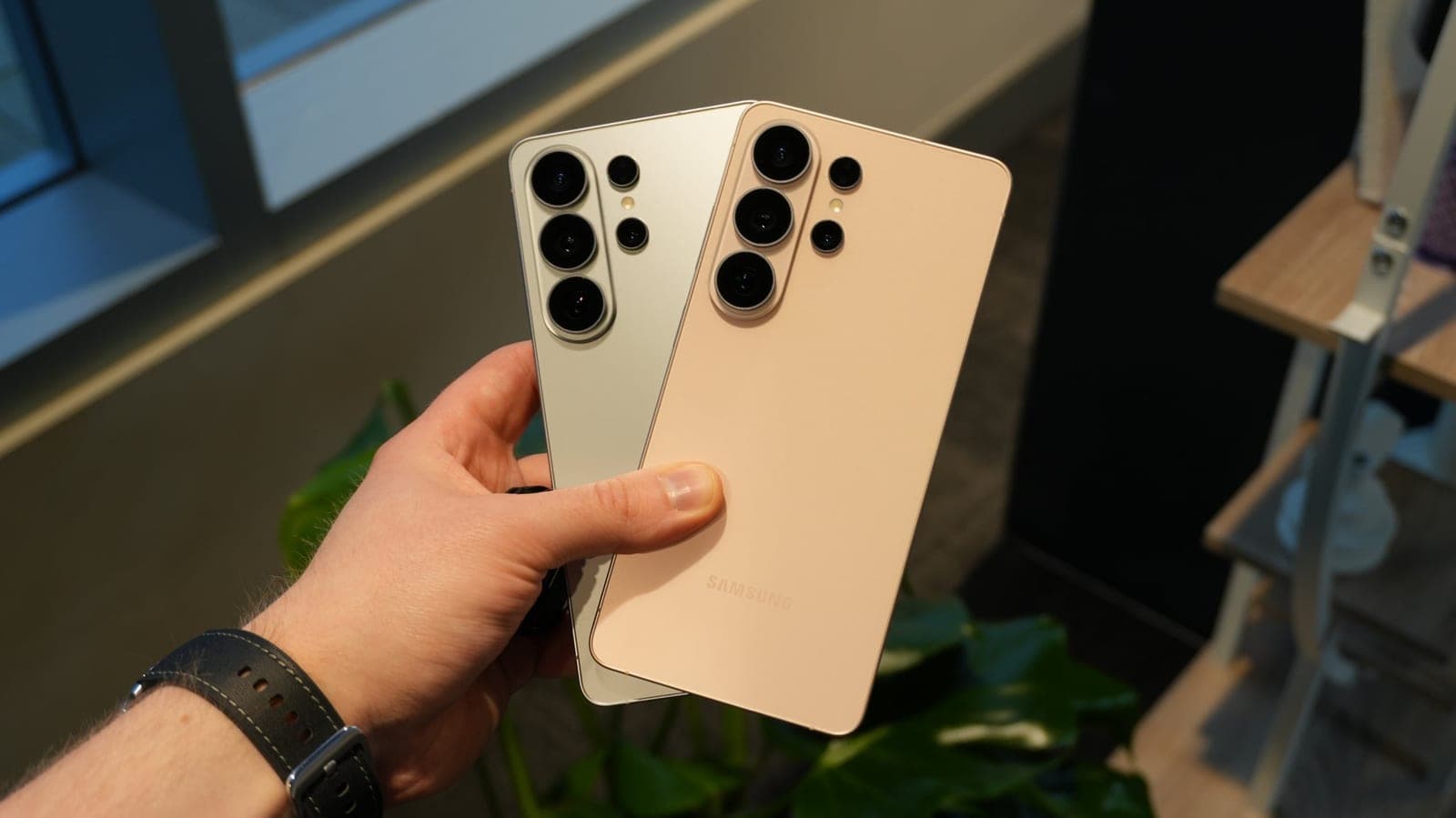
Samsung just made the Galaxy S26 the third big phone line to get more expensive over memory costs this week
Samsung quietly raised US prices on most of the Galaxy S26 lineup by $100, and by $200 on the 1TB Ultra, citing the same memory chip shortage that's already pushed up prices from Huawei and PC makers.
Huawei says the memory chip shortage just added $200 to every phone it makes
Huawei's consumer business chief says memory component costs have added about $200 per device, and the company will raise smartphone prices to cope, joining Apple and Xiaomi in passing the squeeze on to buyers.
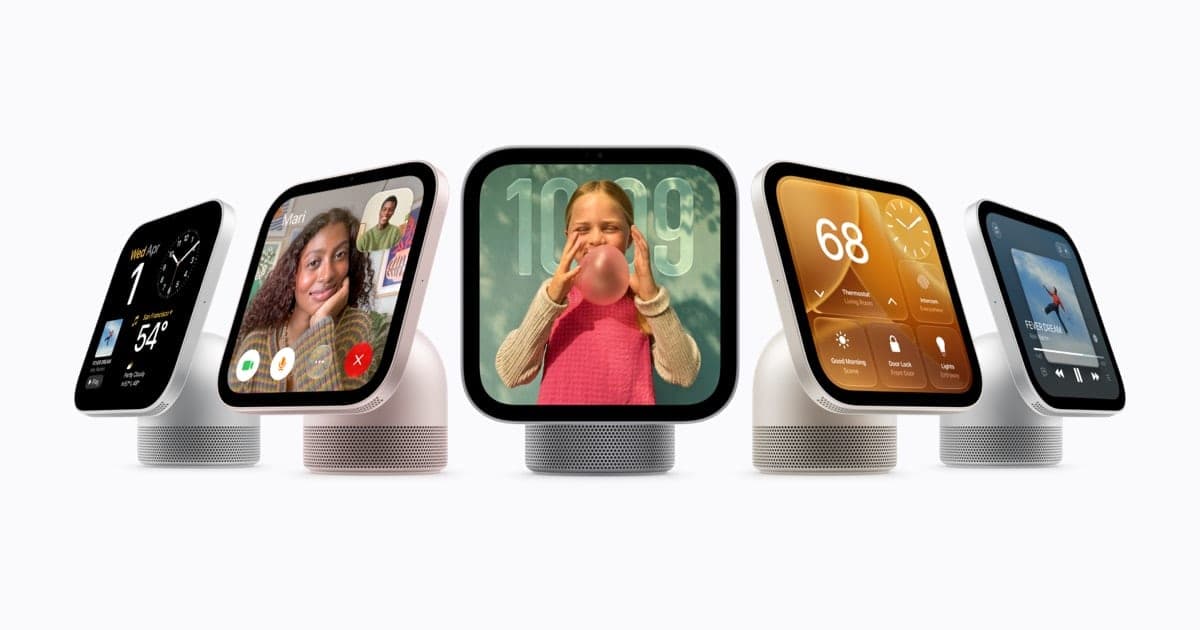
Apple's $299 HomeView knows your face, but only when your iPhone is home
Apple's first smart display recognizes up to six people by face and gives each one a private Home Screen. The catch: your own iPhone or iPad has to be nearby and recently unlocked.
More in brief
- Anthropic tells investors its Q3 revenue hit $16.8 billion ahead of its IPOOct 15
- Mexico gives Meta, TikTok and X one month to shield kids from harmful contentOct 15
- OpenAI engineer charged over hidden recording device in executive roomOct 15
- Eight US states sue OpenAI over ChatGPT's safety for kidsOct 14
- Xbox Nano is a $50 controller small enough for your pocketOct 14
- Linux kernel developers move to drop the rule that made coders disclose AI helpOct 14