
Technology·News & analysis
Mexico gives Meta, TikTok and X one month to shield kids from harmful content
President Claudia Sheinbaum signed a decree that orders social media and streaming platforms to keep violent, sexual and self-harm content away from minors, starting with safer default settings.
Tide
Ripple
Sci-fi
2/10
Reality
Shipping
A country writing safety rules for the feeds kids scroll every day.How we rate
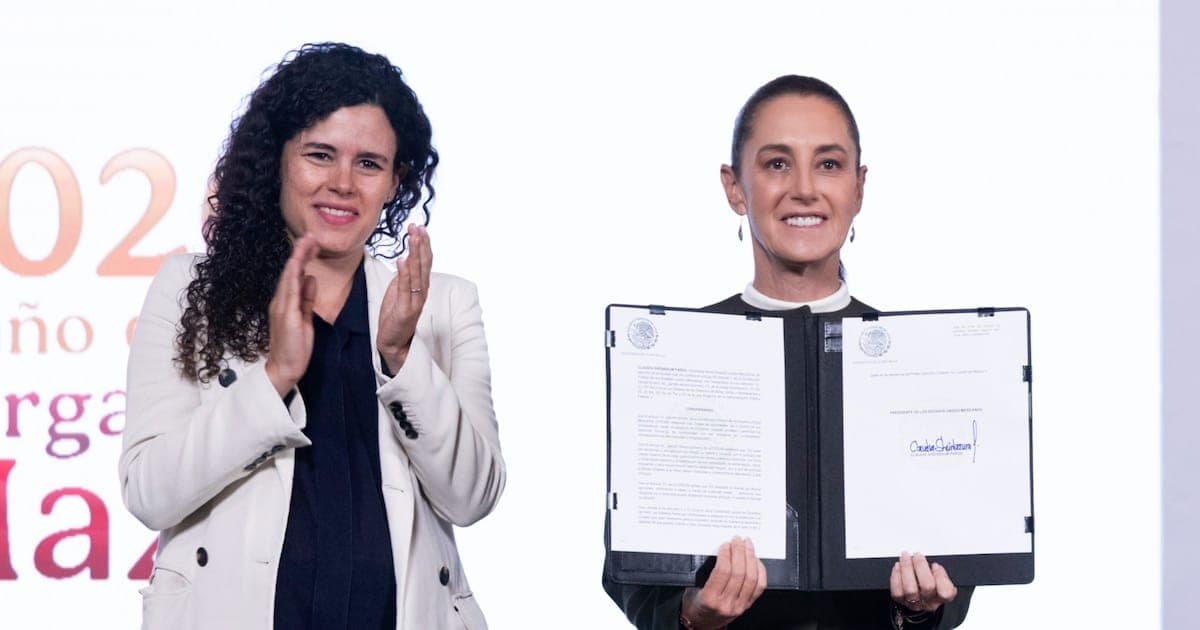
Mexican President Claudia Sheinbaum signed a decree on October 14 that orders digital platforms to keep violent, sexual and self-harm content away from minors.
Companies must verify ages, rate content by age, add parental tools and turn on the safest settings by default. It covers platforms used across Latin America's second-largest economy, including Meta, TikTok and X. Platforms have 30 days to comply, and the government says a law with sanctions could follow.
What to know
- President Claudia Sheinbaum signed the Decree on Safe Digital Environments for Girls, Boys and Adolescents on October 14, 2026, and it was published in Mexico's official gazette the same day.
- Platforms must keep minors away from hate speech, sexual abuse, self-harm, eating disorder and bullying content, and must not recommend it to them.
- They also have to verify users' ages, classify content by age, switch on the most protective settings by default and add parental supervision tools.
- Companies have 30 calendar days to adjust and report what they did. The decree has no penalties, but the government says a law with sanctions could follow.
The Mexican government announced on Wednesday that President Claudia Sheinbaum signed a decree ordering digital platforms to protect children and teens from harmful content. So what exactly do Meta, TikTok, X and the rest now have to change for users in Mexico?
What did Mexico actually sign?
The document is called the Decree on Safe Digital Environments for Girls, Boys and Adolescents. Sheinbaum signed it on October 14, 2026, during her morning press conference at the National Palace, and it was published in the Diario Oficial de la Federación, Mexico's official gazette, the same day.
Its core idea is simple. Platforms must restrict minors' exposure to violence, harassment and sexual abuse by design, and remove any risky material from minors' profiles right away, according to the presidency.
The decree rests on Article 101 Bis 3 of Mexico's General Law on the Rights of Girls, Boys and Adolescents. That article says the state will guarantee safe access to the internet and fight cyberbullying and other online violence, Infobae reports.
Luisa María Alcalde, the presidency's chief legal adviser, presented the details. She first showed the plan at the morning press conference on Friday, October 9.
What content is now off-limits for minors?
Under the decree, platforms must not let minors access, see or receive algorithmic recommendations of content that creates or promotes:
- Hate and extremism: hate speech and violent extremism.
- Sexual harm: abuse, exploitation or sexual violence, plus explicit sexual material.
- Self-harm: suicide, deliberate self-harm and eating disorders.
- School and online violence: violence at school, harassment, cyberbullying.
- Crime: content that promotes illegal conduct.
The word "recommendation" matters here. It is not enough to remove a post after someone reports it. The decree also targets the feed itself: what the app chooses to show a teenager next.
According to Chilango, the rules apply to platforms that let users interact, communicate, create, publish or share content. That covers social networks and, as Reuters notes, streaming sites too.
What do platforms have to build?
The second part of the decree is a checklist of features. Companies must:
- Be safe by default: minors start with the most protective privacy and safety settings switched on.
- Remove fast: identify and immediately take down accounts or posts that incite or generate violence.
- Rate content by age: classify what is on the platform so minors do not reach unsuitable material.
- Verify ages: check how old users are.
- Give parents tools: add supervision features for mothers, fathers and guardians.
- Make reporting easy: offer accessible ways to report risky users or content.
Think of it like car safety rules. Seatbelts and airbags come built into the car, not sold as an optional extra. The decree asks platforms to treat child safety the same way: built in and switched on from the start.
The government's summary does not say how age verification must work. That detail will matter, because methods range from simply asking for a birth date to checking an ID or estimating age from a selfie.
In real life If your 14-year-old in Mexico opens a new account, the decree means the app should start with private settings, filter what its algorithm suggests and give you a way to supervise, without you having to dig through menus first.
What happens when something serious shows up?
The decree also sets out how platforms must work with law enforcement. Each company must:
- Stay reachable: keep a contact point available 24 hours a day, 7 days a week, for investigators' information requests.
- Keep evidence: preserve relevant evidence and hand it to investigating authorities.
- Raise the alarm: alert authorities immediately when they find content that threatens someone's life.
Expansión described this as a link between the platforms and Mexico's security authorities, so that content inciting violence can be flagged quickly.
The decree adds support for families as well. It promotes the Línea de la Vida helpline (800-911-2000), which offers psychological support to young people and their parents, and the "ABC of Emotions" guide on mental health and conscious use of social media for schools.
Why now?
Reuters reports that the decree follows an attack in early October by two 18-year-old former students on a high school in the northern state of Coahuila. One person died and three were wounded.
The big picture: Mexico is joining a wider push. Reuters notes that governments in Europe and Australia have tightened oversight of digital platforms, US states are pursuing child-safety measures and Brazil has also strengthened protections for children online.
In the US, eight states sued OpenAI this week over ChatGPT's safety for kids, as we reported. The platforms have been adding their own tools too: WhatsApp, for example, recently added parental controls for teens.
The catch: Reuters also points out that rules like these raise questions about how to protect minors while safeguarding privacy and freedom of expression. Age checks, in particular, mean collecting more information about users.
Is this a law, and what if companies ignore it?
Not yet. Alcalde described the decree as mandatory but not punitive: it sets obligations but no fines.
Platforms get 30 calendar days from its entry into force to make the technical changes and formally document what they did for the authorities. Mexico's Digital Transformation and Telecommunications Agency will track their progress.
Sheinbaum was clear about the next step. "The platforms agreed; the only thing they asked for was a month to prepare," she said at the press conference, in our translation. "If we see that it is not being followed, then we would move to a law that would also include sanctions for the platforms."
The decree also tells the presidency's legal office to set up a working group to draft regulation proposals for protecting minors online. So a law is already on the table as a possible second step.
What do the tech companies say?
According to the government, officials met twice with representatives of Meta, Microsoft, Apple, TikTok, Google, X and Huawei. Alcalde said the companies recognized the need for the decree, and Infobae quotes her saying the platforms already identify and remove harmful content for minors today.
A Meta spokesperson told Reuters the company is "aware of the decree" and will "analyze it in detail." The spokesperson said Meta has long offered tools that help parents guide their children's experience, including limits on who can contact teens, and that it will keep working with authorities on a safer environment for teenagers.
Microsoft, Apple, TikTok, Google, X and Huawei did not immediately respond to Reuters' requests for comment.
What's next: the 30-day clock is now running. Once it ends, each platform has to show the government what it changed, and the government will decide whether a law with penalties is needed.
What it means for you
- If you are a parent in Mexico: expect new supervision options and stricter default settings on your kids' apps over the coming weeks. Check the safety settings once they arrive.
- If you are a teen user: you may be asked to prove your age, and your feed may show less of certain content.
- If you live elsewhere: nothing changes for you directly, but platforms often reuse features built for one country, so watch for similar tools in your region.
- If you or someone you know needs support: in Mexico, the Línea de la Vida is at 800-911-2000.
The bottom line
Mexico has given the world's biggest platforms a month to make their apps safer for minors by default, from age checks to parental tools. The decree has no fines for now, but the government says a law with sanctions is the next step if companies fall short.
Key facts
- Signed
- October 14, 2026
- Deadline to comply
- 30 calendar days from entry into force
- Companies consulted
- Meta, Microsoft, Apple, TikTok, Google, X, Huawei
- Legal basis
- Article 101 Bis 3, General Law on the Rights of Children
- Penalties
- None in the decree; a law could add them
Got questions?
Quick answers, plain wordsWhat did Mexico's president sign?
Claudia Sheinbaum signed the Decree on Safe Digital Environments for Girls, Boys and Adolescents on October 14, 2026. It orders digital platforms to restrict, by design, the content minors can see, and to remove risky material from minors' profiles right away.
Which companies does it affect?
Platforms where people interact, communicate, create or share content, such as social networks and streaming sites, according to Chilango and Reuters. The government says it met Meta, Microsoft, Apple, TikTok, Google, X and Huawei about it.
What content must platforms keep away from minors?
Hate speech and violent extremism; sexual abuse, exploitation or violence; suicide, deliberate self-harm and eating disorders; school violence; harassment, cyberbullying; illegal conduct; and explicit sexual material. Platforms must not show it to minors or recommend it through their algorithms.
Do platforms have to verify ages in Mexico now?
Yes, the decree lists age verification among the obligations, along with age ratings for content, parental supervision tools and easy ways to report users or content. The government's summary does not say which verification method platforms must use.
When does the decree take effect?
It was published in the Diario Oficial de la Federación on October 14, 2026. Platforms then have 30 calendar days from its entry into force to adjust their systems and formally report the steps they took.
What happens if a platform does not comply?
The decree itself is mandatory but carries no penalties. Sheinbaum said Mexico's Digital Transformation and Telecommunications Agency will track progress, and if the rules are not being followed, the government would move to a law that includes sanctions.
What did the companies say?
A Meta spokesperson told Reuters the company is aware of the decree, will analyze it in detail and will keep working with authorities. Microsoft, Apple, TikTok, Google, X and Huawei did not immediately respond to Reuters. The government says the platforms agreed and only asked for a month to prepare.
Why did Mexico do this now?
Reuters reports the decree follows an attack in early October by two 18-year-old former students on a high school in the northern state of Coahuila, which left one person dead and three wounded.
Does the decree involve the police?
Platforms must keep a contact point available 24/7 for investigators, preserve and hand over relevant evidence, and alert authorities right away when they find content that threatens someone's life.
Is Mexico the only country doing this?
No. Reuters notes that Europe and Australia have tightened oversight of platforms, US states are pursuing child-safety measures and Brazil has also strengthened protections for children online.
SourcesPresidencia de la República (Mexico)
Topics and tagsMeta, AI safety, AI policy, child safety
Related stories

WhatsApp will now tell parents when their teen joins a group, but not what's said in it
WhatsApp launched optional parental controls for teen accounts, alerting parents when their teen joins or leaves groups while keeping actual messages end-to-end encrypted.

Why Black Twitter found a new home on Meta's Threads
Years after Elon Musk bought Twitter, a wave of Black creators and communities have found their footing on Threads, helped by features Meta built specifically for community building.

Xbox Nano is a $50 controller small enough for your pocket
Microsoft's smallest Xbox controller keeps all 18 standard inputs, adds Bluetooth and a programmable button, and ships in November.
More in brief
- Anthropic tells investors its Q3 revenue hit $16.8 billion ahead of its IPOOct 15
- OpenAI engineer charged over hidden recording device in executive roomOct 15
- Eight US states sue OpenAI over ChatGPT's safety for kidsOct 14
- Linux kernel developers move to drop the rule that made coders disclose AI helpOct 14
- Deezer will let you hide fully AI-generated music with one switchOct 14
- YouTube Music starts labeling songs made mostly with AIOct 14