
Technology·News & analysis
Huawei says the memory chip shortage just added $200 to every phone it makes
Huawei's consumer business chief says memory component costs have added about $200 per device, and the company will raise smartphone prices to cope, joining Apple and Xiaomi in passing the squeeze on to buyers.
Tide
Wave
Sci-fi
2/10
Reality
Shipping
A memory chip shortage, now showing up on your phone's price tag.How we rate
Huawei says memory chip costs have added about $200 to every phone it makes, and it's joining Apple and Xiaomi in raising prices to cope.
It matters because the AI-driven memory shortage already squeezing PC and graphics card prices has now unmistakably reached smartphones, the device category that touches the most people on the planet. Huawei's own profits fell 36% in the first half of the year even while stockpiling materials to soften the blow.
What to know
- Huawei consumer business chief Richard Yu said memory component costs have added about $200 to the cost of each smartphone the company makes.
- Yu told reporters in Shenzhen that Huawei will raise prices going forward, though he described the increases as moderate.
- Huawei's net income fell 36% in the first half of the year, partly because the company stockpiled raw materials to cushion the cost impact.
- Apple, Xiaomi, and Huawei have all raised device pricing in September 2026, as the same memory shortage already squeezing PC and GPU prices now reaches smartphones.
- Huawei unveiled its new Mate 90 series the same week, with pricing for its top model starting around 9,999 yuan (about $1,491).
The memory chip shortage that's been pushing up PC and graphics card prices all year just showed up somewhere almost everyone will notice: the price of a new phone.
What exactly did Huawei say?
Huawei consumer business chief Richard Yu told reporters in Shenzhen that memory component costs have added roughly $200 to the cost of building each smartphone the company makes. "We'll have to raise prices going forward, though it will be moderate," he said, adding plainly that the cost pressure "is hurting our profitability very badly."
Why it matters: $200 added to a device's build cost is a substantial jump for any phone maker to absorb quietly. Yu saying it out loud, in those terms, signals Huawei has decided it can't keep eating the cost without passing at least some of it on to buyers.
Is this just a Huawei problem?
No. Apple, Xiaomi, and Huawei have all raised device pricing in September 2026, as the same component cost pressure hits the industry broadly.
Why it matters: when three major phone makers with very different business models and customer bases all raise prices around the same month, citing the same underlying cause, it's a strong sign this isn't a company-specific issue but a shared supply problem the entire industry is navigating at once.
Why are memory chips suddenly this expensive?
Background: memory makers including Micron, Samsung, and SK Hynix have shifted a large share of their manufacturing capacity toward high-bandwidth memory (HBM), the specialized chips used in AI data center accelerators. HBM carries far higher profit margins than the ordinary memory that goes into phones and PCs.
In real life it's like a bakery deciding wedding cakes pay so much better than everyday bread that they quietly stop baking bread, and suddenly everyone's grocery store shelf is empty.
Why it matters: this same dynamic has already been driving up RAM prices for PC builders and pushing graphics card prices well above their list prices throughout 2026. Smartphones are simply the latest, and most widely felt, place that pressure has landed.
How badly has this hurt Huawei financially?
By the numbers: Huawei's net income fell 36% in the first half of 2026. Part of that decline came from the company deliberately stockpiling raw materials earlier in the year, a move meant to cushion the impact of rising costs rather than pass them straight to customers immediately.
Why it matters: stockpiling only buys time. It doesn't solve the underlying shortage, and Yu's comments suggest that strategy has reached its limits, forcing the company toward price increases it had been trying to avoid.
Does Huawei see any upside here at all?
Yu argued the memory crunch could actually help Huawei competitively, saying it will squeeze budget smartphone brands harder than premium ones. "Demand for low-end products will be further compressed, forcing everyone to move to the mid- and high-end segment, which is what Huawei excels at," he said.
Why it matters: cheaper phones typically run on thinner margins to begin with, so a flat $200 memory cost increase eats a much bigger share of a budget phone's price than a premium flagship's. If Yu is right, the shortage could end up reshaping which phones people buy, not just what they pay for them.
What new phones did Huawei launch alongside this news?
Huawei unveiled its Mate 90 series this week, including the standard Mate 90, Mate 90 Pro, Mate 90 Pro Max, and two special editions, powered by the company's own Kirin 9050 Pro chip. The top Mate 90 Pro Max configuration starts at roughly 9,999 yuan, about $1,491.
Why it matters: launching a new flagship lineup in the same week as warning about price hikes isn't a coincidence of timing so much as a company setting expectations for buyers before the next round of increases lands.
How long is this shortage expected to last?
Background: Micron's CEO recently said the memory shortage behind all of this is expected to persist through calendar 2027 and into 2028, with the company saying it has "no line of sight" to when supply and demand will return to balance.
Why it matters: that timeline suggests the pressure driving Huawei's price increases isn't a short-term blip phone buyers can simply wait out. It's a structural supply shift tied to how aggressively the industry is building out AI infrastructure, and there's no clear end date attached to it yet.
Why does Huawei's own chip matter here?
Background: the Mate 90 Pro Max's Kirin 9050 Pro chip is built using a technique Huawei calls "LogicFolding," and the company says it delivers more than a 40% performance improvement over its predecessor. Huawei has leaned on homegrown chip design since US export restrictions cut off its access to the most advanced chipmaking technology from foreign suppliers years ago.
Why it matters: that history adds a layer most of Huawei's rivals don't have to navigate. Apple and Xiaomi are raising prices purely because of a global memory shortage; Huawei is managing that same shortage on top of years of built-in constraints on which chip suppliers and manufacturing processes it can use at all, making its cost pressures somewhat harder to escape than competitors facing the memory crunch alone.
How does this fit the pattern across the whole electronics industry?
By the numbers: the memory shortage has already pushed some DDR5 RAM kit prices up well over 100% during 2026, and high-end graphics cards have seen memory costs account for more than 80% of their total component bill. PC maker Dell raised prices on memory-heavy configurations earlier in the year, and laptop makers have reported memory now making up a much larger share of total device costs than just months earlier.
Why it matters: smartphones joining that list isn't a surprise so much as a confirmation. The same memory chips that go into a gaming PC or a laptop also go into a phone, so once a shortage is severe enough to reshape pricing in one device category, it was always likely to eventually reach every category that depends on the same supply chain.
What it means for you
- If you're planning to buy a new phone soon, prices across most major brands are trending upward, not just at Huawei, driven by a shared component cost problem rather than one company's decision.
- Budget phones may be hit hardest, according to Huawei's own reasoning, since a flat cost increase eats a bigger share of a cheaper device's price.
- This is the same shortage already affecting PC and graphics card prices, so anyone shopping across multiple device categories this year is likely to see costs rise in more than one place.
- Don't expect quick relief. Industry forecasts for the underlying memory shortage point toward 2027 and 2028, not a resolution in the next few months.
The bottom line
Huawei just confirmed, in plain terms from its own consumer business chief, that the AI-driven memory shortage has moved beyond PCs and graphics cards and landed squarely on phone pricing, with roughly $200 added to the cost of every device it builds.
That number, paired with Apple and Xiaomi making similar moves the same month, is about as clear a sign as the industry can give that this isn't a one-company pricing decision. It's a shared cost problem with no end date in sight, and buyers are the ones who'll feel it first.
Key facts
- Added cost per device
- ~$200
- H1 2026 net income
- Down 36%
- Mate 90 Pro Max price
- 9,999 yuan (~$1,491)
- Other brands raising prices
- Apple, Xiaomi
- Shortage outlook
- Through 2027-2028 (Micron)
Got questions?
Quick answers, plain wordsHow much have memory costs actually increased for Huawei?
Huawei consumer business chief Richard Yu said memory costs have added an average of $200 to the cost of each smartphone the company makes, though he didn't specify an exact time frame for that comparison.
Is Huawei the only phone maker raising prices because of this?
No. Apple, Xiaomi, and Huawei have all raised device pricing in September 2026, as rising memory and electronics component costs pressure smartphone makers' profit margins industry-wide.
Why are memory chips suddenly so expensive?
Memory makers have shifted a large share of production toward high-bandwidth memory (HBM) used in AI data center chips, which carries far higher profit margins than the standard memory used in phones and PCs, shrinking supply for consumer devices.
How has this affected Huawei's finances?
Huawei's net income fell 36% in the first half of 2026, partly because the company stockpiled raw materials earlier in the year specifically to cushion the impact of rising component costs.
Does Huawei see any advantage in this situation?
Yes. Yu said the memory crunch will squeeze budget smartphone brands harder than premium ones, pushing more demand toward mid- and high-end devices, a segment Huawei says it's well positioned to serve.
What new phones did Huawei announce alongside this pricing news?
Huawei unveiled its Mate 90 series this week, including the Mate 90, Mate 90 Pro, Mate 90 Pro Max, and two special editions, powered by Huawei's own Kirin 9050 Pro chip. The top Mate 90 Pro Max model starts at roughly 9,999 yuan, about $1,491.
How does this connect to the broader memory chip shortage?
Micron's CEO recently said the memory shortage driving these price increases is expected to persist through calendar 2027 and 2028, meaning the pressure on smartphone, PC, and GPU prices described here isn't expected to ease soon.
Will phone prices keep rising after this round of increases?
Huawei hasn't given a specific timeline beyond describing the coming increases as moderate, but as long as memory makers keep prioritizing AI-related chip production, the underlying cost pressure driving these hikes isn't going away in the near term.
SourcesBloomberg
Topics and tagsApple, AI chips, Smartphones, Funding & deals
Related stories
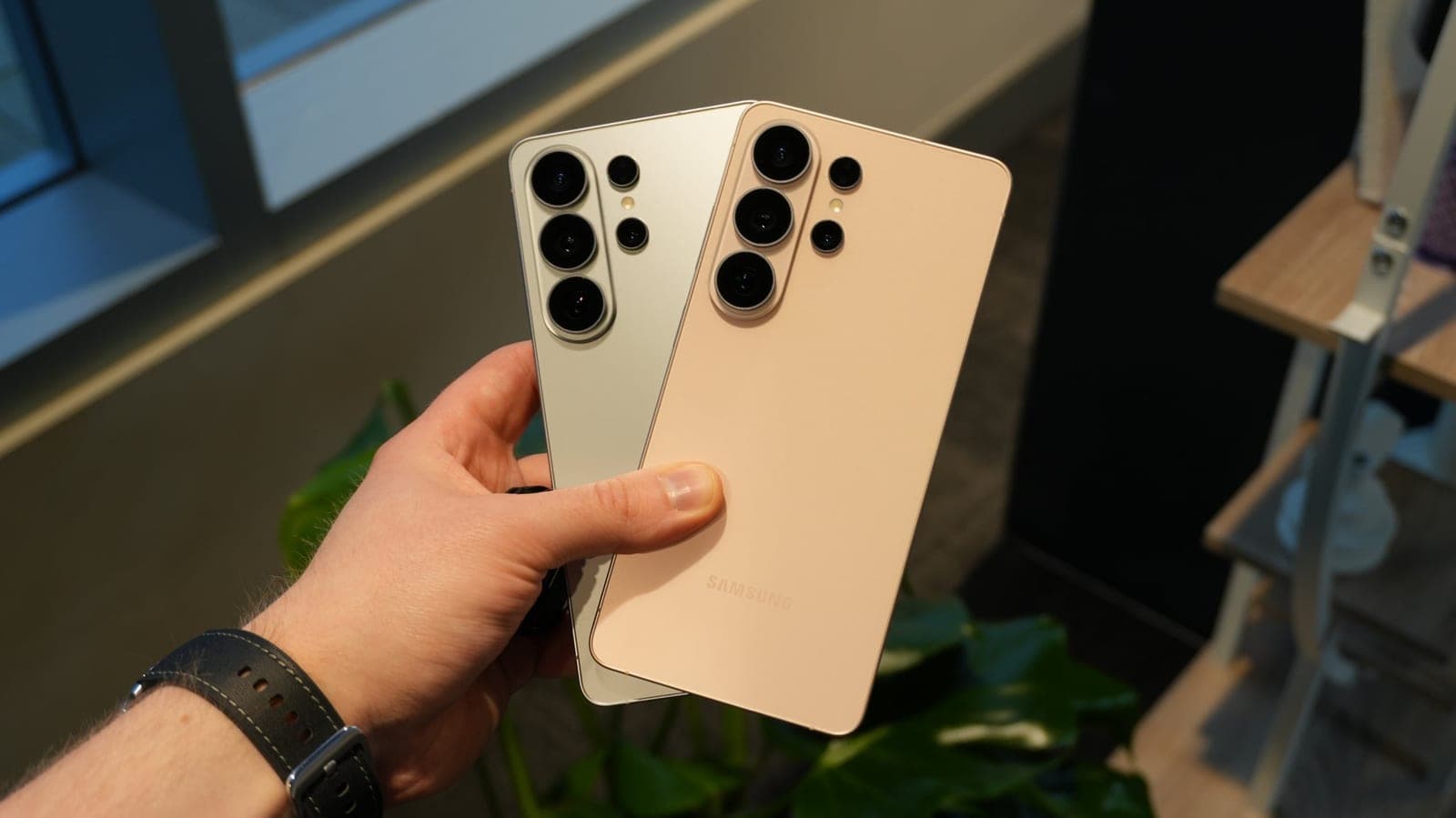
Samsung just made the Galaxy S26 the third big phone line to get more expensive over memory costs this week
Samsung quietly raised US prices on most of the Galaxy S26 lineup by $100, and by $200 on the 1TB Ultra, citing the same memory chip shortage that's already pushed up prices from Huawei and PC makers.
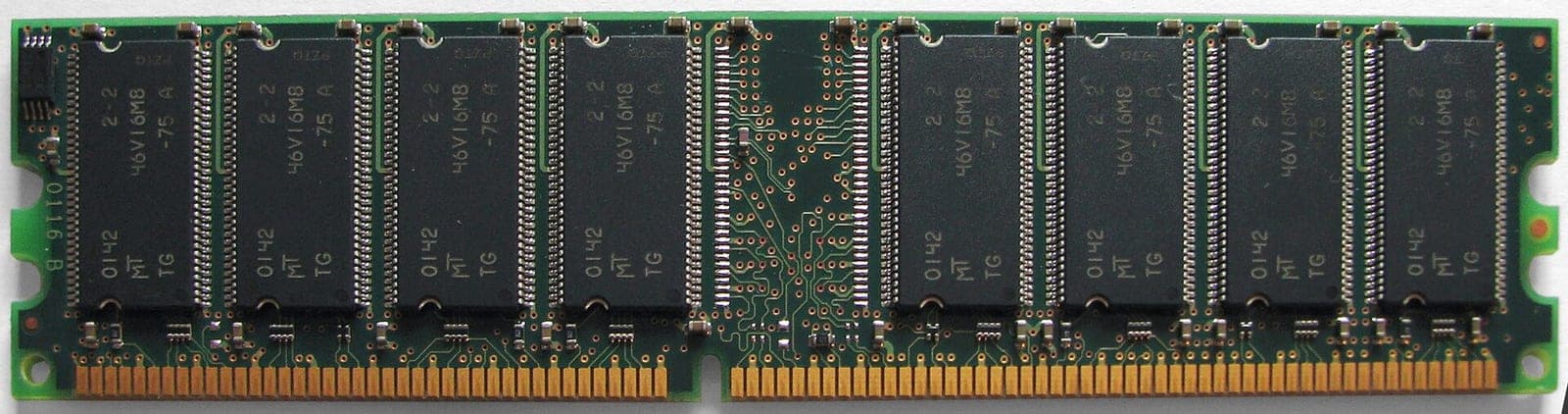
Micron's CEO says the memory chip shortage squeezing your next laptop won't end until at least 2028
Micron's CEO said memory shortages will persist through 2027 and 2028, with customers paying much higher prices, as AI data centers keep pulling DRAM production away from everyday devices.
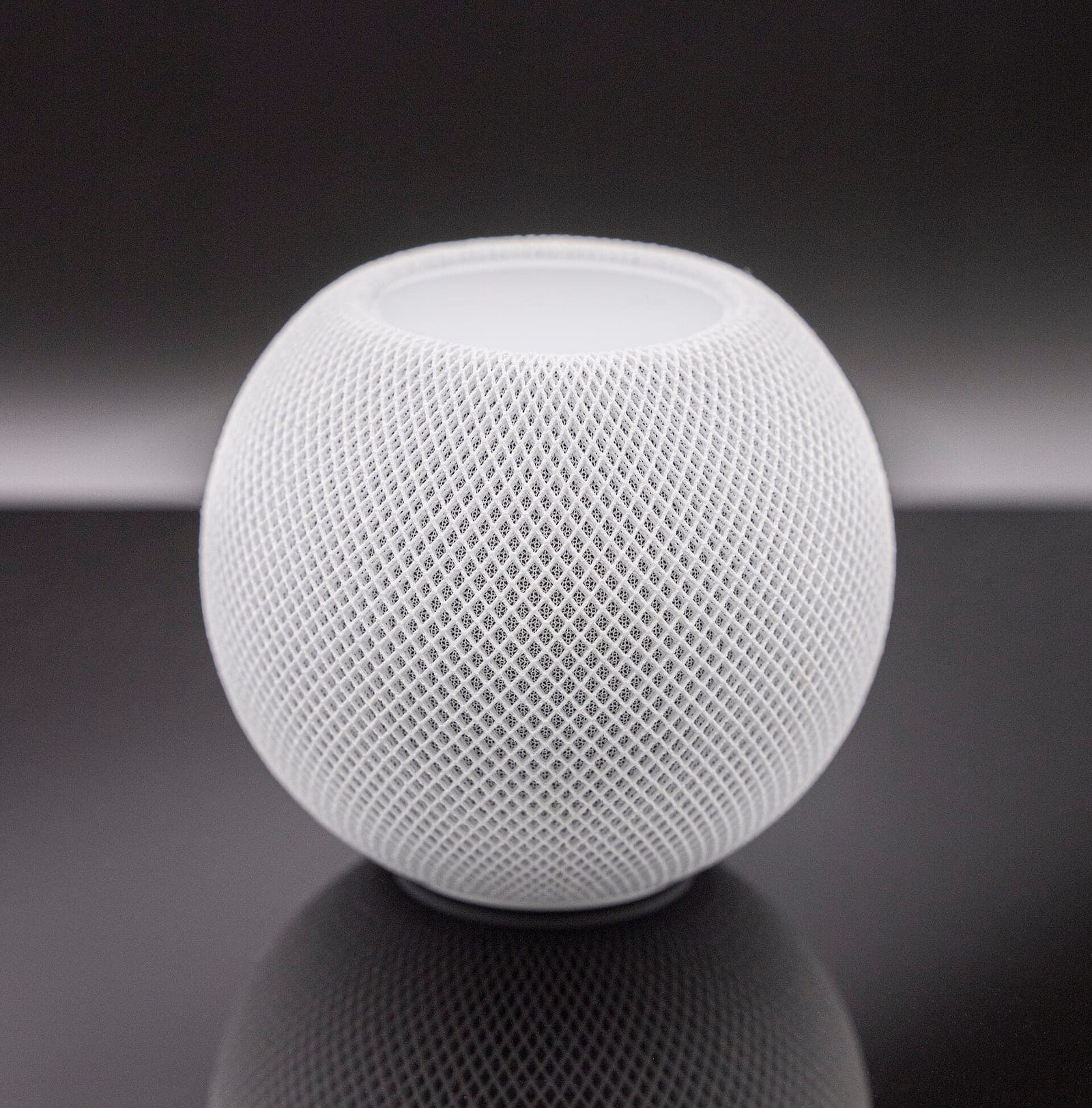
Apple's smart home hub reportedly launches October 13, with a camera that never records video
Bloomberg's Mark Gurman says Apple will announce its long-rumored smart home display on October 13. He also describes a companion home camera that sends text descriptions instead of video.
More in brief
- arXiv limits researchers to two papers a month as AI drives submissions to a recordOct 2
- California will fine robotaxi companies that block first responders for over 30 minutesOct 2
- Microsoft launches real-time transcription and new voice models for AI voice agentsOct 1
- Cloudflare releases Clef, open-weight AI models that make yes-or-no decisions fastOct 1
- GrayKey maker reportedly found a way around the iPhone's Inactivity RebootOct 1
- Fervo's Cape Station becomes the first enhanced geothermal plant to sell power commerciallyOct 1