
Technology·News & analysis
Samsung just made the Galaxy S26 the third big phone line to get more expensive over memory costs this week
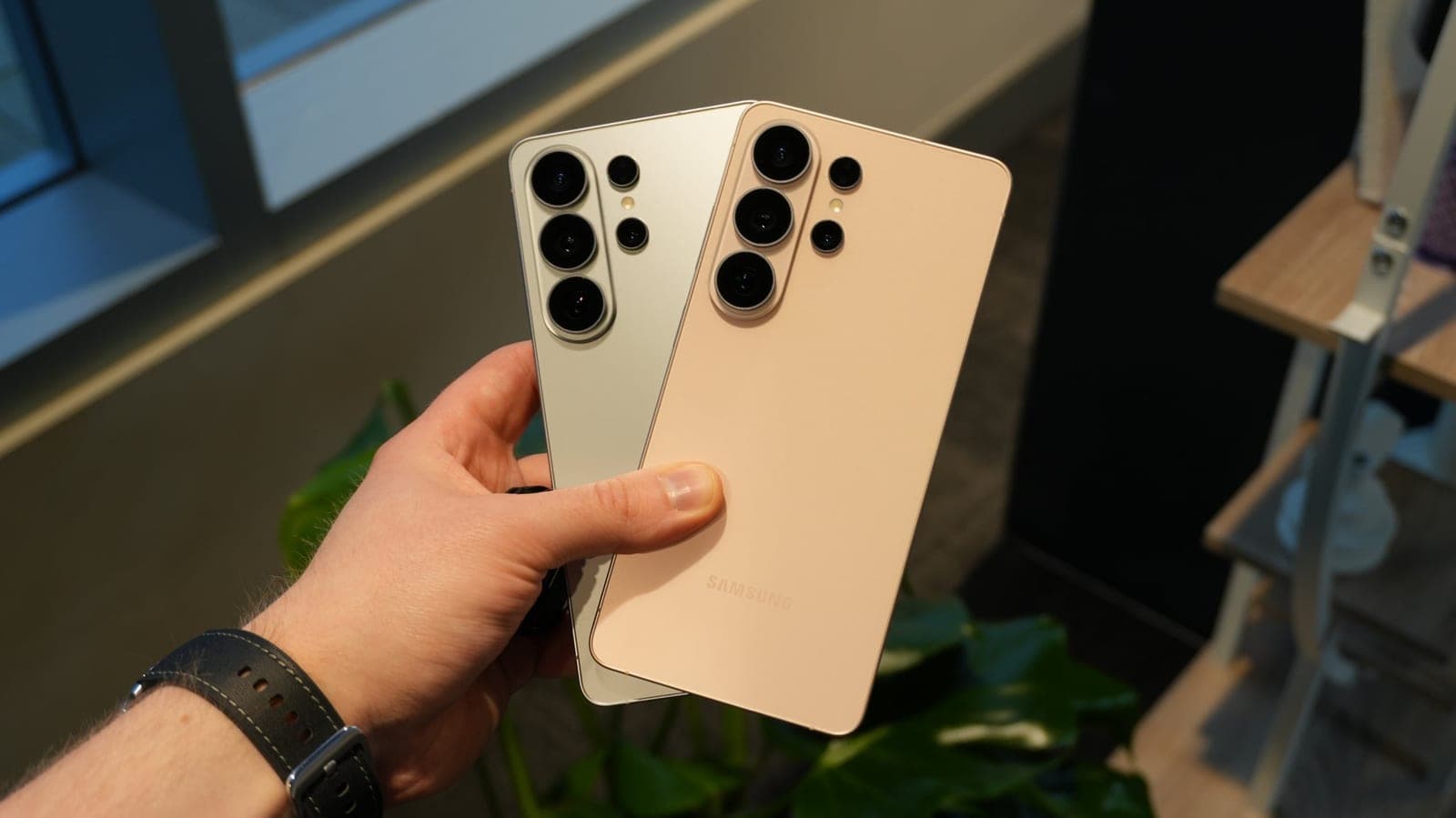
Samsung quietly raised US prices on most of the Galaxy S26 lineup by $100, and by $200 on the 1TB Ultra, citing the same memory chip shortage that's already pushed up prices from Huawei and PC makers.
Tide
Wave
Sci-fi
1/10
Reality
Shipping
A phone price tag that quietly moved without a press release.How we rate
Samsung quietly raised US prices on most of the Galaxy S26 lineup by $100 to $200, citing the same memory chip shortage already pushing up prices from Huawei and PC makers this year.
Samsung is both one of the world's largest phone makers and one of the three companies manufacturing the memory chips driving the shortage. That makes this price hike a uniquely direct look at how AI's hunger for memory now reaches back into phone prices. Expect similar adjustments across the industry as the shortage continues.
What to know
- Samsung raised US prices on most of the Galaxy S26 lineup by $100, with the 1TB Galaxy S26 Ultra rising by $200 to $1,999.99.
- The Galaxy S26 now starts at $999.99 (256GB) and the Galaxy S26 Plus starts at $1,199.99, both up from their original launch prices.
- The Galaxy Z Fold 8 and Galaxy Z Flip 8 prices are unchanged for now.
- Samsung has pointed to rising component costs, including a roughly 16% increase in LPDDR5 mobile RAM, a 12% increase in chipset costs, and an 8% increase in camera module costs, driven by heavy AI-related demand for memory chips.
- The increase follows similar price hikes already made by Huawei and PC makers this year, all citing the same AI-driven memory shortage squeezing device costs industry-wide.
Samsung just joined Huawei and a growing list of PC makers in quietly raising prices because of the same memory chip shortage, except this time it's a company that also happens to make a huge share of the memory chips in question.
How much more expensive did the Galaxy S26 actually get?
Samsung raised US prices on most of the Galaxy S26 lineup by $100. The Galaxy S26 now starts at $999.99 for 256GB, the Galaxy S26 Plus starts at $1,199.99, and the Galaxy S26 Ultra starts at $1,399.99. The steepest jump hit the top-tier 1TB Galaxy S26 Ultra, which rose $200 to $1,999.99.
Why it matters: a flat $100 increase hits the base Galaxy S26 harder, proportionally, than it hits the pricier Ultra models, the same pattern Huawei's CEO described when he said memory cost increases squeeze budget devices more than premium ones.
Did every Samsung phone get this price bump?
No. The Galaxy Z Fold 8 and Galaxy Z Flip 8 prices remain unchanged for now, even as most of the Galaxy S26 lineup saw the increase.
Why it matters: leaving the foldables untouched, at least for the moment, suggests Samsung is managing this cost pressure selectively rather than applying a blanket increase across its entire smartphone catalog.
Why is Samsung doing this now?
By the numbers: Samsung has pointed to rising component costs, including a roughly 16% year-over-year increase in LPDDR5 mobile RAM, a 12% increase in chipset costs, and an 8% increase in camera module costs, driven by surging AI-related demand for memory chips.
Why it matters: those are Samsung's own disclosed figures, not analyst estimates, giving a rare, specific look at exactly how much AI-driven memory demand is adding to the cost of building a flagship phone.
Did Samsung make a big announcement about this?
No. Reporting indicates Samsung quietly updated its US pricing without a dedicated press release, following a similarly quiet increase in South Korea and an earlier one in India.
In real life it's the corporate equivalent of changing a price tag on the shelf rather than putting up a sign explaining why, technically visible to anyone paying close attention, but not exactly advertised.
Why it matters: a quiet rollout, rather than a formal announcement, suggests Samsung would rather let the price change speak for itself than draw attention to a hike its own customers won't be thrilled about.
Is Samsung the only phone maker doing this?
No. Huawei recently said memory costs have added roughly $200 to the cost of every phone it makes, and both Apple and Xiaomi have also raised device pricing during 2026, all citing the same memory chip shortage.
Why it matters: three major phone makers with very different business models all raising prices around the same stretch of months, citing the same root cause, confirms this is an industry-wide supply problem rather than any single company's pricing decision.
What's actually causing the shortage behind all of this?
Background: memory makers, including Samsung itself alongside Micron and SK Hynix, have shifted significant manufacturing capacity toward high-bandwidth memory (HBM), the specialized chips used in AI data center accelerators, since HBM carries far higher profit margins than the standard memory used in phones and PCs.
Why it matters: that puts Samsung in an unusual position compared to Huawei or Apple. Samsung isn't just a phone maker absorbing higher memory costs from suppliers, it's also one of the three companies deciding how much of that memory capacity goes to AI customers instead of its own phone division.
Has Samsung done this before?
Yes. Reporting notes Samsung previously adjusted pricing on the Galaxy S25 Edge, Galaxy Z Flip 7, and Galaxy Z Fold 7 earlier in the year, citing the same underlying memory and component cost pressures.
Why it matters: this isn't a one-time reaction to a sudden cost spike. It's the latest in a pattern of repeated price adjustments across Samsung's lineup over the course of the year, suggesting the company has been absorbing and periodically passing along rising costs rather than eating them indefinitely.
When might this kind of pricing pressure actually ease?
Background: Micron's CEO recently said the broader memory chip shortage driving price increases across the industry is expected to persist through calendar 2027 and into 2028, with the company saying it has no clear line of sight on when supply and demand will rebalance.
Why it matters: that timeline suggests buyers shouldn't expect this kind of periodic price creep to stop anytime soon. If anything, Samsung's pattern of repeated adjustments this year may continue well into next year and beyond.
Does Samsung's memory business actually benefit from this shortage?
Background: Samsung's semiconductor division operates largely separately from its mobile phone division internally, but at the company level, the same memory shortage squeezing Galaxy S26 profit margins has been extraordinarily profitable for the chipmaking side of Samsung's business, mirroring how Micron posted record profits even as it warned device buyers about rising prices.
Why it matters: that creates a genuinely unusual internal dynamic. One part of Samsung is likely booking record margins selling memory chips to AI data center customers, while another part of the same company is raising phone prices specifically because it can't get enough of that same memory at the prices it used to pay.
How does this compare to what's happening with PCs and graphics cards?
Background: the same AI-driven memory shortage has already pushed consumer DRAM prices up sharply through 2026, with some DDR5 kit sizes reportedly more than doubling, and graphics cards seeing memory account for a majority of their total component cost as makers like Nvidia and AMD face similar supply pressure.
Why it matters: smartphones joining that list isn't a surprising development so much as a confirmation that no major consumer electronics category is immune. The same memory chips feeding AI data centers also go into phones, PCs, and graphics cards, so a shortage severe enough to reshape pricing in one category was always likely to eventually touch all of them.
What it means for you
- If you're shopping for a new Galaxy S26, the price you see today may not be the price you'd have paid a few months ago. Confirm current pricing directly rather than relying on launch-day figures.
- This is an industry-wide trend, not a Samsung-specific decision. Expect similar quiet adjustments from other phone makers as the same memory shortage continues.
- Foldables staying unchanged for now doesn't mean they're permanently exempt. Samsung has adjusted foldable pricing before and could again.
- If flagship phone prices matter to your budget, watch component cost reporting, not just launch announcements. Much of this pricing movement is happening quietly, after the initial release, rather than at launch.
The bottom line
Samsung just confirmed, through its own disclosed cost figures, exactly how much AI's appetite for memory chips is adding to the price of a flagship phone, and it did so quietly rather than drawing attention to the hike.
What makes this particular price increase notable isn't just the dollar amount, it's that the company raising prices because of a memory shortage is also one of the companies deciding how much of that memory goes to phones versus AI data centers in the first place.
Key facts
- Galaxy S26 (256GB)
- $999.99 (+$100)
- Galaxy S26 Ultra (1TB)
- $1,999.99 (+$200)
- Unaffected models
- Z Fold 8, Z Flip 8
- LPDDR5 RAM cost rise
- ~16% YoY
- Other brands raising prices
- Huawei, Apple, Xiaomi
Got questions?
Quick answers, plain wordsHow much more expensive did the Galaxy S26 get?
Most of the Galaxy S26 lineup rose by $100 in the US. The Galaxy S26 now starts at $999.99, the Galaxy S26 Plus starts at $1,199.99, and the Galaxy S26 Ultra starts at $1,399.99, with the top 1TB Ultra configuration rising $200 to $1,999.99.
Did every Samsung phone get more expensive?
No. The Galaxy Z Fold 8 and Galaxy Z Flip 8 prices remain unchanged for now, even as most of the Galaxy S26 lineup saw increases.
Why is Samsung raising prices now?
Samsung has pointed to rising costs for key components, including roughly a 16% increase in LPDDR5 mobile RAM, a 12% increase in chipset costs, and an 8% increase in camera module costs, driven by surging demand for memory chips from AI companies.
Did Samsung make a formal announcement about this price increase?
No, reporting indicates Samsung quietly updated its US pricing rather than issuing a dedicated press release, following a similar quiet price increase in South Korea and an earlier one in India.
Is Samsung the only phone maker raising prices because of memory costs?
No. Huawei recently said memory costs added roughly $200 to the cost of every phone it makes, and Apple and Xiaomi have also raised device pricing in 2026, all citing the same industry-wide memory chip shortage.
What's actually driving the memory chip shortage behind all these price hikes?
Memory makers including Samsung itself, along with Micron and SK Hynix, have shifted significant manufacturing capacity toward high-bandwidth memory (HBM) used in AI data center chips, since it carries far higher profit margins than the standard memory used in phones and PCs, shrinking supply for consumer devices.
Has Samsung raised prices on other devices for the same reason?
Yes. Reporting notes Samsung previously adjusted pricing on the Galaxy S25 Edge, Galaxy Z Flip 7, and Galaxy Z Fold 7 earlier in the year, citing the same memory and component cost pressures.
How long is this cost pressure expected to continue?
Micron's CEO recently said the broader memory chip shortage driving these price increases across the industry is expected to persist through calendar 2027 and into 2028, suggesting this isn't a short-term pricing adjustment.
SourcesThe Verge
Topics and tagsAI chips, Smartphones, samsung, galaxy s26
Related stories
Huawei says the memory chip shortage just added $200 to every phone it makes
Huawei's consumer business chief says memory component costs have added about $200 per device, and the company will raise smartphone prices to cope, joining Apple and Xiaomi in passing the squeeze on to buyers.
Micron's CEO says the memory chip shortage squeezing your next laptop won't end until at least 2028
Micron's CEO said memory shortages will persist through 2027 and 2028, with customers paying much higher prices, as AI data centers keep pulling DRAM production away from everyday devices.

A Samsung software update broke smart fridges in South Korea days before a holiday
Test software sent out by mistake left some Bespoke AI refrigerators without power or cooling ahead of Chuseok. Samsung halted the update and is offering free repairs.
More in brief
- arXiv limits researchers to two papers a month as AI drives submissions to a recordOct 2
- California will fine robotaxi companies that block first responders for over 30 minutesOct 2
- Microsoft launches real-time transcription and new voice models for AI voice agentsOct 1
- Apple's smart home hub reportedly launches October 13, with a camera that never records videoOct 1
- Cloudflare releases Clef, open-weight AI models that make yes-or-no decisions fastOct 1
- GrayKey maker reportedly found a way around the iPhone's Inactivity RebootOct 1