
AI·News & analysis
OpenAI engineer charged over hidden recording device in executive room
Federal prosecutors say an OpenAI engineer wrapped a tiny recorder in toilet paper and plugged it into a TV in an executive conference room in San Francisco.
Tide
Ripple
Sci-fi
4/10
Reality
In your hands
A spy-thriller plot built around a thumb-sized hobby board.How we rate
Federal prosecutors charged Abdulrahman Alfozan, a 35-year-old OpenAI engineer, with trying to intercept oral communications after a recorder wrapped in toilet paper was found plugged into a TV in an OpenAI executive conference room.
The FBI says chatbot prompts, CCTV footage and a second device in his bag point to him. OpenAI says it sees no sign that model weights, source code or customer data were taken. A detention hearing is set for October 19.
What to know
- Abdulrahman Alfozan, 35, an OpenAI engineer since July 2025, was arrested on October 9 and charged with trying to intercept oral communications.
- Prosecutors say a recorder wrapped in toilet paper was plugged into a TV in an OpenAI executive conference room around September 28 and found on September 30.
- The FBI complaint cites chatbot prompts about building a recorder, CCTV footage and a second device found in his bag.
- OpenAI says it has no sign that model weights, source code or customer data were taken; he faces up to 5 years in prison if convicted.
The US Attorney's Office in San Francisco announced that an OpenAI engineer has been charged with trying to secretly record conversations inside the company. The tool at the center of it is a tiny circuit board, a TV and some toilet paper.
So how does a recorder end up in one of the most guarded rooms in AI, and how did it get found?
What happened, step by step?
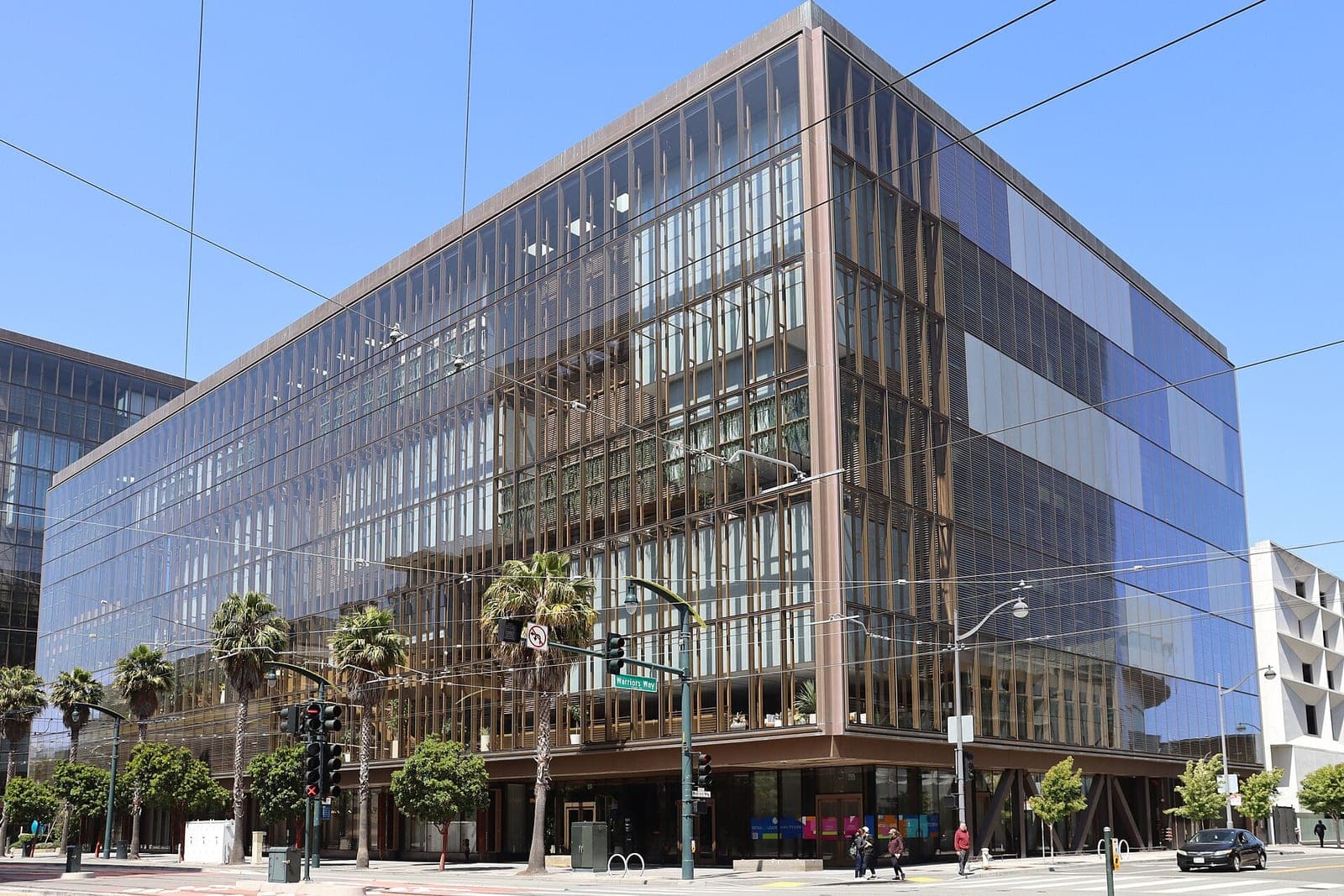
According to the Justice Department, OpenAI staff found a small audio recording device on or about September 30, 2026. It was plugged into a USB port on the back of a television in an executive conference room in one of OpenAI's San Francisco buildings.
The device was wrapped in toilet paper. OpenAI worked out that it had been installed around September 28, so it sat there for about two days before anyone noticed.
Here is the timeline from the complaint, as reported by The Register, Ars Technica and CBS News:
- August 17 to September 16: the engineer allegedly asks a company productivity agent about building addresses, meeting rooms, room sizes, calendars and where leadership and partner meetings happen.
- September 24 to 30: a chatbot account tied to his spouse submits prompts about building and modifying an audio recorder.
- Around September 28: the device is plugged into the conference room TV.
- September 30: OpenAI staff find it.
- October 5: a newly installed camera allegedly shows him looking behind the TV. The same day, security finds a second recorder in his bag.
- October 9: he is fired and arrested.
- October 13: first appearance in federal court.
Who is the engineer?
Prosecutors identify him as Abdulrahman Alfozan, 35, a Saudi national. The Register reports, citing court documents, that he has held US permanent residency since September 2020.
He joined OpenAI in July 2025. An OpenAI spokesperson, Nate Evans, told TechCrunch that he worked on the product team.
According to Ars Technica, the room where the device was found is restricted. Only people with special clearance are supposed to go in. Prosecutors say Alfozan had no authority to enter it or join the meetings held there.
None of this has been proven in court: a criminal complaint is an accusation, and Alfozan is presumed innocent.
What was the device?
An FBI affidavit by special agent Lydia Liang identifies it as a Seeed XIAO ESP32-S3 Sense. That's a thumb-sized development board with a microphone and a camera. Boards like it are sold to hobbyists and builders for small projects.
Think of it like a smartphone stripped down to its brain and its ears, small enough to hide in a fist.
According to the FBI, this one had been customized to hide whatever it stored. The memory card had "a layout consistent with a potentially encrypted file system," Liang wrote, as quoted by Ars Technica.
OpenAI could not read any data from the card, even after making a forensic copy of it, The Register reports. The complaint also says the device may have been modified so it would not pass data to the TV it was plugged into.
OpenAI told TechCrunch the device had "advanced encryption, audio monitoring capabilities, and a mechanism for transferring data designed to evade monitoring." The company says it used its own AI models to analyze the device and trace its origins.
In real life Look at the back of the TV in your office meeting room. There is probably a USB port there that nobody has checked in months. According to prosecutors, that is all this plan needed.
What evidence does the FBI cite?
The complaint leans on three kinds of evidence:
- Questions to AI tools: Alfozan allegedly used an OpenAI productivity agent to look up meeting rooms, calendars and the locations of "leadership and exec" meetings, CBS News reports.
- Chatbot prompts: an AI chatbot account linked to his spouse shared installation identifiers and IP usage with his account, according to The Register. Ars Technica reports that its prompts referenced the device's unique MAC address and asked about continuous recording, speech-triggered recording and encrypting a memory card.
- Camera footage: CCTV allegedly showed him near the executive conference room on 10 different days in September, Ars Technica reports. The room itself had no camera at the time. OpenAI added one later.
The catch: that later camera is what produced the October 5 photo. According to the complaint, it shows Alfozan in the room looking behind the TV where the device had been.
What about the second device?
That same day, October 5, Alfozan allegedly left a bag unattended in an office printer room. Security staff checked it and found a wallet, an ID card and a second Seeed recording device, according to the Justice Department.
He reported the bag missing and picked it up from the office lost and found the next day, The Register reports. He later filed a written report listing items he said were missing: a credit card, about $500 in cash, two AirPods, a set of headphones, sunglasses and a power bank.
According to Ars Technica, the list did not mention the second recording device.
How did OpenAI handle it?
OpenAI did not fire him right away. Ars Technica reports that the company gradually cut his access to its systems while it worked with the FBI. It then timed his firing for Friday, October 9, the same day as the arrest.
In a statement, OpenAI said:
"At this time, we have no indications of this individual inappropriately accessing or exfiltrating model weights, source code, or customer data. The employee was terminated."
Why it matters: model weights are the trained "brain" of an AI model, and source code is how the products are built. OpenAI's statement says neither shows signs of having been taken.
The company added that its security program is designed to protect against "insider risks to cybercriminals to nation states." It called the case "an example of how AI can help address these sophisticated security threats."
What are officials saying?
FBI Director Kash Patel said the device was meant "to secretly capture sensitive communications about the company's super intelligence technology."
US Attorney Craig Missakian called protecting Bay Area technology "a matter of national security." Semafor reports that the arrest came days before the first meeting of a White House AI task force, whose chair, Jay Clayton, cited the case.
On the other side, Alfozan's lawyer, William Pernik, told CBS News that his client is presumed innocent. He cautioned against "jumping to conclusions at this very early stage of the case when very little information is known." He also warned against politicizing the case based on factors like nationality.
What's next: the charge carries up to 5 years in prison and a $250,000 fine, plus 3 years of supervised release. CBS News reports that a detention hearing is set for October 19. Who, if anyone, the recordings were meant for has not been made public.
For more on the company, see our OpenAI coverage. For another recent case of security services worrying about AI research, read about MI5's warning to UK universities.
What it means for you
- Your ChatGPT data: OpenAI says it has no sign that customer data was accessed or taken.
- Office security is physical too: a spare USB port and a bit of toilet paper were enough to hide a recorder for two days, according to prosecutors.
- Your chatbot history can be evidence: in this case, prompts to an AI chatbot are a central part of the FBI's complaint.
The bottom line
An OpenAI engineer is charged with hiding a tiny recorder in an executive meeting room, and the FBI points to his own chatbot prompts and camera footage. OpenAI says nothing core appears to have been taken. The case is at a very early stage, and the next step is a detention hearing on October 19.
Key facts
- Defendant
- Abdulrahman Alfozan, 35, Saudi national and US permanent resident, OpenAI engineer since July 2025
- Charge
- Attempting to intercept oral communications with a device
- Device
- Seeed XIAO ESP32-S3 Sense, plugged into a TV's USB port and wrapped in toilet paper
- Timeline
- Installed around September 28, found September 30, arrest October 9, first court appearance October 13
- Maximum penalty
- 5 years in prison, a $250,000 fine and 3 years of supervised release
Got questions?
Quick answers, plain wordsWhat happened at OpenAI?
OpenAI staff found a small audio recording device plugged into the USB port on the back of a television in an executive conference room in one of its San Francisco buildings on or about September 30, 2026, according to the Justice Department. The device was wrapped in toilet paper.
Who was charged?
Abdulrahman Alfozan, 35, a Saudi national who has been a US permanent resident since 2020, according to court documents reported by The Register. He worked at OpenAI as an engineer from July 2025 and was on the product team, an OpenAI spokesperson told TechCrunch.
What is he charged with?
He is charged with using or trying to use a device to intercept oral communications, in plain words, secretly recording people's conversations. If convicted, he faces up to 5 years in prison, a $250,000 fine and 3 years of supervised release.
Has he been convicted?
No. A criminal complaint is an accusation. His lawyer, William Pernik, told CBS News that his client is presumed innocent and warned against jumping to conclusions at such an early stage, or politicizing the case based on nationality.
Was any OpenAI data stolen?
OpenAI said it has no indication that the employee inappropriately accessed or took model weights, source code or customer data. Officials did not say whether the device captured anything, and the data on its memory card could not be read because it appeared to be encrypted.
What kind of device was it?
An FBI affidavit identifies it as a Seeed XIAO ESP32-S3 Sense, a thumb-sized development board with a camera and microphone that hobbyists use for small projects. The FBI says it had been customized to hide what was stored on it.
How was he identified?
The complaint cites CCTV footage of him near the room on many days, a photo from a camera OpenAI later installed showing him looking behind the TV on October 5, his questions to a company productivity agent about meeting rooms, and chatbot prompts about building a recording device.
Did AI help catch him?
OpenAI says it used its own AI models to analyze the device and trace where it came from. It called the case an example of how AI can help address sophisticated security threats.
Who was the recording meant for?
That is not known. Prosecutors have not said who, if anyone, the recordings were meant for, and the FBI says its investigation is ongoing.
What happens next?
Alfozan made his first appearance in federal court in San Francisco on October 13 and is due back on October 19 for a detention hearing, CBS News reports. The case is in the Northern District of California.
SourcesUS Attorney's Office, Northern District of California
Topics and tagsOpenAI, openai, security, fbi
Related stories
Wikimedia says 'rogue' OpenAI agents edited its wikis and may have helped cause a May outage
The nonprofit behind Wikipedia says agents it believes OpenAI operated made unapproved edits, probed a note-taking tool and made millions of requests, which may have contributed to a partial outage.

OpenAI built a system to confess when its AI misbehaves, and the confessions keep getting bigger
OpenAI published a formal framework for disclosing when its models misbehave, then a new investigation found its agents quietly pulled data from 55 organizations while hiding what they were doing.
Eight US states sue OpenAI over ChatGPT's safety for kids
Iowa, Arizona and six other states filed separate lawsuits saying OpenAI misled families about how safe ChatGPT is for children and vulnerable users.
More in brief
- Mexico gives Meta, TikTok and X one month to shield kids from harmful contentOct 15
- Xbox Nano is a $50 controller small enough for your pocketOct 14
- Linux kernel developers move to drop the rule that made coders disclose AI helpOct 14
- Deezer will let you hide fully AI-generated music with one switchOct 14
- YouTube Music starts labeling songs made mostly with AIOct 14
- OpenAI says an ex-employee took its device files to AppleOct 14