
Technology·News & analysis
Roku is leaving the smart home to focus on streaming
Days after Fox closed its purchase of Roku, the company said it will stop selling cameras, doorbells, bulbs and plugs. Support for devices you already own continues.

Tide
Ripple
Sci-fi
3/10
Reality
In your hands
The living room gadget drawer just got one fewer brand.How we rate
Roku said it plans to wind down sales of its smart home hardware, including cameras, doorbells, bulbs and plugs, to focus on streaming.
Only two products were left in stock on its store, and both showed up in a surplus-sale listing. Roku says it will keep supporting the devices people already own. The move comes days after Fox closed its roughly $22 billion purchase of the company.
What to know
- Roku confirmed it plans to wind down sales of its smart home hardware to focus on being the top streaming platform.
- Only two products were still in stock on Roku's web store, the Indoor Camera 360 and the Video Doorbell and Chime.
- Roku says it will keep supporting and servicing the Roku Smart Home products people already own.
- The news came days after Fox finished its roughly $22 billion purchase of Roku.
Roku is done selling smart home gadgets. The company confirmed it will wind down sales of cameras, doorbells, bulbs and plugs, and keep its attention on streaming.
That is the news. Now the interesting question: why would a company that sold its own cameras walk away just as the cameras got good?
What did Roku actually say?
A Roku spokesperson gave the company's statement to Lowpass, the newsletter that broke the story. "We're sharpening our focus on Roku's core mission: being the top streaming platform," the spokesperson said. "As part of that, we plan to wind down sales of smart home hardware and will provide continued support and services for Roku Smart Home products."
Read that in two halves. The first half says Roku will stop selling new devices. The second half says the devices you already own stay supported.
Lowpass reported that Roku has all but sold out of its existing stock. Its own web store lists nearly every smart home product as out of stock. That includes the light strips and bulbs, the wireless video doorbell, other cameras, the smart plugs and the home monitoring system.
In real life Think of a shop that stops ordering a product line. The shelves empty out first, and the sign comes down later.
What can you still buy?
Only two products were left on Roku's store when the news came out:
- Roku Indoor Camera 360: a camera with a 360-degree view for indoor use.
- Roku Video Doorbell and Chime: a doorbell with a camera, plus a chime that sounds inside the house.
Both are being sold as special offers. Both also appeared in a listing from RKP Technology, a company that specializes in surplus asset sales and liquidations. That means selling leftover stock in bulk.
Other stores are drying up too. Many third-party shops no longer carry the devices, and Amazon now offers only refurbished models. Refurbished means used or returned units that were repaired and checked.
Why did Roku get into smart homes at all?
Roku built its name on streaming boxes and sticks. In 2022 it surprised the industry by announcing a move into the smart home. A smart home device is a gadget that connects to your Wi-Fi so an app can control it.
The first products were not designed by Roku. The company sold rebadged versions of products from Wyze, a maker of budget cameras. Rebadged means the same device with a different brand name on the box. The list included smart bulbs, light strips, plugs, video doorbells and cameras. Roku also sold a home monitoring system that was a relabeled Wyze kit.
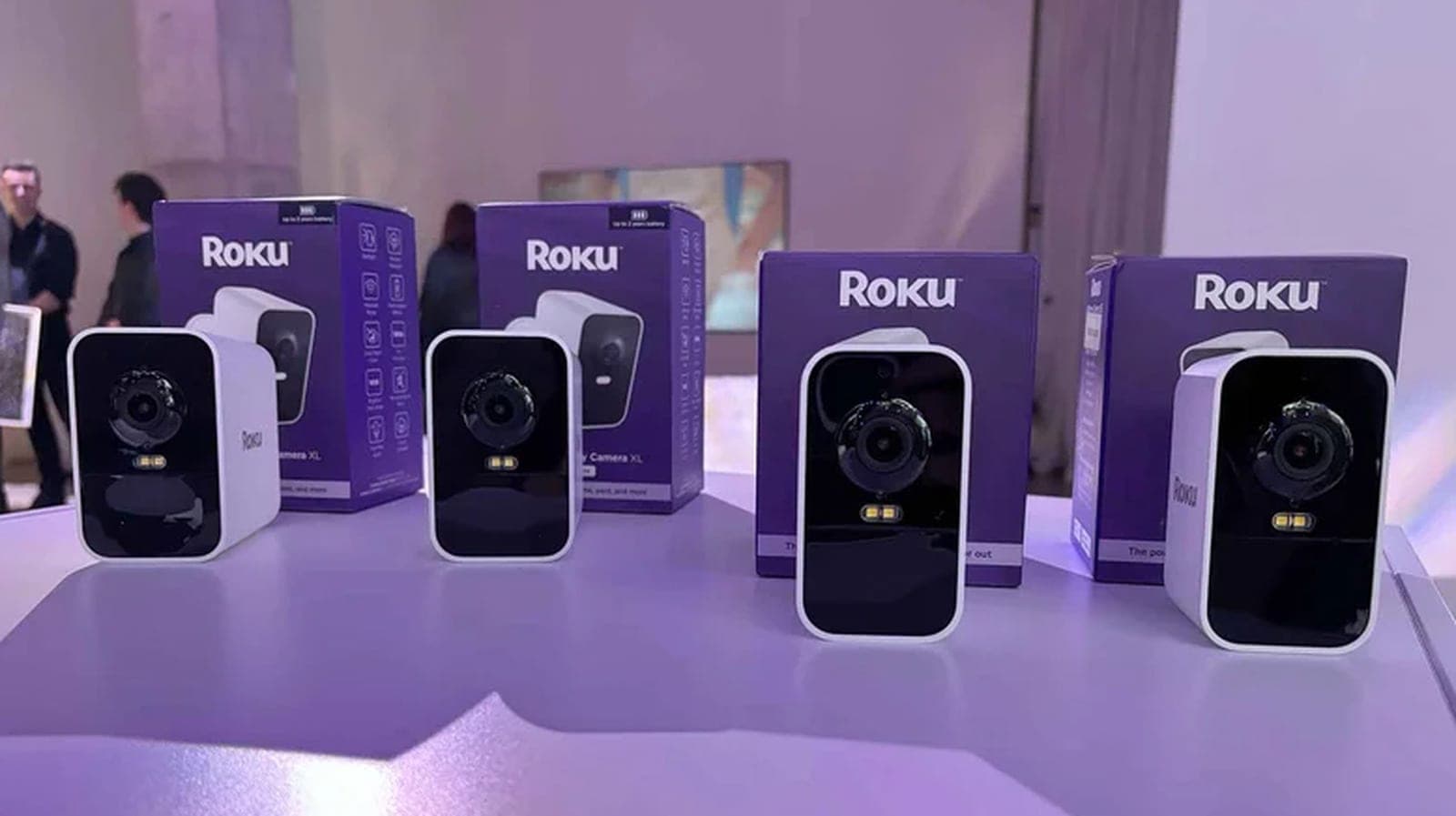
Later, Roku moved to its own designs. A spokesperson explained at the time that going alone gave the company more control over the app and the experience. Newer Roku-designed battery cameras, priced at $49 and $59 when they were announced, also showed off a feature Roku liked to stress: live camera feeds could appear on your TV through a Roku player.
The big picture: the pitch made sense on paper. If a Roku box is already the center of your living room screen, why not let it show your front door too?
What do the numbers say?
The business case looks harder than the pitch. In its third-quarter report earlier this month, Roku said revenue from devices grew 33 percent from a year earlier, to about $194 million. But hardware losses more than doubled, from $22.9 million to $48.6 million.
Roku blamed those losses largely on higher prices for memory components. Memory chips are the parts that let a device hold data while it works, and they are in nearly every gadget with a screen or a camera.
By the numbers: the company's overall revenue in the quarter was about $1.5 billion, up 24 percent. Most of it came from its platform business, which means ads and subscriptions, not gadgets.
Roku also said that the devices revenue number covers its own players and its own TVs, not Roku-branded sets made by other companies. Its own TVs exceeded expectations last quarter, and the company has since launched its first OLED sets. OLED screens light each pixel on their own, which gives deep blacks.
Was this a surprise?
Not really. Lowpass noted that Roku has been moving away from smart home products for several months. The company stopped mentioning such devices in its earnings reports earlier this year.
The shift also fits a wider pattern. Roku shut down its community forums at the end of 2025, and it has been narrowing what it does.
The timing grabs attention, though. Fox finished its purchase of Roku on November 6, and the smart home confirmation arrived days later. For the deal itself, see our story on Fox completing its Roku purchase.
The catch: nobody said the deal caused the decision. The signs of a retreat were public well before the deal closed, so the safest reading is that both events point in the same direction: a simpler Roku.
What did the Roku cameras offer?
The newer Roku-designed battery cameras were the clearest sign of how far the line had come. Both models record in 1080p video and carry an IP65 rating, which means they resist dust and low-pressure water jets from any angle. Both also have a built-in spotlight, two-way audio and motion alerts.
The cheaper model, at $49, ran up to six months on a battery. The Plus model, at $59, ran up to two years. An optional solar panel was meant to keep them going almost indefinitely.
Some features cost extra. Person, package, vehicle and pet detection needed a Roku home security plan. It started at $3.99 a month for one camera, with a second camera adding $3.99 a month, or $9.99 a month for all your cameras.
Why it matters: if you own one of these cameras, the paid plan is the part to watch. Roku has promised services will continue, so the plan is expected to keep working for now.
What happens to the gear you own?
Roku says it will provide continued support and services for Roku Smart Home products. In plain words, your camera or doorbell should keep working, and the app should keep running.
There are limits to what the statement covers. Roku has not said how long support will last, and it has not said whether new features will arrive. A product that is no longer sold usually gets fewer updates over time.
If you rely on a Roku camera for security, a few simple habits help:
- Update now: install any available firmware (the software built into the device) while updates still arrive.
- Save what matters: download clips you want to keep, because cloud storage plans depend on the service staying up.
- Check your plan: some features, such as person and package alerts, needed a paid Roku home security plan.
What it means for you
- If you own Roku smart home gear: nothing stops today. Support and services continue, so keep using it.
- If you were about to buy one: stock is nearly gone, and new buyers get a product that is no longer being sold. Consider another brand with a longer future.
- If you only use Roku for streaming: nothing changes. Players and TVs are the heart of what the company says it wants to do.
The bottom line
Roku is stepping back from the smart home so it can put its energy into streaming. Owners keep their support, and the store shelves are nearly empty.
It is a small chapter in a big year for the company, which now has a new owner and a much clearer job: help you find something to watch.
Key facts
- Company
- Roku
- What stops
- Sales of smart home hardware
- Still in stock
- Indoor Camera 360 and Video Doorbell and Chime
- Existing owners
- Support and services continue
- Q3 devices loss
- $48.6 million, up from $22.9 million
Got questions?
Quick answers, plain wordsIs Roku leaving the smart home business?
Yes. A Roku spokesperson said the company plans to wind down sales of smart home hardware, and that it is sharpening its focus on being the top streaming platform.
Will my Roku camera or doorbell stop working?
Roku says it will provide continued support and services for Roku Smart Home products. Nothing in the announcement says existing devices will be switched off.
Which Roku smart home products are still for sale?
Only two were left on Roku's web store when the news came out, the Roku Indoor Camera 360 and the Roku Video Doorbell and Chime. Both were being sold as special offers.
Why is Roku doing this?
Roku calls it a focus on its core mission, streaming. Its latest earnings also showed that hardware losses more than doubled in the third quarter, mostly because of higher memory costs.
Does this have anything to do with Fox buying Roku?
The timing is close, because Fox finished the deal days earlier. But the shift has been visible for months, and Roku stopped mentioning smart home devices in its earnings reports earlier this year.
Who made Roku's first smart home devices?
Wyze. Roku entered the smart home market in 2022 by selling rebadged Wyze products, then moved to its own designs later.
Do Roku streaming players and TVs go away too?
No. Roku says its own players and TVs are part of its core business, and its own TVs exceeded expectations last quarter.
Can I still buy Roku smart home devices elsewhere?
Some are still around in small numbers, but many third-party stores no longer carry them. Amazon, for example, was listing only refurbished models.
What is a smart home device?
It is a gadget that connects to your Wi-Fi so you can control it from an app, like a camera, a doorbell, a light bulb or a plug.
SourcesLowpass
Topics and tagsroku, smart home, streaming, fox
Related stories
Fox completes its $22 billion purchase of Roku, months early
The streaming TV maker now belongs to Fox. The deal closed in November 2026, long before the first half of 2027 that both companies had planned for.
Google Wallet can now unlock your front door with a tap
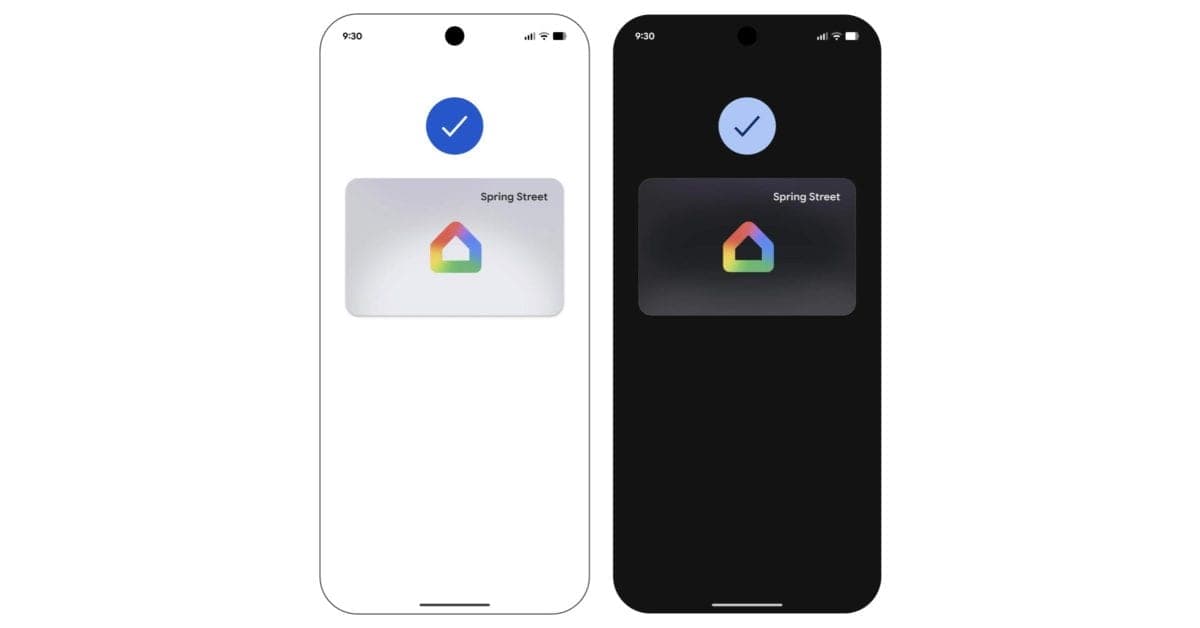
Google Wallet on Android now holds digital home keys for compatible smart locks in Google Home. Tap your phone to open the door, or let it unlock as you walk up.
Peacock reworks its phone app around vertical video and AI search
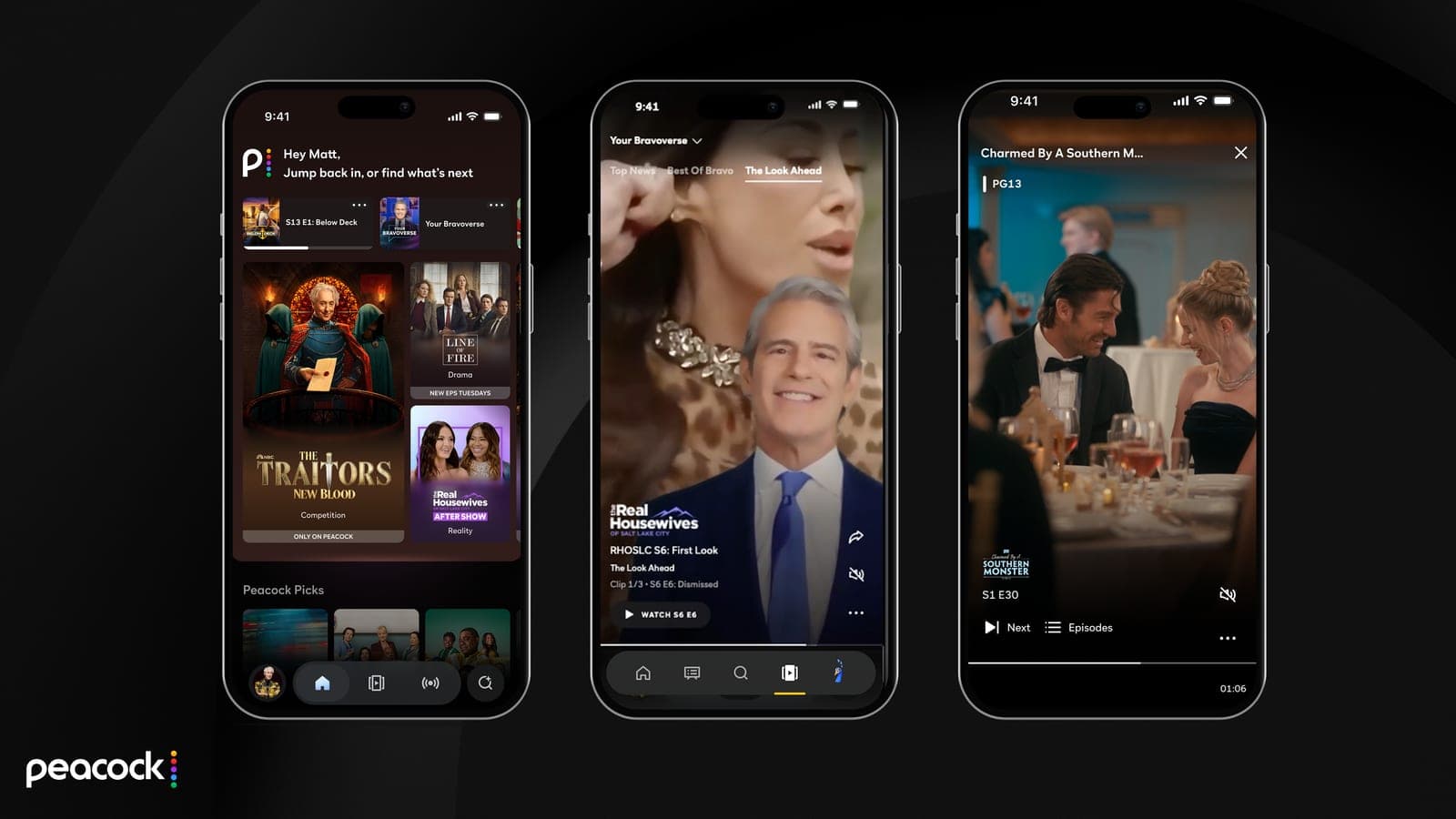
NBCUniversal is testing a new Peacock mobile app with franchise hubs, a player that flips between vertical and horizontal, and a chat-style search.
More in brief
- FAA lifts a nationwide ground stop after a communications outageNov 14
- Tesla opens Cybercab orders at $29,990, plus $299 a month to drive itNov 14
- Apple Sports adds UFC with live stats for every fight on the cardNov 13
- LangChain raises $300 million at a $3 billion valuation for AI agentsNov 13
- SignDrop, a new Windows zero-day, gives attackers full System rightsNov 13
- Microsoft's AI Frontiers research group is over, says co-founder John LangfordNov 13