
Technology·News & analysis
Fox completes its $22 billion purchase of Roku, months early
The streaming TV maker now belongs to Fox. The deal closed in November 2026, long before the first half of 2027 that both companies had planned for.

Tide
Wave
Sci-fi
3/10
Reality
In your hands
The TV remote just got a very big new landlord.How we rate
Fox finished buying Roku for about $22 billion on Friday, months before the first half of 2027 date it gave when the deal was announced in June.
Roku founder Anthony Wood joins Fox's board. The combined company says it is now the third-largest US television business by viewing, with access to more than 100 million streaming households. Fox plans to find $400 million in yearly savings.
What to know
- Fox completed its roughly $22 billion acquisition of Roku on November 6, 2026, far ahead of the first half of 2027 it first expected.
- Fox now reaches more than 100 million streaming households through Roku and says the combined company is the third-largest TV business in the US by viewing.
- Roku founder Anthony Wood joins Fox's board of directors, and Fox says Roku stays an open platform.
- Fox expects $400 million a year in cost savings and paid $160 a share, $96 of it in cash.
Fox has finished buying Roku. The $22 billion deal closed on Friday, November 6, 2026, and Roku now belongs to Fox.
That is the news. Now the interesting question: why did a TV company want the company behind your TV's menu, and what changes when the remote has a new owner?
What exactly happened?
Fox completed its acquisition of Roku on Friday. The deal brings the streaming company, founded in 2002, formally under Fox's ownership.
Fox says the combined company is now the third-largest television business in the US by viewership. That means by how many people watch.
Roku founder Anthony Wood put it this way: "We started Roku more than two decades ago to give people a better way to watch TV, and that mission doesn't change today. What does change is our reach and resources."
He added that Roku's teams will keep building as they always have, "now with the support and capabilities of Fox behind us."
What's next: Wood joins Fox's board of directors. Reports also say he will co-chair a new unit that brings together Tubi, Fox One and Roku.
Why is this deal early?
When Fox announced the deal in June 2026, the companies said it would close in the first half of 2027. It closed about six months ahead of the earliest part of that window.
The reason is that US regulators moved faster than expected. About two months ago, the Justice Department sent both companies a "second request." That is a formal ask for more documents and data during an antitrust review. Antitrust review is the check regulators run to see whether a deal would hurt competition.
Earlier this month, reports said the deal was nearing US approval. Now it is done.
In real life Think of a second request like a teacher asking to see your homework again. It doesn't mean you failed. It means they want a closer look before they sign off.
What did Fox pay?
Fox agreed to pay $160 a share, which values Roku at about $22 billion including its debt. That is called an enterprise value: the price of the whole business, not just its shares.
The payment is a mix of cash and Fox stock:
- Cash: $96 a share, roughly $14.2 billion in total.
- Stock: 0.9693 shares of Fox Class A stock for each Roku share.
- Ownership: after closing, Fox shareholders own about 73% of the combined company, and former Roku shareholders own about 27%.
Fox lined up $12 billion in bridge financing from Morgan Stanley to cover the cash part. A bridge loan is a short-term loan that holds things together until longer-term funding is in place.
Fox said its debt after the deal would be about 2.8 times its yearly earnings. Companies use that kind of ratio to show how heavy their debt is.
What does Fox get with Roku?
The big prize is reach. Roku gives Fox a direct line to more than 100 million streaming households, which are homes that watch TV over the internet.
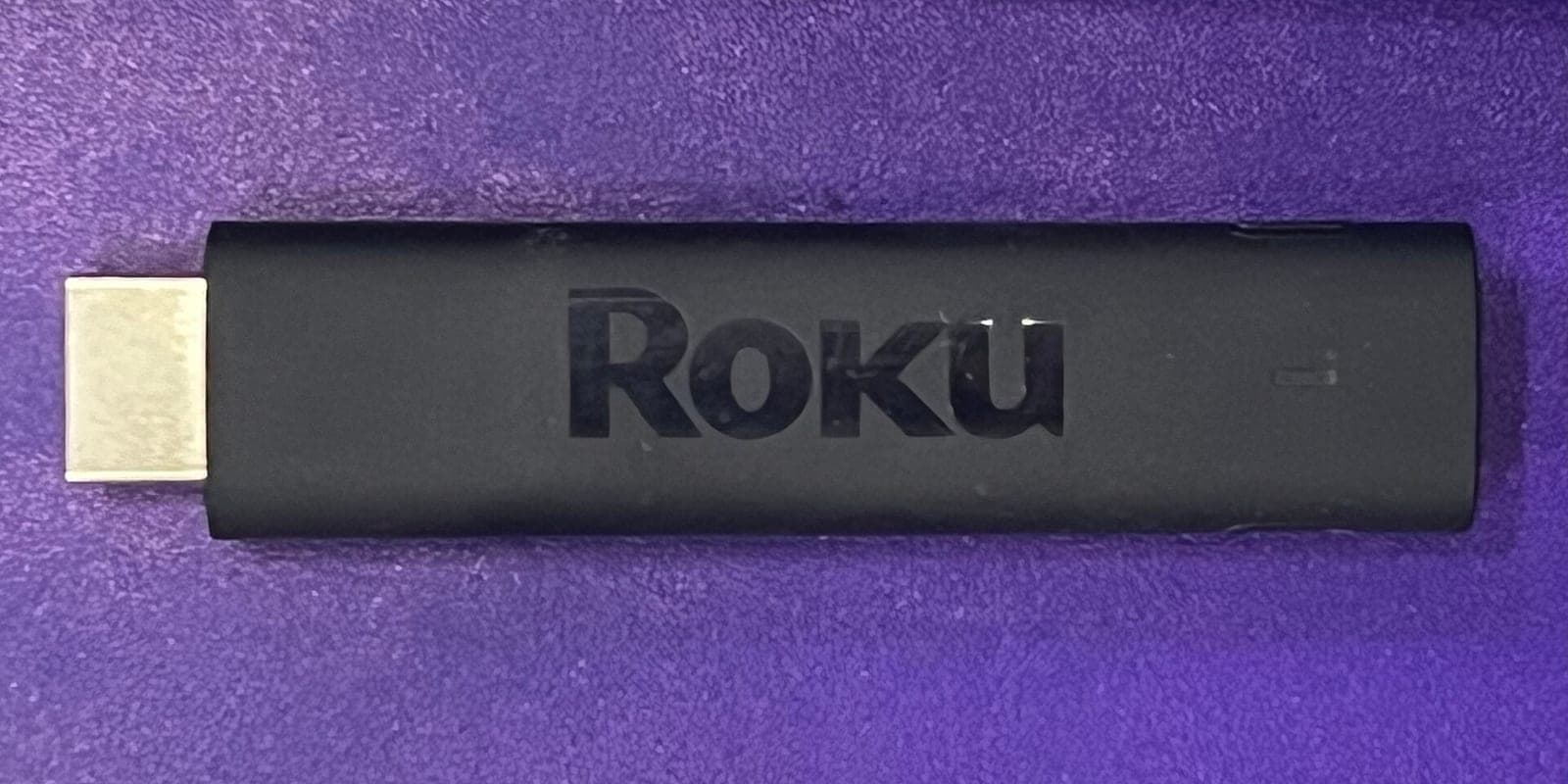
Fox also gets Roku's platform. Roku makes the operating system for many smart TVs and streaming sticks. An operating system is the basic software that runs a device, like Windows on a computer. On a Roku TV, it is the menu you see before you open any app.
Roku also runs The Roku Channel, its own streaming service, and sells ads that appear on its platform.
Fox already owns Tubi, a free streaming service paid for by ads. Fox bought it in 2020, and it now has more than 100 million monthly users. Services like this are called FAST, short for free ad-supported streaming TV.
Fox also runs Fox One, its paid streaming service, and owns live sports, news and entertainment. Fox CEO Lachlan Murdoch said the deal brings together "the most valuable live content portfolio in video consumption" with the platform "through which America watches it."
Why does a TV company want a TV menu?
Because advertising follows the viewers, and viewers are moving to streaming. This kind of TV is called connected TV: a TV that is connected to the internet.
Fox says Roku's audience will help it aim ads better, strengthen its place in the fast-growing connected TV market, and rely less on traditional TV distribution. Traditional distribution means cable and satellite bundles.
Murdoch described it as the next step in a plan that began years ago. In 2019 Fox reoriented the company around live news and sports. In 2020 it bought Tubi. Now it owns a platform too.
The big picture: Fox now owns a show shelf, a store and the front door to the store. That is a powerful mix, and it is why this deal drew a closer look from regulators.
Will Roku stay open to everyone?
This is the question many viewers care about. If Fox owns Roku, will it push its own shows and shut out rivals?
Both companies pledged to keep Roku an open, partner-friendly platform. Murdoch pointed to relationships with competitors such as Netflix, Amazon and Disney. He noted that a platform business depends on those partners promoting it.
That is a promise, not a rule, so it is worth watching. For now, the apps on your Roku are the same ones you had yesterday.
If you want to see how crowded the TV-stick market already is, we covered another big player in Amazon's new Fire TV Stick 4K with Alexa Plus.
How did we get here?
Here is the short timeline of the deal and the road to it:
- 2019: Fox reoriented the company around live news and sports.
- 2020: Fox acquired Tubi, its free streaming service.
- 2025: Fox launched Fox One, its paid direct-to-viewer streaming service.
- June 2026: Fox announced it would buy Roku for $160 a share. Both boards approved it unanimously.
- September 2026: the Justice Department sent both companies its second request.
- November 6, 2026: the deal closed.
At the announcement, Murdoch called the deal "a defining moment" for Fox. Wood described it as "an extraordinary opportunity to accelerate our vision, scale faster and innovate more aggressively."
What about the money Fox hopes to save?
Fox expects about $400 million a year in cost savings from combining the two companies. The deal papers call these "run-rate cost synergies." In plain words, that is money saved each year by sharing teams, tools and spending once two companies become one.
Fox also expects the deal to add to its free cash flow per share. Free cash flow is the cash left over after a company pays its bills and investments.
Companies often promise savings in a merger. Whether they show up is something you can only check after a year or two. For now it is Fox's own target.
What it means for you
- Your devices keep working: nothing in the announcement changes how current Roku TVs and sticks run.
- Expect more Fox and Tubi: with one owner, Tubi and Fox's content may show up more often in Roku menus. Fox has not announced details.
- Ads may get more targeted: Fox says Roku's audience will help it improve ad targeting.
- Rival apps are meant to stay: both companies say Roku will remain open to partners such as Netflix, Amazon and Disney.
The bottom line
A company that makes live sports and news now also owns the menu that millions of people use to watch TV. It happened months faster than planned.
The promises are friendly: an open platform, the same mission, the same teams. The real answer arrives in your menu over the next year.
Key facts
- Price
- About $22 billion, or $160 a share
- Payment
- $96 in cash plus 0.9693 Fox Class A shares per Roku share
- Closed
- November 6, 2026
- Reach
- More than 100 million streaming households
- Expected savings
- $400 million a year
Got questions?
Quick answers, plain wordsDid Fox really buy Roku?
Yes. Fox completed the acquisition on November 6, 2026. Roku is now owned by Fox, and its founder Anthony Wood joins the Fox board.
How much did Fox pay for Roku?
Fox paid $160 a share, which values Roku at about $22 billion including debt. Of that, $96 a share was cash, and the rest was Fox Class A stock at 0.9693 Fox shares per Roku share.
When was the deal expected to close?
When Fox announced it in June 2026, both companies said they expected to finish in the first half of 2027. It closed several months earlier than that.
What is Roku?
Roku was founded in 2002 by Anthony Wood. It makes the software that runs many smart TVs and streaming sticks, runs The Roku Channel, and sells ads on its platform.
What is Tubi?
Tubi is Fox's free streaming service, paid for by ads. Fox bought it in 2020, and it now has more than 100 million monthly users.
Will Roku still work with Netflix, Amazon and Disney?
Fox and Roku say they will keep Roku an open, partner-friendly platform. Fox CEO Lachlan Murdoch pointed to relationships with rivals such as Netflix, Amazon and Disney, which rely on Roku to reach viewers.
Do I need to do anything with my Roku device?
No. Nothing in the announcement changes how current Roku devices work. Roku's founder said the company's mission does not change.
Did regulators approve the deal?
The Justice Department asked both companies for more documents in September as part of its antitrust review. Reports in early November said the deal was close to US approval, and the deal then closed.
How did Fox pay for it?
Fox used cash and stock. Morgan Stanley provided $12 billion in bridge financing, a short-term loan that covers the cash until longer-term funding is arranged.
What will Fox gain from Roku?
Fox gets direct access to Roku's viewers, a stronger position in connected TV advertising, and less reliance on traditional TV distribution. It also expects $400 million a year in cost savings.
SourcesTechCrunch
Topics and tagsFunding & deals, fox, roku, streaming
Related stories
Netflix lays off about 1,000 people, its biggest job cuts since 2022
Netflix is cutting roughly 6% of its staff, mostly in product, tech, legal and HR, a week before its next earnings report.
The Emmys are leaving broadcast TV for Prime Video, and they'll stream free worldwide
A six-year deal makes Amazon's Prime Video the exclusive home of the Primetime Emmys from 2027, ending a decades-old rotation among ABC, CBS, Fox and NBC. You won't need a Prime subscription to watch.
Paramount closes its $110B Warner Bros. Discovery deal, creating Skydance
The merger puts Paramount+, HBO Max, CBS, CNN and two major film studios under David Ellison. The new company says it will find $6 billion in savings, partly by combining streaming tech.
More in brief
- YouTube is going back on the Billboard charts in 2027Nov 9
- Apple starts selling $50 packs for extra Apple Intelligence useNov 9
- Windows 11 tests a way to switch off the Sticky Keys popup for goodNov 9
- US regulators question whether Waymo's school bus fix workedNov 9
- NVIDIA unveils GR00T 2 and Isaac Lab 3.0 to teach robots delicate workNov 9
- Tesla launches its robotaxi service in San Antonio, its eighth cityNov 9