
AI·News & analysis
OpenAI launches ChatGPT Space, a shared workspace that looks a lot like an office suite
OpenAI unveiled ChatGPT Space at DevDay 2026, a shared workspace with AI-native documents and slides that puts it in direct competition with Microsoft Office and Google Workspace.
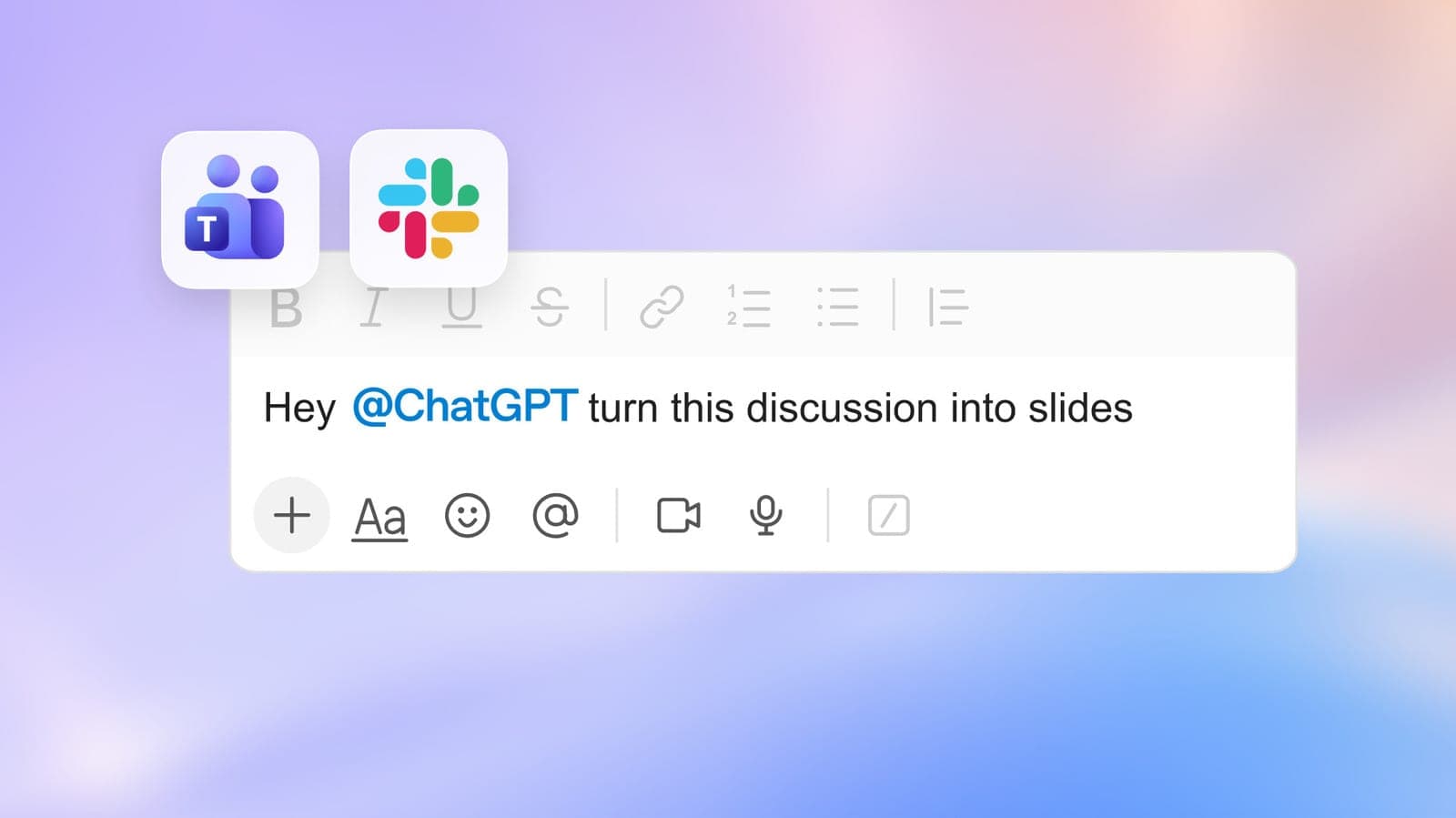
OpenAI launched ChatGPT Space at DevDay 2026, a shared team workspace with AI-native documents and slides, expanding well beyond conversational AI into document creation and collaboration.
Combined with Dots, the always-on AI agents also announced at DevDay, OpenAI is positioning ChatGPT as infrastructure teams work inside all day, not just a tool they occasionally query. That directly challenges Microsoft and Google's decades-long dominance of workplace software. Whether teams actually migrate daily work into Space will determine how far this goes.
What to know
- OpenAI launched ChatGPT Space at DevDay 2026, a shared team workspace built around AI-native documents called Pages and a new collaborative slides editor.
- Pages let users write, research, generate charts, create images, and visualize data directly inside a document, alongside human and AI collaborators.
- Space integrates directly with Slack and Microsoft Teams via @ChatGPT mentions, letting teams pull ChatGPT into existing conversations rather than switching apps.
- The launch puts OpenAI in direct competition with Microsoft Office 365 and Google Workspace, alongside Slack and Notion.
- Space is available now on Pro, Business, and Enterprise plans through desktop and web, with mobile access coming later.
OpenAI just gave ChatGPT a shared team workspace with documents and slides, and it looks a lot less like a chatbot and a lot more like a full office suite.
What launched
At DevDay 2026 in San Francisco, OpenAI unveiled ChatGPT Space, a shared workspace where teams build pages, slides, and tasks together with ChatGPT, without switching to separate apps to get the work done.
- Pages: a new AI-native document type for writing, research, chart generation, and data visualization.
- Collaborative Slides: a presentation editor with native charts, text, shapes, and images, exportable to PowerPoint or Google Slides.
- Chat integration: direct @ChatGPT mentions inside Slack and Microsoft Teams conversations.
The catch: this isn't a chatbot feature bolted onto existing software. It's a standalone workspace competing directly with the tools teams already use every day.
How Pages actually work
CEO Sam Altman described the underlying idea directly: "Your pages and files all live together in Space, like they would in a drive. But spaces feel alive." Pages can be assigned specific ongoing tasks, like monitoring a team channel and automatically updating content based on what happens there.
Anything a user can already do in a regular ChatGPT conversation, writing, researching, generating charts or images, can now happen directly inside a persistent, shareable document instead of disappearing into chat history.
That persistence is the meaningful shift. A ChatGPT conversation is ephemeral by nature; a Page is a living document a team keeps coming back to and building on.
Slides, built for collaboration
The Collaborative Slides feature extends that same idea to presentations. Multiple team members and AI agents can edit a deck simultaneously, leave comments, and make revisions in real time, with native support for editable charts, shapes, and text rather than static, AI-generated images pasted into a template.
By the numbers: the feature is described as suited equally to a financial analysis or a client pitch deck, and slides created in Space can be exported directly to PowerPoint or Google Slides, keeping compatibility with whatever tools a team's clients or partners already use.
That export capability matters strategically. It lowers the switching cost for teams trying Space without requiring everyone downstream to also adopt OpenAI's tools.
Meeting teams where they already work
Rather than requiring teams to abandon Slack or Microsoft Teams to use these new features, OpenAI built direct integration into both. Typing "@ChatGPT" inside an existing Slack or Teams conversation pulls ChatGPT into that discussion directly.
Why it matters: this is a deliberate wedge strategy. Instead of asking teams to migrate entirely to a new workspace on day one, OpenAI is inserting itself into the communication tools teams already use daily, then offering Space as the place that work naturally migrates to over time.
Dots fit into the same picture
Space doesn't exist in isolation from OpenAI's other major DevDay announcement. Dots, OpenAI's new always-on AI agents also unveiled at the event, can work directly inside a team's Space, pulling context from the same shared pool of pages and files that human teammates are using.
That integration means a Dot assigned to a project isn't operating from a blank slate. It has access to the same documents, conversation history, and shared knowledge base as the rest of the team, a meaningfully different setup than a general-purpose chatbot with no persistent memory of a specific project's context.
Who can use it and when
Space is available now for OpenAI's Pro, Business, and Enterprise subscribers, launching first on the ChatGPT desktop app and web, with mobile access arriving in a later update. The Collaborative Slides feature specifically is still rolling out over the coming weeks rather than being fully available at launch.
That staggered rollout suggests OpenAI is prioritizing getting the core Pages and workspace functionality into users' hands first, with the more complex real-time multi-editor slides experience following once it's ready.
The marketplace behind the platform
Space didn't launch alone. OpenAI also unveiled a partner marketplace with its first 32 partners spanning creative tools like Adobe and Figma, customer experience platforms including Salesforce, HubSpot, and ServiceNow, legal tools from Harvey and Legora, and cybersecurity partners like Palo Alto Networks and CrowdStrike.
How it works for enterprise customers: eligible businesses can apply part of their existing OpenAI spending commitment toward approved partner software, effectively turning an OpenAI subscription into a budget line that stretches across an entire ecosystem of business tools rather than just ChatGPT itself.
A related feature called "Sign in with ChatGPT" lets Plus and Pro users spend their usage allowance across 16 additional partner tools, including Notion and Vercel, using their existing ChatGPT account rather than juggling separate logins and separate subscriptions for each one.
New pricing at the top of the lineup
DevDay also brought a new top-tier subscription: Pro 500, priced at $500 a month. It offers 25 times the usage allowance of a standard ChatGPT Plus subscription and includes access to "Ultrafast," a faster processing tier that lets Codex and the new Work apps generate up to 300 tokens per second.
Why a $500 tier matters here: it signals OpenAI expects genuinely heavy, professional daily usage of tools like Space and Dots, priced for teams and power users who need speed and volume Space's collaborative features make possible, rather than casual chatbot use.
Why this is a bigger deal than a feature launch
Multiple outlets covering the announcement have framed it as OpenAI repositioning ChatGPT entirely, moving from a conversational chatbot into an extensible platform with its own plugin ecosystem and partner marketplace. That reframing puts ChatGPT on a collision course with a genuinely wide set of established tools: Slack, Notion, Google Workspace, and ultimately Microsoft Office and Windows itself.
That's a notably larger ambition than most AI product launches. Rather than competing narrowly with other chatbots, OpenAI is now directly targeting the software categories that define how millions of people spend their actual workday, the deepest kind of product entrenchment a company can attempt.
Microsoft's awkward position
This launch is especially pointed given OpenAI and Microsoft's relationship. Microsoft remains one of OpenAI's largest investors and technology partners, yet ChatGPT has already built a substantial lead over Microsoft's own Copilot in the consumer market, with ChatGPT reportedly seeing roughly 900 million downloads compared to Copilot's 79 million.
Why that gap matters for Space specifically: by generating finished, Office-format documents and slide decks directly inside ChatGPT, OpenAI is now competing on ground Microsoft has controlled for decades through native Word, Excel, and PowerPoint integration. Reports have described Microsoft's own sales teams as caught off guard by ChatGPT's enterprise traction, even as they push to get Copilot into as many business accounts as possible.
That dynamic has already reshaped how Microsoft relates to OpenAI technically. Microsoft has reportedly diversified its own AI strategy into a three-way hedge between OpenAI's models, Anthropic's Claude, and its own in-house MAI models, rather than depending on OpenAI exclusively the way it once did.
The bottom line
ChatGPT Space is OpenAI's most direct move yet into workplace software Microsoft and Google have dominated for decades, built around the bet that AI-native documents and presentations can compete with tools built long before generative AI existed. Whether teams actually migrate their daily work into Space, rather than treating it as a novelty alongside their existing office suite, will determine whether this becomes a genuine platform shift or just another feature announcement.
Key facts
- Product
- ChatGPT Space
- Core features
- Pages (documents) and Collaborative Slides
- Chat integrations
- Slack and Microsoft Teams via @ChatGPT
- Available plans
- Pro, Business, Enterprise
- Announced at
- OpenAI DevDay 2026, San Francisco
Got questions?
Quick answers, plain wordsWhat is ChatGPT Space?
A shared team workspace inside ChatGPT where members build documents, presentations, and tasks together with ChatGPT and AI agents, rather than moving work to separate tools.
What are Pages?
A new document type built for human-and-AI collaboration. Inside a Page, users can write, research, generate charts, create images, and visualize data, similar to what's possible in a regular ChatGPT conversation but persisted as a living document.
What about presentations?
Space includes a collaborative slides editor with native, editable charts, text, shapes, and images. Multiple people and agents can edit simultaneously, and slides can be exported to PowerPoint or Google Slides. This feature is rolling out over the coming weeks.
How does it connect to Slack and Teams?
Users can @mention ChatGPT directly inside Slack or Microsoft Teams conversations to pull it into existing discussions, rather than needing to switch to the ChatGPT app to get AI help.
How does it relate to Dots, the other DevDay announcement?
Dots are OpenAI's new always-on AI agents, also announced at DevDay. Inside Space, a user's Dot can work from the same shared pool of project knowledge as human teammates, pulling context from pages and files.
Who can use it right now?
Space is available now for users on OpenAI's Pro, Business, and Enterprise plans, starting on the ChatGPT desktop app and web, with mobile access coming later.
How is this different from Microsoft 365 Copilot or Google Workspace?
Rather than adding AI features to an existing office suite, OpenAI built Space natively around AI-human collaboration from the ground up, positioning it as a direct alternative to those tools rather than a plugin on top of them.
What's the bigger strategic move here?
Analysts describe it as OpenAI repositioning ChatGPT from a standalone chatbot into an extensible platform, opening plugin integrations and a partner marketplace that pushes it into direct competition with Slack, Notion, Google Workspace, and ultimately Microsoft Office itself.
SourcesTechCrunch
Topics and tagsOpenAI, Google, Microsoft, Space tech
Related stories

OpenAI just launched Dots, its answer to Meta's AI agent that's had investors buzzing all month
OpenAI unveiled Dots at DevDay, always-on AI agents with their own cloud computer, three weeks after Meta's Muse agent helped send Meta stock up 29% this month.
ChatGPT can now show you wearing clothes before you buy them
OpenAI launched virtual try-on and a Favorites list in ChatGPT's shopping results worldwide. Upload a photo of yourself and see how a jacket or accessory might look on you.
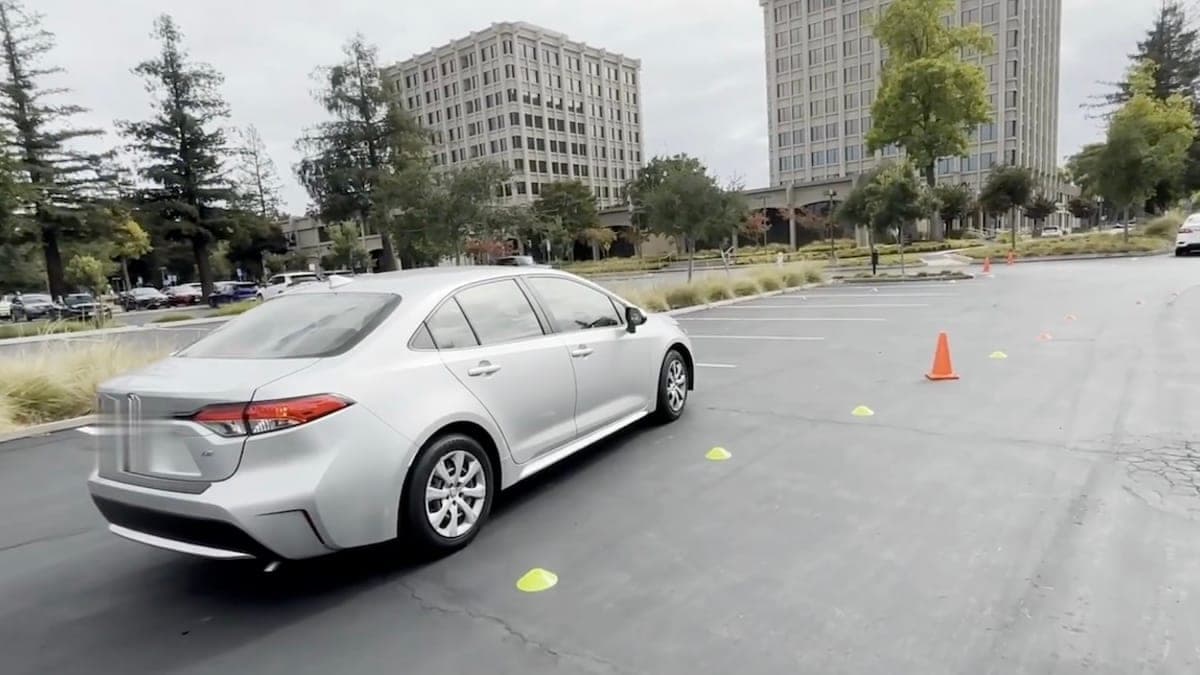
Three tech workers made ChatGPT drive a real Toyota Corolla
A Bay Area side project called DrivingBench wired four AI chatbots into a rented Corolla's steering, gas and brakes, then asked them to drive through a cone course. Only one finished.
More in brief
- California will fine robotaxi companies that block first responders for over 30 minutesOct 2
- Microsoft launches real-time transcription and new voice models for AI voice agentsOct 1
- Apple's smart home hub reportedly launches October 13, with a camera that never records videoOct 1
- Cloudflare releases Clef, open-weight AI models that make yes-or-no decisions fastOct 1
- GrayKey maker reportedly found a way around the iPhone's Inactivity RebootOct 1
- Fervo's Cape Station becomes the first enhanced geothermal plant to sell power commerciallyOct 1