
Technology·News & analysis
Nothing's $399 Headphone (1) Pro adds three drivers per ear and a studio EQ switch
Nothing launched the Headphone (1) Pro, a $399 flagship with three drivers per ear, a physical Flat EQ switch built for studio professionals, and Nothing's best noise canceling yet.
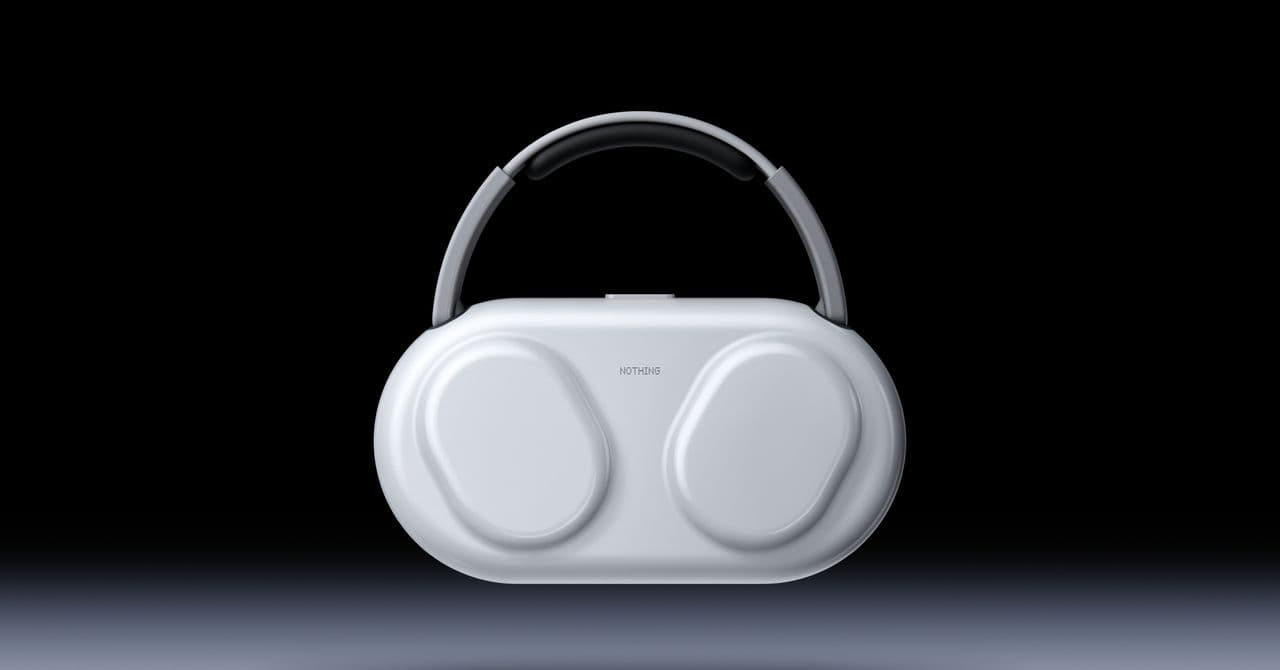
Nothing launched the Headphone (1) Pro at $399, adding a triple-driver design and a physical Flat EQ switch built with Metropolis Studios for studio-style monitoring.
The three-driver setup splits bass, mids, and treble across dedicated drivers instead of one, aiming for clearer, more detailed sound. It ships with Nothing's best noise canceling yet, using 10 microphones versus eight on Apple's AirPods Max. The headphones hit shelves September 29 at Nothing's store, Amazon, and Best Buy.
What to know
- Nothing launched the Headphone (1) Pro at $399, a $100 premium over the standard Headphone (1), with three drivers per ear instead of one.
- A physical Flat EQ switch, developed with Metropolis Studios in London, disables processing for studio-style monitoring, a feature The Verge says it hasn't seen before on consumer headphones.
- The headphones use 10 microphones for active noise cancellation, more than Apple's AirPods Max, which use eight.
- Battery life drops to 68 hours with ANC off, down from 80 hours on the standard Headphone (1), and the headphones ship without a folding design.
Nothing wants its new flagship headphones taken seriously by people who actually work in recording studios, not just people who want nice-looking cans for the commute. The Headphone (1) Pro launched Monday at $399.
What's new
The headphones keep Nothing's recognizable transparent-tech aesthetic while making one major change under the hood: three separate drivers per ear instead of the usual single dynamic driver.
- Bass: A 40mm dynamic driver handles low end.
- Mids: A precision dynamic driver tackles vocals, pianos, and guitars.
- Treble: An xMEMS silicon driver handles sharp transients like cymbal hits.
The catch: splitting frequencies across three drivers instead of one adds complexity and cost, part of why the Pro costs $100 more than the standard Headphone (1) at $299.
A switch built for studio work
The standout feature is a physical Flat EQ switch tucked into the inside corner of the left ear cup, developed in partnership with Metropolis Studios, a London recording and mastering space where Mark Ronson produced Amy Winehouse's "Back to Black."
In real life If you're a musician or mixing engineer who wants to hear a track without headphones adding their own coloration, flipping this switch removes the EQ and spatial audio processing so you're hearing something closer to a flat, unprocessed signal.
The Verge's review says it's a feature the reviewer hasn't seen before on consumer headphones, disabling EQ and spatial audio entirely rather than just offering another preset.
Nothing's chief brand officer Charlie Smith framed the appeal broadly rather than as a niche studio tool: "People are making music on the go and need studio-level sound wherever they are."
Flat isn't always better
Flipping the switch does change the sound noticeably. According to The Verge's testing, Nothing's default Balanced EQ pushes mids and highs forward, with present vocals and sizzly cymbals, while Flat EQ pulls those frequencies back in line with the bass.
By the numbers: research on listener preference known as the Harman Curve, developed by Dr. Sean Olive and colleagues, shows most people actually prefer elevated bass, neutral mids, and slightly boosted highs rather than a truly flat response. That means Flat EQ mode is a genuinely useful studio tool, but not necessarily what most casual listeners will want for everyday use.
The reviewer noted a preference for using the app's parametric EQ to tame some high-end edge instead of relying on the Flat EQ switch for regular listening.
That distinction matters for anyone deciding whether the switch is a genuine reason to buy the Pro model. It's a real tool for the specific audience Nothing is courting, working musicians and mixing engineers, rather than a marketing gimmick aimed at everyday listeners who will likely leave it off entirely.
Noise canceling and durability
Nothing says the Headphone (1) Pro has its best active noise cancellation yet, built around 10 microphones filtering ambient sound, compared to eight microphones on Apple's AirPods Max.
The see-through glass panels on the sides, made from 9H Panda glass, show off part of the internal driver architecture. Nothing associate principal industrial designer Philipp Von Lintel told Wired the glass survived durability tests including 18 drops from over a meter, and even if it cracks, an internal plastic film keeps the driver chamber functional. Repair technicians can also heat the glass from outside to remove it for internal repairs.
That repairability detail matters more than it might seem. A lot of premium headphones treat any kind of internal access as effectively impossible without specialized tools, so designing the glass panels to be removable with heat rather than force is a deliberate choice aimed at extending the product's usable life beyond the first crack.
What you give up
Battery life drops to 68 hours with ANC off, compared to 80 hours on the standard Headphone (1), a tradeoff for the added driver hardware and glass construction. The headphones also don't fold, shipping instead with a fitted carrying case similar to Apple's approach with AirPods Max.
They're rated IP52 for dust and water resistance, enough for light rain but not a substitute for actual weatherproofing on a soggy commute. That's a modest rating compared to some rivals, and it's worth checking before relying on these for regular outdoor workouts or unpredictable weather.
There's also a 3.5mm headphone jack included alongside hi-res wireless and USB-C connectivity options, a detail that matters most to anyone still using wired studio monitors, professional audio interfaces, or older equipment that lacks Bluetooth support entirely. It's a small inclusion, but one plenty of flagship headphones have quietly dropped in recent years in favor of wireless-only designs.
How the price stacks up against the big names
At $399, the Headphone (1) Pro undercuts every major premium competitor by a real margin, not just a token discount.
| Headphones | Price |
|---|---|
| Nothing Headphone (1) Pro | $399 |
| Sony WH-1000XM6 | ~$450 |
| Bose QuietComfort Ultra Gen 2 | $459 |
| Apple AirPods Max 2 | ~$549 |
Why it matters: Sony's WH-1000XM6 and Apple's AirPods Max 2 rarely see meaningful discounts outside major sales events, while Nothing is launching below all three from day one. That pricing puts real pressure on buyers who assumed a flagship-tier headphone automatically meant spending $450 or more.
Whether Nothing's triple-driver approach and Flat EQ switch actually compete on sound quality with headphones that have years of tuning behind them is a separate question the company is betting reviewers and customers will answer in its favor.
Nothing's bigger audio push
The Headphone (1) Pro doesn't exist in isolation. Nothing, founded by Carl Pei in 2020, built its reputation on a distinctive transparent design language that shows off the internals of its phones and audio gear, starting with the original Ear (1) earbuds in 2021.
What's next: 2026 alone has brought a steady stream of audio releases from the company, including the Headphone A at $199 and the Ear (3a) earbuds under $100, both of which The Verge's reviewer called solid or surprisingly good. That left an obvious gap at the top of the lineup for something more expensive and more technically ambitious, which is exactly the space the Headphone (1) Pro fills.
Building a following around transparent design and tactile controls has worked well enough for Nothing's phones that extending the same philosophy into premium audio, where established brands like Sony, Bose, and Apple already dominate, is a natural next test of how far that reputation actually travels among a very different, pickier audience of serious audio buyers.
The bottom line
Nothing is betting that real technical differentiation, not just a price bump, is what justifies the "Pro" label this time, and the triple-driver design plus a genuinely unusual Flat EQ switch back that up on paper. Whether casual listeners get more value out of it than Nothing's cheaper Headphone A comes down to whether $100 extra for studio-grade features is worth it for ears that mostly just want the daily commute to sound good.
At $399 against rivals routinely priced above $450, Nothing doesn't need everyone to want the Flat EQ switch specifically. It just needs enough buyers deciding a triple-driver flagship at a lower price is worth trying, which is a much easier sell than convincing an entire market that a challenger brand belongs next to Sony and Apple on the top shelf.
Key facts
- Price
- $399
- Drivers per ear
- 3 (bass, mids, treble)
- Noise canceling mics
- 10 (vs. 8 on AirPods Max)
- Battery life (ANC off)
- 68 hours
- Release date
- September 29, 2026
Got questions?
Quick answers, plain wordsWhat is the Nothing Headphone (1) Pro?
Nothing's new $399 flagship over-ear headphones, featuring a triple-driver design per ear, a physical Flat EQ switch for studio-style monitoring, and improved active noise cancellation.
How much does the Headphone (1) Pro cost?
$399, a $100 increase over the standard Headphone (1), which costs $299.
What makes the triple-driver design different?
Instead of one 40mm dynamic driver handling all frequencies, the Headphone (1) Pro uses a dedicated 40mm bass driver, a precision midrange driver, and an xMEMS silicon treble driver, aiming to reduce muddiness and distortion.
What is the Flat EQ switch?
A physical switch on the inside of the left ear cup that disables EQ processing and spatial audio, letting studio professionals hear audio without added coloration. It was developed with Metropolis Studios in London.
Is Flat EQ good for everyday listening?
Not necessarily. The Verge's review notes that research on listener preference, known as the Harman Curve, shows most people actually prefer boosted bass and slightly elevated highs rather than a flat response, so Flat EQ is more useful for studio monitoring than casual listening.
How does the noise canceling compare to competitors?
The Headphone (1) Pro uses 10 microphones for noise cancellation, compared to eight on Apple's AirPods Max, according to Nothing.
What is the battery life?
68 hours with active noise canceling turned off, down from 80 hours on the standard Headphone (1), reflecting a tradeoff for the added driver hardware.
Do the Headphone (1) Pro fold up for travel?
No. Like Apple's AirPods Max, they ship with a fitted carrying case instead of a folding hinge design.
Where can I buy the Headphone (1) Pro?
They go on sale September 29 through Nothing's own online store, Amazon, and Best Buy stores across North America.
What materials are the headphones made from?
Mostly aluminum with titanium accents, plus 9H Panda glass panels on the sides that let you see part of the internal driver architecture, which Nothing says is shatter- and scratch-resistant.
SourcesWired
Topics and tagsnothing, headphones, audio, product launch
Related stories
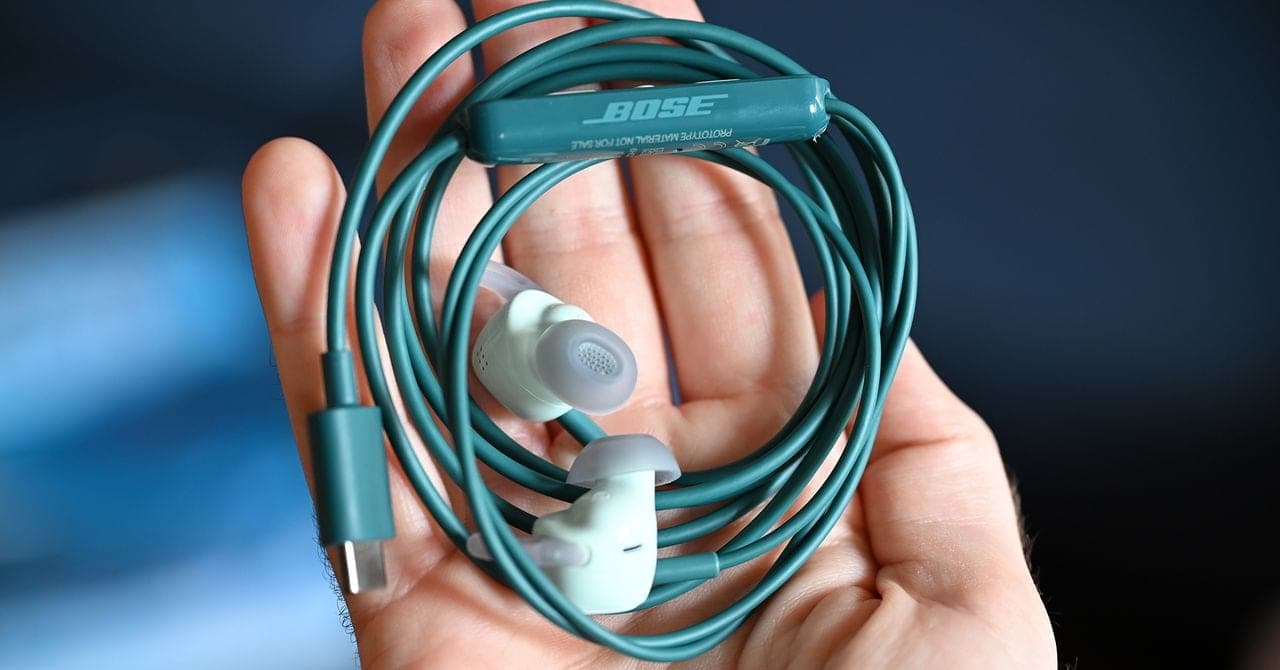
Bose brings back wired earbuds after 11 years, banking on a Gen Z trend
The $99 Bose Noise Cancelling Wired Earbuds ditch Bluetooth and batteries for a USB-C cable, betting that a real wired-headphone sales rebound driven by Gen Z will stick.
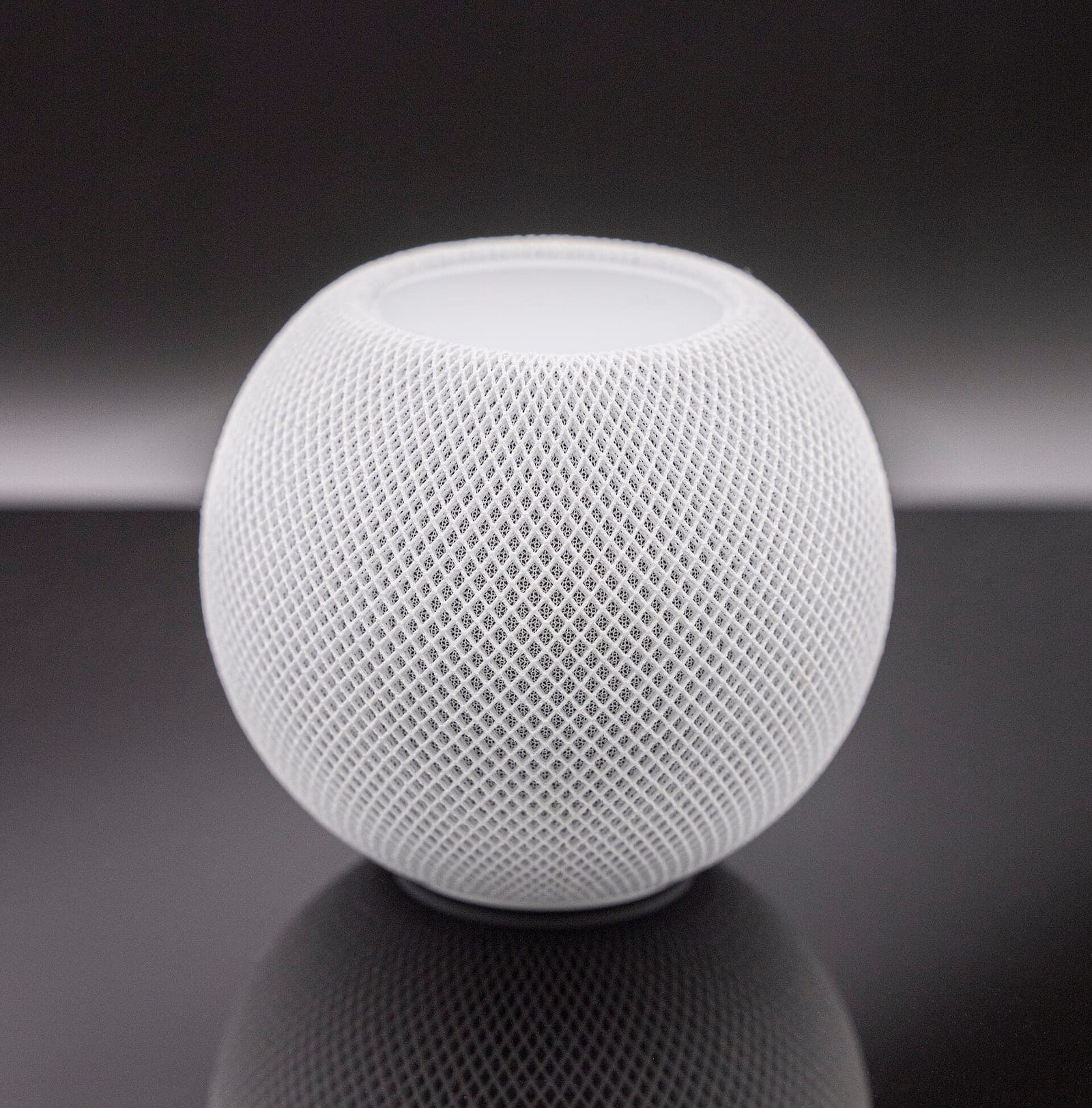
Apple's smart home hub reportedly launches October 13, with a camera that never records video
Bloomberg's Mark Gurman says Apple will announce its long-rumored smart home display on October 13. He also describes a companion home camera that sends text descriptions instead of video.
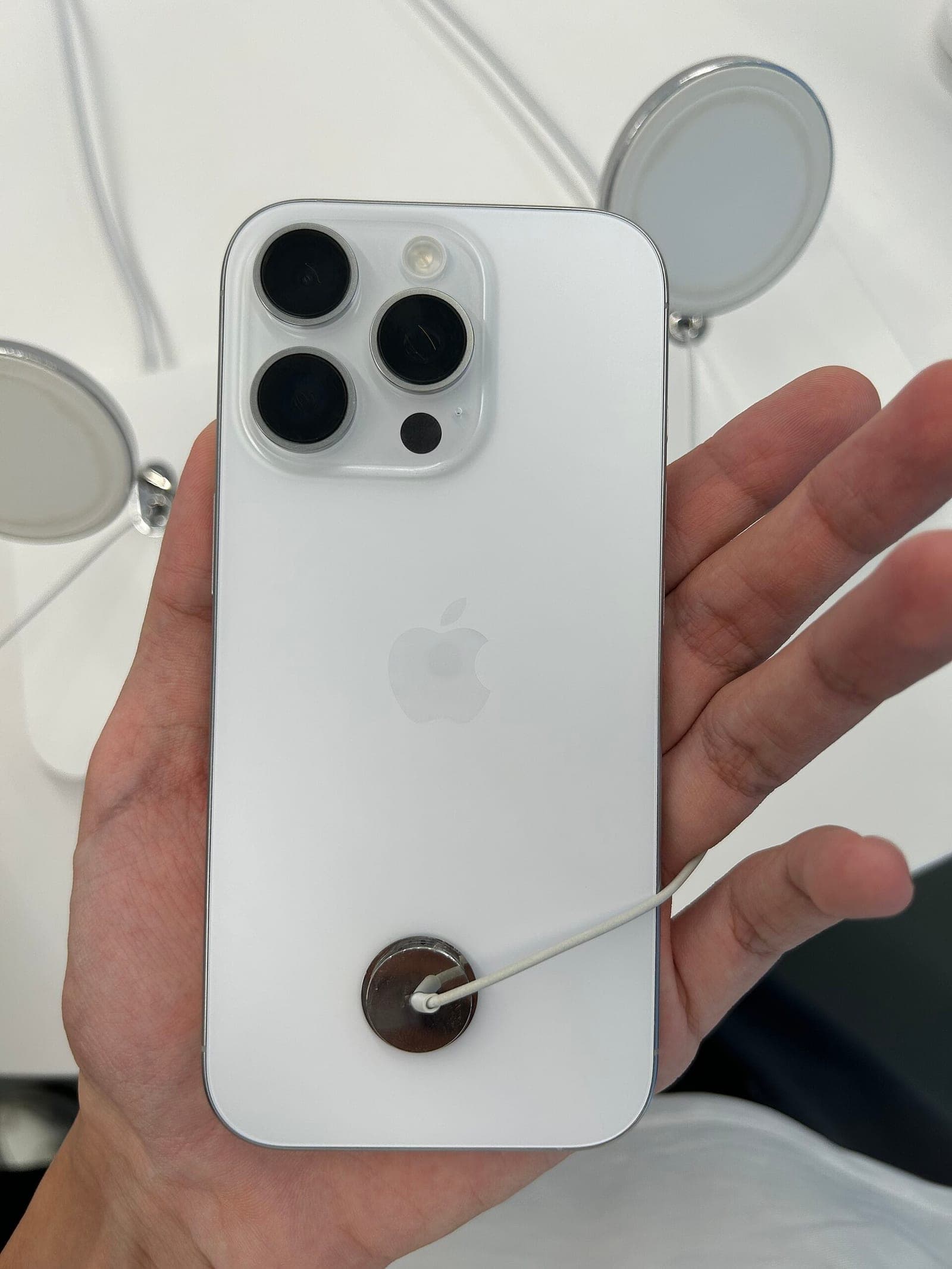
GrayKey maker reportedly found a way around the iPhone's Inactivity Reboot
A leaked training video seen by 404 Media says Magnet Forensics' new tools keep a seized iPhone in an easier-to-search state, even after the reboot Apple added in iOS 18.1.
More in brief
- arXiv limits researchers to two papers a month as AI drives submissions to a recordOct 2
- California will fine robotaxi companies that block first responders for over 30 minutesOct 2
- Microsoft launches real-time transcription and new voice models for AI voice agentsOct 1
- Cloudflare releases Clef, open-weight AI models that make yes-or-no decisions fastOct 1
- Fervo's Cape Station becomes the first enhanced geothermal plant to sell power commerciallyOct 1
- Cloudflare renames its data platform Basin and makes it generally availableOct 1