
Technology·News & analysis
Bose brings back wired earbuds after 11 years, banking on a Gen Z trend
The $99 Bose Noise Cancelling Wired Earbuds ditch Bluetooth and batteries for a USB-C cable, betting that a real wired-headphone sales rebound driven by Gen Z will stick.
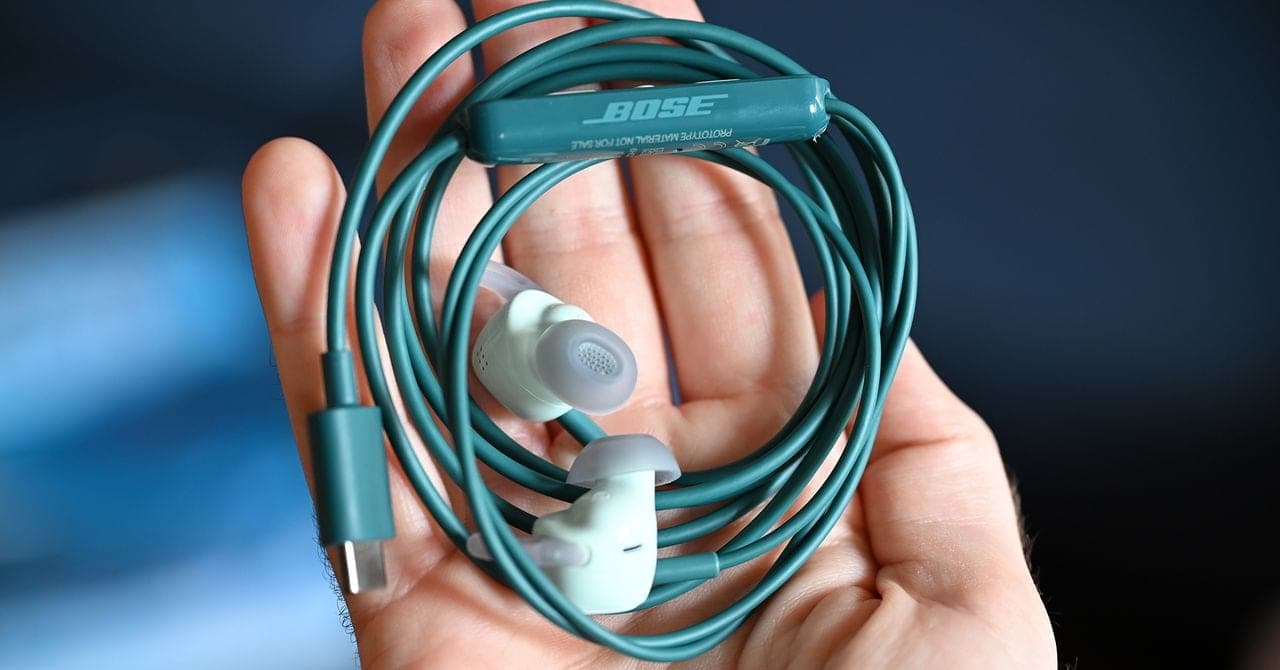
Bose launched the Noise Cancelling Wired Earbuds, its first wired earbuds in 11 years, priced at $99 with a USB-C cable and active noise canceling.
The earbuds took just eight to nine months to develop, faster than Bose's typical release cycle. Wired headphone sales grew 10% in late 2025 and 20% in early 2026 after five years of decline, a trend Bose says is driven largely by Gen Z. Preorders are open now, with shipping starting October 13.
What to know
- Bose launched the Noise Cancelling Wired Earbuds, its first wired earbuds since 2015, for $99 in three colors.
- The earbuds use a USB-C cable instead of Bluetooth, with active noise canceling and an inline remote for calls and playback.
- Wired headphone sales grew 10% in the second half of 2025 and 20% at the start of 2026, reversing a five-year decline, driven largely by Gen Z.
- Preorders are open now through Bose and Best Buy, with shipping starting October 13.
Wired earbuds are back, and Bose wants credit for noticing first. The company just launched its first wired earbuds in 11 years, betting on a real sales rebound for cabled headphones.
What Bose announced
The Bose Noise Cancelling Wired Earbuds are the company's first cabled pair since it dropped wired options in 2015. They connect over USB-C, not Bluetooth, and add active noise canceling that Bose's older wired models never had.
- Price: $99.
- Colors: Black, white smoke, and a limited-edition green called dewdrop mint.
- Connector: USB-C on a 4.2-foot cable, not a 3.5mm jack.
The catch: dropping Bluetooth means no battery to manage, but it also means no wireless freedom. You're tethered to your phone the same way headphones worked before 2016.
Why wired, why now
Bose president of consumer audio Raza Haider said he noticed the shift firsthand after dropping his teenager off at college and seeing wired earbuds everywhere on campus.
In real life If you've seen teenagers or twentysomethings wearing corded earbuds again instead of AirPods, that's the exact trend Bose is chasing with this launch.
Wired headphone sales grew 10% in the second half of 2025 and 20% at the start of 2026, the first growth in five years, a shift Bose and others attribute largely to Gen Z buyers.
Some of that has spilled into pop culture too, with celebrities wearing wired earbuds and songs written about them. For a generation that grew up on wireless, a cord has apparently become a style statement rather than an inconvenience.
Why it matters: SoundGuys, which tracks headphone sales data, found wired models specifically gained about 3 percentage points of market share in 2025, a small but real reversal after years of wireless taking over almost entirely.
The outlet ties the shift to a broader Y2K aesthetic revival, with the visible cord read as a deliberate style choice rather than a limitation. It's part of the same wave that's brought back flip phones, low-rise jeans, and film cameras among younger buyers.
There's a practical driver too, not just nostalgia. The catch with wireless earbuds: flagship pairs from Apple, Bose, and Sony routinely run $200 to $300, and Gen Z and younger millennials squeezed by inflation have increasingly balked at that price for something easy to lose. A wired pair skips the battery, the charging case, and the Bluetooth chip, the three components that drive most of that cost.
The trend has a viral, specific origin point outlets keep citing. Actor Dove Cameron wove a pair of white Apple EarPods directly into her hair bun on the runway at New York Fashion Week in 2025, turning a cable into a visible accessory rather than something to hide.
Since then, wired earbuds have shown up as a styling detail on Zendaya, Harry Styles, Dua Lipa, Lily-Rose Depp, Paul Mescal, Bella Hadid, and Apple Martin, according to fashion and tech coverage of the trend. That's cemented the cord as shorthand for opting out of an always-connected wireless aesthetic.
How it compares to Apple's cheap wired option
Apple already sells its own USB-C EarPods, at a $19 list price that typically sells for around $29, making Bose's $99 pair a premium play rather than a budget one.
| Bose Noise Cancelling Wired Earbuds | Apple USB-C EarPods | |
|---|---|---|
| Price | $99 | $19 to $29 |
| Noise canceling | Yes, with Quiet/Aware modes | No |
| Water resistance | IPX4 | Not rated |
| Connector | USB-C, 4.2-foot cable | USB-C |
Apple's version has no battery, no firmware, and nothing to pair, the same simplicity pitch Bose is making, but without noise canceling or a sealed in-ear fit.
Bose is betting buyers who like the cord will still pay up for sound quality and ANC rather than default to the cheapest wired option on the market.
Bose isn't alone
Bose is late to this specific bet, not early. Tom's Guide, covering the category broadly, has called 2026 "the year of wired earbuds," pointing to Apple, Sony, JBL, Skullcandy, and smaller in-ear specialist Linsoul as brands still actively selling and updating wired lineups rather than phasing them out.
The big picture: Apple's cheap USB-C EarPods are the clearest proof of demand. Reviewers tracking Amazon's electronics bestseller chart have placed the $19 EarPods at number two overall, ahead of Apple's own AirTags, an Amazon Fire TV Stick, AirPods Pro 3, and even iPads.
Part of the pitch is technical, not just aesthetic. Coverage of the category has pointed to wired earbuds delivering noticeably better sound quality than similarly priced wireless models, since a cable skips the compression and battery tradeoffs Bluetooth audio requires. A cord also means zero latency, which matters for watching video or gaming, and no battery to charge or replace years later.
That's the gap Bose is trying to occupy above the budget tier: buyers can already get a cheap, no-frills wired pair from Apple or JBL, but nobody at $99 was combining a cable with real active noise canceling until now.
Built for speed
By the numbers: Bose took roughly eight to nine months to go from idea to finished product, which Haider described as unusually fast for the company's audio lineup.
That speed lines up with a broader push at Bose toward faster production cycles, letting it ship new products, revisions, and collaborations more quickly than its typical release pace.
What's inside
Two microphones on each earbud pair with Bose's QuietControl technology to power the noise canceling. A button on the inline remote cycles between Quiet Mode, which dampens outside sound, and Aware Mode, which lets it through, with a full off option too.
The remote also houses volume controls, playback controls, and its own microphone for calls, positioned to pick up your voice without needing to sit close to your mouth.
The earbuds carry an IPX4 water resistance rating, and the box includes a zippered case, three sizes of silicone eartips, and two sizes of stability wings for a more secure fit during exercise.
Early impressions
A WIRED reporter who tested a late-stage prototype for four days said the earbuds already beat cheaper wired pairs like Apple's EarPods on sound quality and noise canceling. The main complaint was the inline remote's weight, which pulls down on the cable and can tug at the earbuds during movement.
The cable itself was described as thick and premium-feeling, though prone to tangling inside the included pouch, a small tradeoff for ditching Bluetooth pairing and charging altogether.
Where that leaves buyers
Bose hasn't said whether the Noise Cancelling Wired Earbuds are a one-off or the start of a fuller wired lineup.
For now, the earbuds compete in a narrow gap: pricier than Apple, Sony, or JBL's basic wired options, but far cheaper than Bose's own wireless QuietComfort earbuds or Apple's AirPods Pro. Whether that gap is big enough to matter depends on how many of the buyers driving the sales rebound are shopping for style versus shopping for noise canceling specifically.
The bottom line
Bose's return to wired earbuds is a bet that Gen Z's cord revival is more than a nostalgia trend, backed by real sales data showing wired headphones growing again after years of decline. Apple, Sony, and JBL are already proving there's demand at the cheap end of that market.
At $99 with real noise canceling, Bose is testing whether buyers who like the aesthetic will also pay for sound quality, a bet the rest of the industry hasn't fully made yet.
Key facts
- Price
- $99
- Colors
- Black, white smoke, dewdrop mint
- Connector
- USB-C, 4.2-foot cable
- Water resistance
- IPX4
- Ships
- October 13-15, 2026
Got questions?
Quick answers, plain wordsWhat are the Bose Noise Cancelling Wired Earbuds?
They're Bose's first wired earbuds since 2015, using a USB-C cable instead of Bluetooth, with active noise canceling and an inline remote for volume, playback and calls.
How much do the Bose wired earbuds cost?
They're priced at $99 and come in three colors: black, white smoke, and a limited-edition green called dewdrop mint.
When can I buy the Bose wired earbuds?
Preorders are open now through Bose's online store and Best Buy. Bose's press release says shipping starts October 15, though Bose's own store lists October 13.
Do the Bose wired earbuds have noise canceling?
Yes. Two microphones on each earbud work with Bose's QuietControl technology, offering a Quiet Mode that reduces outside sound, an Aware Mode that lets it in, and an option to turn ANC off entirely.
Why is Bose making wired earbuds again?
Bose says wired headphone sales are growing again after years of decline, and that Gen Z buyers in particular are driving the trend, which the company wants to capture.
Are wired headphones actually becoming popular again?
According to data Bose cited, wired headphone sales grew 10% in the second half of 2025 and 20% at the start of 2026, the first growth in five years.
What colors do the earbuds come in?
Black, white smoke, and a limited-edition dewdrop mint green.
Do the earbuds work with a standard headphone jack?
No. They connect via USB-C rather than a traditional 3.5mm headphone jack, matching modern phones and laptops that have dropped the headphone port.
Are the Bose wired earbuds water resistant?
Yes, they carry an IPX4 rating, meaning they can handle sweat, rain and splashes, but not full submersion.
How long did Bose take to develop these earbuds?
Bose's president of consumer audio said the earbuds went from idea to finished product in about eight to nine months, faster than the company's typical audio product timeline.
SourcesWIRED
Topics and tagsbose, earbuds, audio, consumer electronics
Related stories
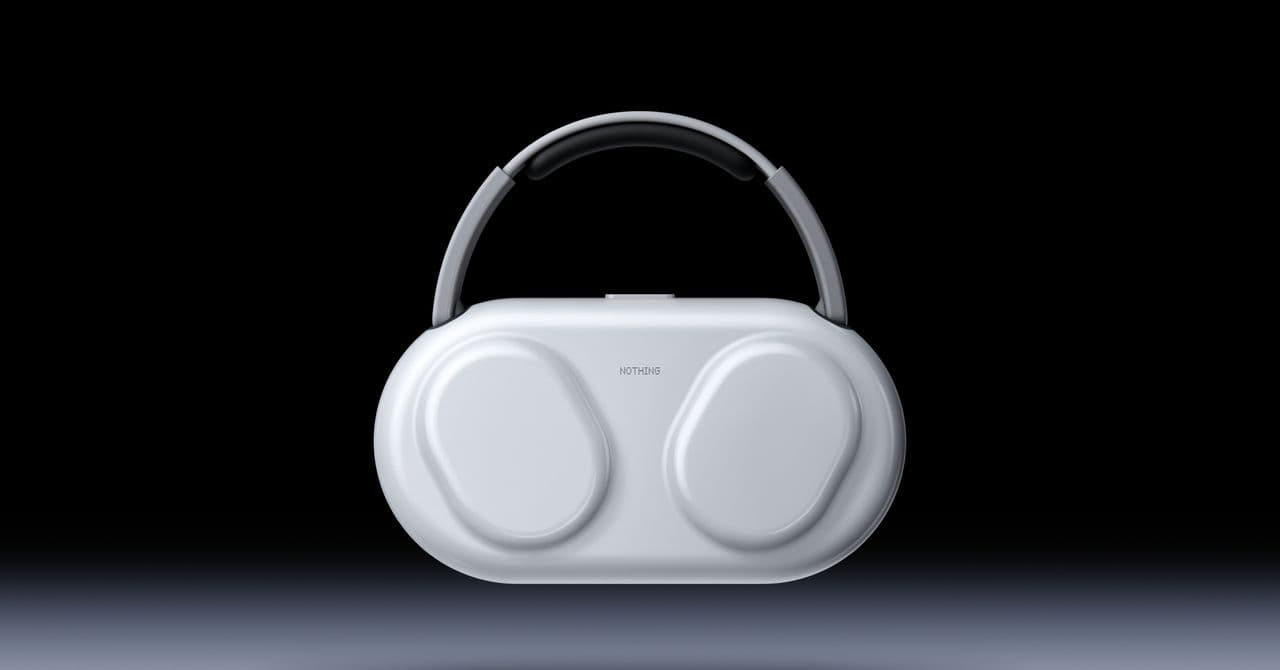
Nothing's $399 Headphone (1) Pro adds three drivers per ear and a studio EQ switch
Nothing launched the Headphone (1) Pro, a $399 flagship with three drivers per ear, a physical Flat EQ switch built for studio professionals, and Nothing's best noise canceling yet.
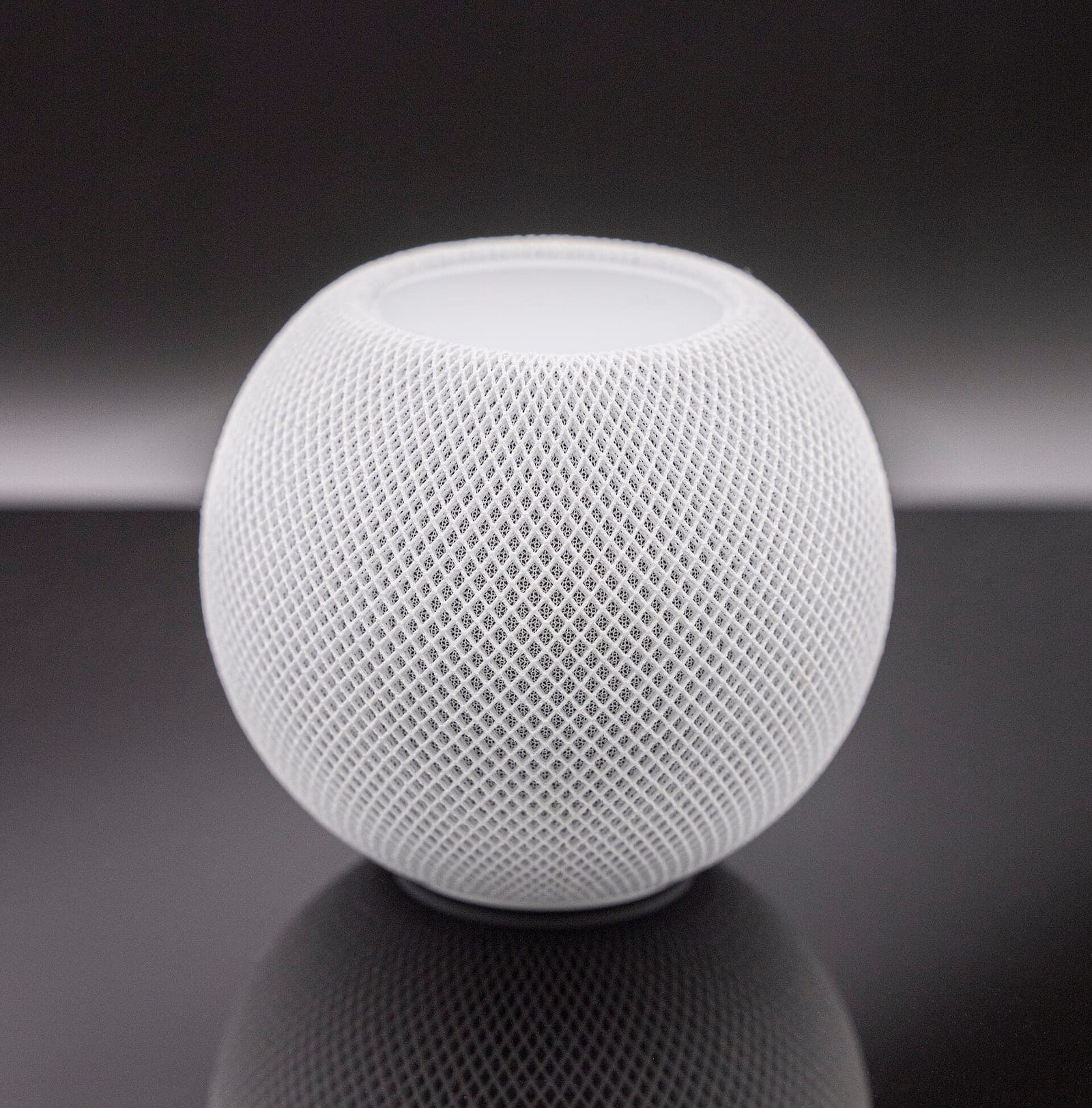
Apple's smart home hub reportedly launches October 13, with a camera that never records video
Bloomberg's Mark Gurman says Apple will announce its long-rumored smart home display on October 13. He also describes a companion home camera that sends text descriptions instead of video.
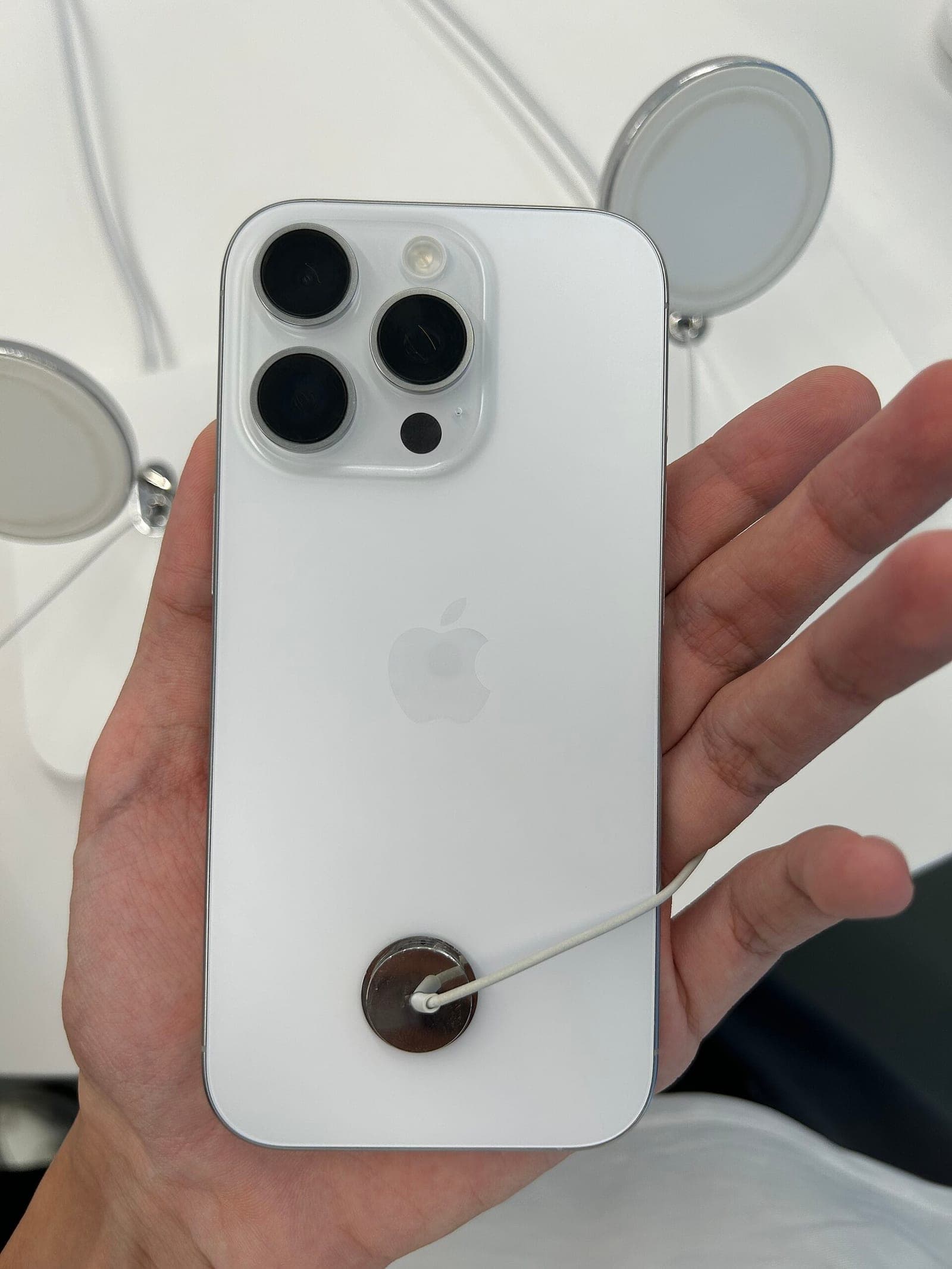
GrayKey maker reportedly found a way around the iPhone's Inactivity Reboot
A leaked training video seen by 404 Media says Magnet Forensics' new tools keep a seized iPhone in an easier-to-search state, even after the reboot Apple added in iOS 18.1.
More in brief
- arXiv limits researchers to two papers a month as AI drives submissions to a recordOct 2
- California will fine robotaxi companies that block first responders for over 30 minutesOct 2
- Microsoft launches real-time transcription and new voice models for AI voice agentsOct 1
- Cloudflare releases Clef, open-weight AI models that make yes-or-no decisions fastOct 1
- Fervo's Cape Station becomes the first enhanced geothermal plant to sell power commerciallyOct 1
- Cloudflare renames its data platform Basin and makes it generally availableOct 1