
Technology·News & analysis
Nitori says hackers may have taken up to 37.6 million customer records
Japan's biggest furniture chain says someone broke into one of its systems and may have copied names, addresses and order data. Passwords and card numbers were not in it, the company says.

Tide
Wave
Sci-fi
2/10
Reality
In your hands
A very large customer list, and nobody was supposed to read it.How we rate
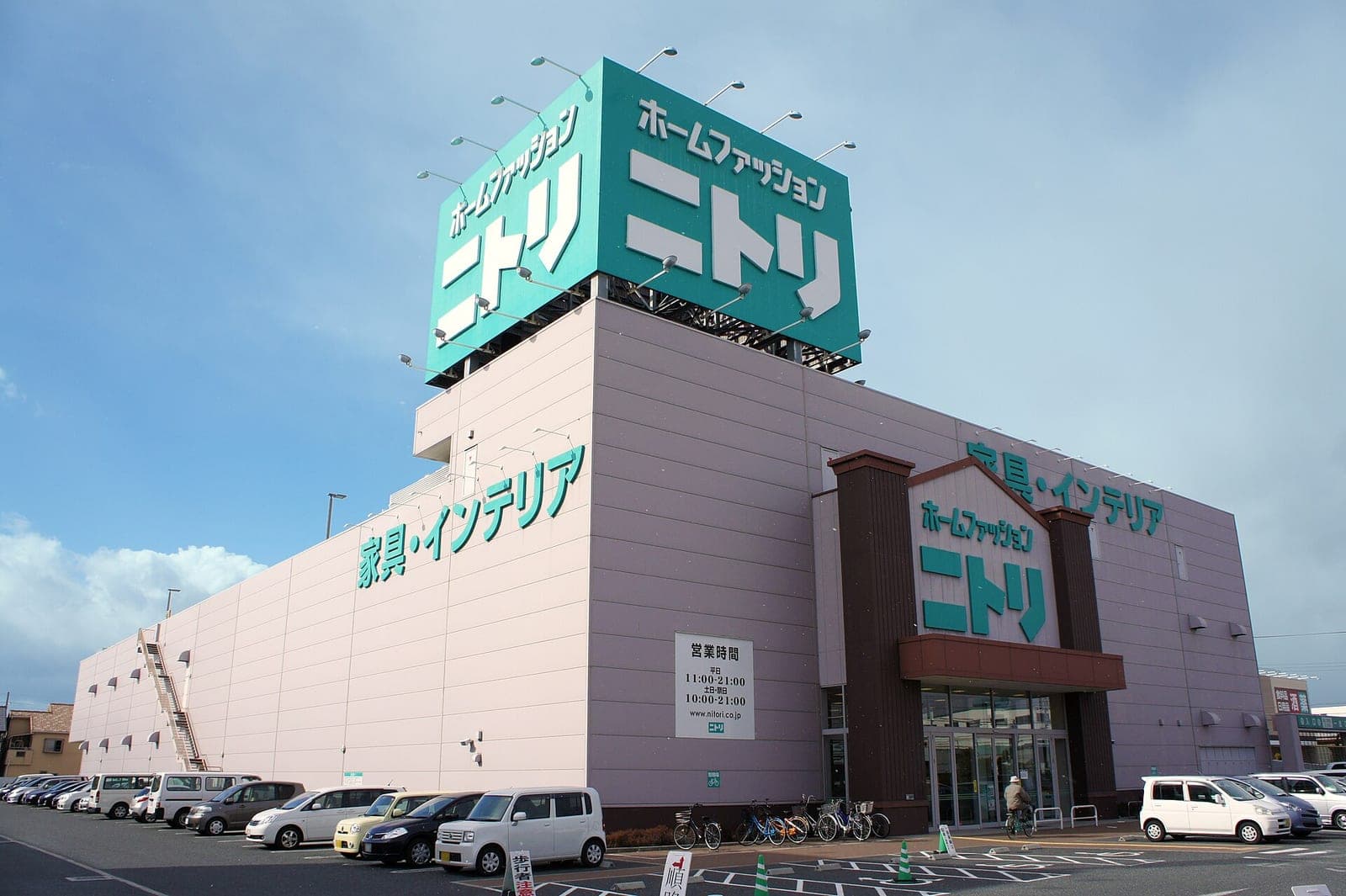
Nitori Holdings, the Japanese furniture and home goods chain, says an attacker may have copied up to 37.62 million records of customer personal information from a system it manages.
The records may include names, addresses, phone numbers, birth dates and online order data, but not passwords or card numbers. The company spotted the intrusion on November 6, and the attacker may have had access since mid-October. Nitori is still investigating and will contact customers by email or post.
What to know
- Nitori Holdings said on November 9 that up to 37.62 million records of personal information may have been copied from a system it manages.
- The company found the intrusion on November 6 and cut off the attacker, then learned that someone may have had access since mid-October.
- Names, emails, addresses, phone numbers, birth dates, gender and online order data may be exposed. Login passwords and credit card details are not, the company says.
- Nitori has not said how the attacker got in. It warns customers about fake emails, fake delivery messages and suspicious calls.
Nitori Holdings, the Japanese furniture and home goods retailer, says someone broke into one of its systems and may have copied up to 37.62 million records of customer information. The company announced it on Monday, November 9.
That's the news. Now the useful part: what was in those records, what was not, and what you should do if you ever bought a sofa from Nitori.
What did Nitori actually say?
The company says it found unauthorized access to a system it manages on Friday, November 6. It cut off the attacker right away and brought in outside security specialists.
What it found next: logs showed someone may also have gotten in earlier, between mid and late October. Nitori is still checking the details.
A log is a record of who touched a system and when. Here it is what let the company look backward and see that the break-in did not start on the day it was noticed.
Who is Nitori?
Nitori is often called the "IKEA of Japan." It sells furniture, bedding and home accessories.
- Stores in Japan: 879
- Stores abroad: 219, across China, South Korea, Taiwan, Thailand, Singapore and Hong Kong
- Yearly revenue: about $5.8 billion
That reach explains the size of the number. A chain with this many stores and an online shop collects a lot of names over the years.
What information may be exposed?
Nitori says the mix of data differs from person to person. The company lists three groups.
- Individual members and shoppers: membership number, name (including the phonetic reading), email address, postal address, phone number, date of birth and gender.
- Business members: membership number, company name, department, the representative's name, company address and phone, plus the contact person's name, email and phone.
- Orders: order details from Nitori Net, the company's online store, and from Nitori's official shops on online marketplaces.
The notice covers people who are not members too. Anyone who ordered through Nitori's stores or online shops may be in the data.
What is not included: Nitori says login passwords and credit card details were not part of it.
How big is 37.62 million?
It is a lot, but read it carefully. Nitori counts records, not people.
A record is one row in a database. One person can have several rows, for example a membership and a separate order, so the number of affected people could be lower. The company has not said how many people that is.
The catch: the figure is also a maximum. Nitori says the system held up to 37.62 million records that may have been copied. It is still analyzing logs and matching data, and the count may change.
Why do names and addresses matter without passwords?
Fair question. No password and no card number sounds like good news, and it is better than the alternative.
But a name, an email, a phone number and a birth date are exactly what a scammer needs for phishing. Phishing means sending a fake message that looks real, to trick you into clicking a link or giving up a password.
If a message knows your name and says it is about your recent furniture order, it looks much more believable.
In real life You get a text that says a Nitori parcel could not be delivered, with a link to "reschedule." The text has your real name. Don't tap the link. Open the Nitori app or type the website address yourself instead.
Nitori warns about this itself. It says the data could be used for fake emails, phishing and suspicious calls. It lists messages that pretend to come from Nitori, a delivery company or an online marketplace.
What do we still not know?
Quite a bit. The company has not said how the attacker got in, so the cause is open. It also has not said whether the data was actually taken, only that it may have been copied.
Nitori says it has closed the weak spots and added more monitoring. After the investigation it plans to review how it controls access, handles logins and permissions, and watches its systems.
What's next: the company says it will contact affected customers by email or post, one by one. It has already reported the incident to Japan's Personal Information Protection Commission, the police and other authorities.
Has Nitori been hit before?
Yes, in a different way. In September 2022 Nitori said its app had been hit by a credential stuffing attack, which is when attackers take a big list of emails and passwords stolen from other websites and try them on a new site.
That attack began on September 15, 2022. About 132,000 accounts may have had personal information viewed.
The two cases are different. The 2022 one used passwords stolen elsewhere. The new one reached a system Nitori manages itself, and the company has not yet explained how.
Is this part of a bigger wave in Japan?
Another Japanese home goods company reported its own breach just days ago. Iris Ohyama, which runs the Iris Plaza online store, said on October 29 that someone got into a third-party cloud service it uses.
- People possibly affected: about 7.7 million, made up of 5.8 million registered and former members and 1.9 million non-members
- Store status: the online shop was suspended on October 28 and was still down in early November
- Payments: card details were not stored in the affected service, the company says
These are two separate incidents. Nothing public connects Iris Ohyama and Nitori, and neither company has named an attacker.
Why does the October date matter?
Nitori found the break-in on November 6. If the first access was in mid-October, someone may have had a window of several weeks.
That is why the company says it is still checking. A short visit and a long one can leave very different amounts of data behind.
It also matters for you. Scam messages built from leaked data often appear weeks or months after a breach, not on the day of the announcement, so staying alert now is not a one-day job.
How can you spot a fake Nitori message?
You do not need special tools. A few habits catch most fakes.
- Check the sender. A real company email comes from its own domain. Look at the full address, not just the display name.
- Watch for pressure. Messages that say your parcel will be returned today, or your account will close, want you to click before you think.
- Skip the link. Open the official app or type the website address yourself.
- Call back on a known number. If a caller says they are from a store, hang up and phone the number printed on the company's own site.
None of this depends on whether your data was in the leak. It works for any message that asks for something urgent.
What it means for you
- Treat Nitori-style messages with suspicion. Emails, texts or calls that mention Nitori, a courier or a marketplace order could be fake, even if they use your real name.
- Never share a password, card number or PIN. Nitori says it will never ask for these by email or phone.
- Wait for the official notice. Nitori says it will email or write to affected customers. Use the company's own website, not a link in a message, to check for updates.
- Business members, watch for fake invoices. Contact names and emails are in the data, so a message that pretends to come from a partner and asks you to change a payment account deserves a phone call first.
The bottom line
Nitori says up to 37.62 million customer records may have been copied, but passwords and card numbers were not among them. The real risk now is fake messages that use real names and real orders.
The company is still investigating, and the number and the cause may change. Until it explains more, be careful with any message that mentions Nitori.
Key facts
- Records possibly exposed
- Up to 37.62 million
- Intrusion found
- November 6, 2026
- Possible access began
- Mid to late October 2026
- Not exposed
- Login passwords and credit card details, Nitori says
- Cause
- Not disclosed yet
Got questions?
Quick answers, plain wordsWhat happened at Nitori?
Nitori Holdings says a third party gained unauthorized access to a system it manages. The company found the intrusion on November 6, 2026, blocked it, and announced on November 9 that up to 37.62 million records of personal information may have been copied.
How many people are affected?
Nobody knows yet. Nitori gives a number of records, up to 37.62 million, not a number of people. It says the analysis is still running and the count may change.
What information may have been exposed?
For individual members and shoppers: membership number, name, email, address, phone number, date of birth and gender. For business members: company name, department, the representative's name, company address and phone, and the contact person's name, email and phone. Order data from Nitori Net and Nitori's official shops on online marketplaces is also included.
Were passwords or credit cards stolen?
Nitori says no. It says login passwords and credit card information were not part of the exposed data.
When did the attack start?
The company found the intrusion on November 6. Its logs show someone may also have accessed the system from mid to late October, and it is still checking the details.
How did the attacker get in?
Nitori has not said. It says outside specialists are working out the cause, the route in and the full extent of the damage.
What should Nitori customers do?
Be careful with messages that claim to come from Nitori, a delivery company or an online marketplace. Do not open links or attachments you did not expect. Nitori says it will never ask for your password, card number or PIN by email or phone.
Will Nitori contact affected customers?
Yes. The company says it will notify affected customers directly by email or post. It has also told Japan's Personal Information Protection Commission, the police and other authorities.
Is this the same as the Iris Ohyama breach?
No. Iris Ohyama is a different Japanese home goods company. It disclosed a separate breach of a third-party cloud service on October 29, with about 7.7 million people possibly affected.
SourcesBleepingComputer
Topics and tagsCybersecurity, nitori, data breach, japan
Related stories

GMO Internet says hackers posted data stolen from its Onamae cloud desktops
The Japanese company refused an 8 billion yen ransom demand after a breach that may have touched up to 26,739 servers used for automated currency trading. It now says the attacker has posted data online.
Chainalysis says hackers took logins and tokens for all its customers
The crypto-tracing firm says an attacker used AI agents, then an on-path attack, to take names, password hashes and live tokens for every user. Its tools are back online.
UK Legal Aid Agency hackers took records going back to 1978
Eighteen months after the attack, the Ministry of Justice says about 250,000 stolen Legal Aid Agency records predate 2007, and some probation data was taken too.
More in brief
- FAA lifts a nationwide ground stop after a communications outageNov 14
- Tesla opens Cybercab orders at $29,990, plus $299 a month to drive itNov 14
- Apple Sports adds UFC with live stats for every fight on the cardNov 13
- LangChain raises $300 million at a $3 billion valuation for AI agentsNov 13
- SignDrop, a new Windows zero-day, gives attackers full System rightsNov 13
- Microsoft's AI Frontiers research group is over, says co-founder John LangfordNov 13