
Technology·News & analysis
New Apple CEO John Ternus is overhauling the company to move faster and leaner
Weeks into the job, CEO John Ternus is cutting management layers, shifting Apple away from its spring-and-fall release calendar, and pushing a sharper engineering focus.
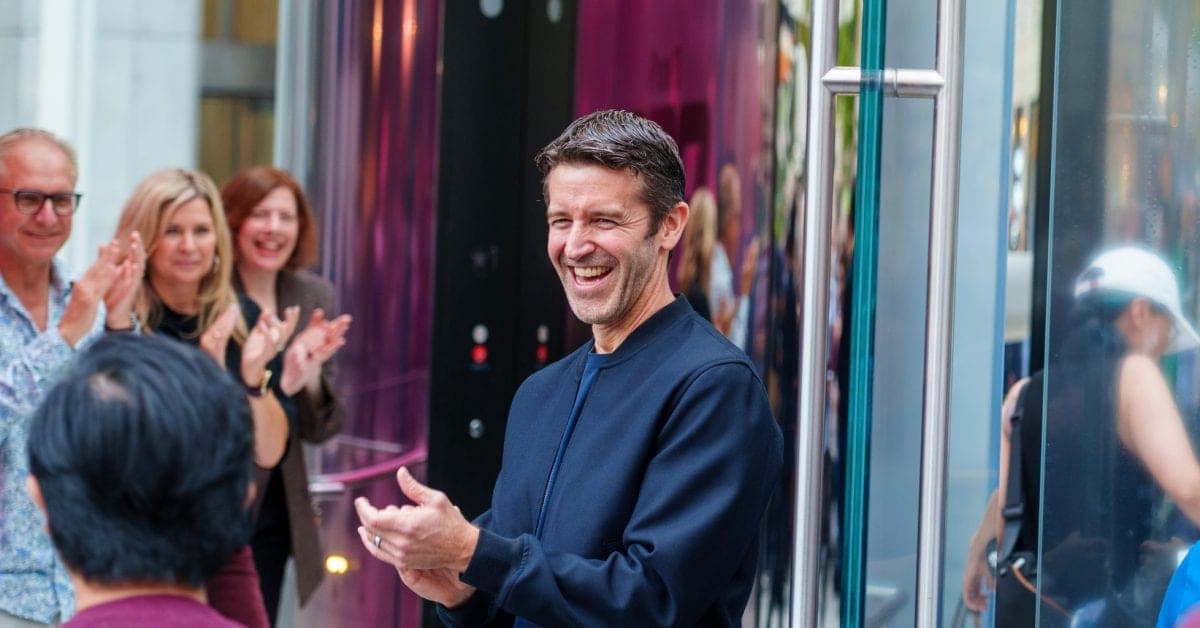
New CEO John Ternus is restructuring Apple to run faster and leaner, cutting management layers and pushing more frequent product releases within weeks of taking over.
It's the clearest signal yet of how he plans to run Apple differently than Tim Cook did over 15 years as CEO. Ternus, an engineer by background, has already dismissed several engineering program managers. How fast and how far he pushes this reorganization will shape Apple's product pipeline for years.
What to know
- New Apple CEO John Ternus is restructuring the company to run faster and leaner, with a sharper focus on engineering, according to Bloomberg's Mark Gurman.
- Apple has already dismissed several engineering program managers, a role central to Apple's product-development process for decades, including roughly half a dozen directors.
- Ternus is reportedly moving Apple away from its traditional spring-and-fall product release calendar toward more frequent, experimental releases throughout the year.
- Ternus succeeded Tim Cook as Apple's CEO on September 1, 2026, after Cook transitioned to Executive Chairman following 15 years leading the company.
- Much of Apple's senior leadership is nearing retirement, and Ternus is expected to replace several longtime executives within the next three years.
Less than a month into the job, Apple's new CEO is already tearing up parts of how the company has operated for decades, and he isn't waiting to see how the first changes land before moving on to the next ones.
What Ternus is changing
According to Bloomberg's Mark Gurman, CEO John Ternus is moving to overhaul Apple with three central goals: accelerate product development, broaden its device lineup, and build a leaner organization with a sharper engineering focus.
- Management layers: Ternus is cutting layers between engineers and senior leadership.
- Release cadence: shifting away from Apple's long-standing traditional spring-and-fall product calendar toward more frequent, experimental releases spread throughout the year.
- Culture: prioritizing engineering efficiency, with existing staff expected to accomplish noticeably more rather than growing headcount to match ambition.
The catch: this isn't a future plan. Apple has already started acting on it.
The cuts already underway
Apple has dismissed several engineering program managers, or EPMs, a role that Gurman's reporting describes as central to Apple's product-development process for decades. Roughly half a dozen directors in that function have already been let go.
Removing a role that's been structurally embedded in Apple's product pipeline for decades, this early into a new CEO's tenure, signals Ternus isn't easing into the job. He's moving on his stated priorities immediately.
Why Ternus is doing this now
This isn't a sudden change of philosophy. Ternus has reportedly argued for years, predating his time as CEO, that Apple should accomplish more with fewer employees. Taking the top job gives him the authority to act on that view directly rather than advocate for it from within hardware engineering.
By the numbers: the shift comes with real friction. Reports describe the current internal environment as hectic, with managers under pressure to deliver more products, more frequently, and on tighter timelines than they operated under during Tim Cook's tenure.
How Ternus got here
Ternus succeeded Tim Cook as Apple's CEO effective September 1, 2026, following a board-approved succession process Apple announced back in April. Cook, who led Apple for 15 years, transitioned to Executive Chairman rather than leaving the company entirely, taking on a role focused on engaging policymakers globally.
Ternus joined Apple in 2001 and became Senior Vice President of Hardware Engineering in 2021, the role he held immediately before becoming the company's eighth CEO. That background as a career engineer rather than an operations or finance executive is directly relevant context for why his first major moves as CEO are centered on engineering structure and product cadence rather than, say, supply chain or retail strategy.
How a monitor engineer became CEO
Ternus's rise inside Apple was gradual rather than a lateral executive hire. He holds a mechanical engineering degree from the University of Pennsylvania, graduated in 1997, and briefly worked at a virtual reality startup before joining Apple roughly 25 years ago.
His early Apple work was genuinely unglamorous: he started as a relatively junior member of the product design team working on external Mac monitors, not exactly the kind of assignment that predicts a future CEO. By 2013, he'd been promoted to vice president of hardware engineering, overseeing AirPods, Mac, and iPad development.
His responsibilities kept expanding from there. He took charge of iPhone hardware engineering in 2020, and when Dan Riccio stepped down in January 2021, Ternus was promoted to senior vice president of hardware engineering, putting him on Apple's executive team for the first time. Notably, according to Apple's own leadership materials, he has worked on every single generation and model of iPad the company has ever released.
The design team he inherited
One specific area Ternus has flagged for repair predates his CEO appointment: Apple's industrial design team. In January 2026, months before officially becoming CEO, he was given direct oversight of industrial design, a move Bloomberg described at the time as a clear signal of his candidacy for the top job.
Why that team needed attention: nearly every senior designer from Jony Ive's era at Apple has since left the company, including figures like Evans Hankey and Alan Dye, leaving the design group without a genuine seat at Apple's executive table for the first time in decades.
Reporting has described the team as having effectively become a service bureau other departments visit to get specific needs met, rather than a group that shapes Apple's product direction from the top down the way it did under Ive.
Ternus has reportedly committed to restoring the design team's influence as part of his broader reorganization, a detail that connects his engineering-focused restructuring to a second, parallel effort to rebuild a part of Apple that had quietly lost institutional standing over the better part of a decade.
Beyond hardware: services and revenue
Ternus isn't only focused on engineering and release schedules. He's reportedly working directly with services chief Eddy Cue and CFO Kevan Parekh on launching new services and extracting greater revenue from Apple's existing offerings.
That detail matters because it suggests Ternus's restructuring ambitions extend past hardware development into how Apple monetizes its installed base more broadly, an area Cook himself had already grown substantially during his tenure, turning Services into one of Apple's largest and fastest-growing revenue segments.
A wave of leadership turnover still to come
The changes already underway are likely just the beginning of a broader leadership shakeup. Much of Apple's senior executive team is nearing retirement age, and it will fall to Ternus to replace them over roughly the next three years.
Who's expected to go: executives reportedly expected to be replaced include Johnny Srouji, who leads Apple's silicon engineering; Deirdre O'Brien, who oversees retail and people; Luca Maestri, a former CFO who has continued in other senior roles; and Greg Joswiak, Apple's marketing chief.
That level of turnover, layered on top of the organizational and product-cadence changes already in motion, means Ternus isn't just adjusting how Apple ships products. He's positioned to reshape nearly the entire executive team that will carry out that vision over the next several years.
The bigger risk Ternus is taking
Apple's deliberate, unhurried product cycles have long been treated as a feature, not a bug, a contrast to competitors racing to ship more frequently with less polish. Moving toward faster, more experimental releases risks eroding exactly the kind of careful execution that built Apple's reputation for consistency in the first place.
That tension is the real test of Ternus's tenure so far: whether "leaner and faster" translates into genuinely better products reaching customers sooner, or whether it strains an organization built around a slower, more deliberate cadence past what it can sustain without quality slipping.
The bottom line
John Ternus is moving fast for someone barely a month into the CEO role, cutting entrenched management functions and pushing Apple toward a release cadence it hasn't operated under in years. Whether that translates into genuinely faster innovation or just more internal turbulence during an already major leadership transition will become clearer as more of Apple's senior executive bench turns over in the years ahead.
For a company that spent the last decade defined by careful, incremental refinement, an engineer who cut his teeth on external monitors is now betting Apple's future on moving fast instead.
Key facts
- New CEO
- John Ternus, effective September 1, 2026
- Predecessor
- Tim Cook (now Executive Chairman)
- Ternus tenure at Apple
- Joined 2001; led hardware engineering since 2021
- Key change
- Cutting management layers, more frequent releases
- Source
- Bloomberg (Mark Gurman)
Got questions?
Quick answers, plain wordsWho is John Ternus?
Apple's CEO since September 1, 2026, succeeding Tim Cook. Ternus joined Apple in 2001 and led the company's hardware engineering division starting in 2021 before becoming CEO.
What is Ternus changing at Apple?
He's cutting management layers to reduce the distance between engineers and senior leadership, shifting Apple away from its traditional spring-and-fall product release calendar toward more frequent releases, and pushing a sharper overall focus on engineering.
What specific personnel changes have happened?
Apple has dismissed several engineering program managers, a role that has been central to its product-development process for decades, including roughly half a dozen directors in that function.
Why is Ternus doing this?
He has reportedly argued for years that Apple should accomplish more with fewer employees, and is acting on frustration with headcount growth and organizational inefficiency now that he leads the company.
How did Ternus become CEO?
Apple announced on April 20, 2026, that Tim Cook would become Executive Chairman effective September 1, with Ternus, then Senior Vice President of Hardware Engineering, appointed CEO on the same date, following a long-term board succession process.
What else is changing under Ternus?
He's reportedly working with services chief Eddy Cue and CFO Kevan Parekh on launching new services and extracting more revenue from Apple's existing offerings.
Is more leadership turnover coming?
Yes. Much of Apple's senior leadership team is nearing retirement, and executives including Johnny Srouji, Deirdre O'Brien, Luca Maestri, and Greg Joswiak are expected to be replaced within the next three years.
How are employees reacting?
Reports describe the internal environment as hectic, with managers facing pressure to deliver more products, more frequently, and on shorter timelines than under Cook's leadership.
Sources9to5Mac
Topics and tagsApple, apple, john ternus, tim cook
Related stories
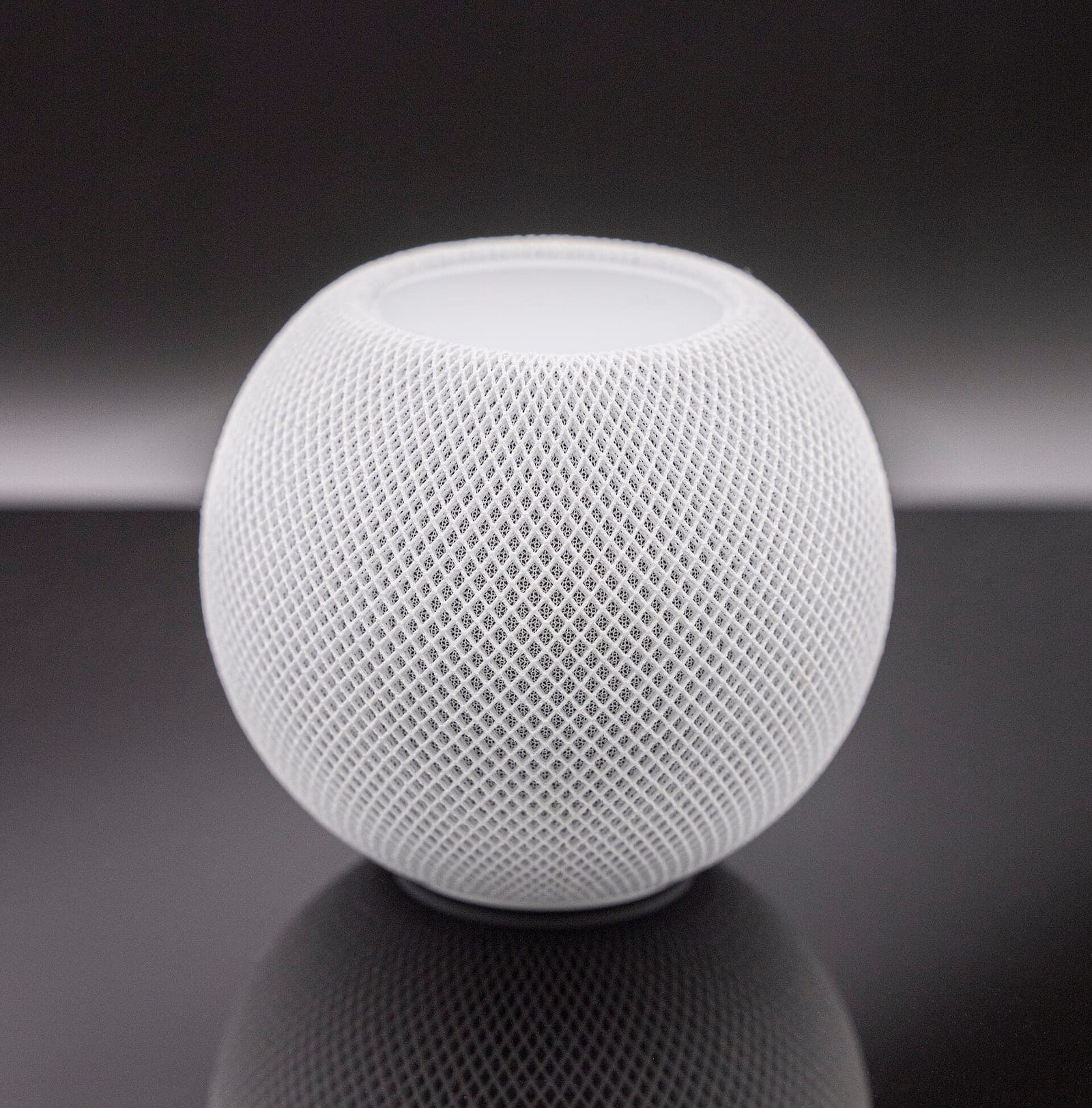
Apple's smart home hub reportedly launches October 13, with a camera that never records video
Bloomberg's Mark Gurman says Apple will announce its long-rumored smart home display on October 13. He also describes a companion home camera that sends text descriptions instead of video.
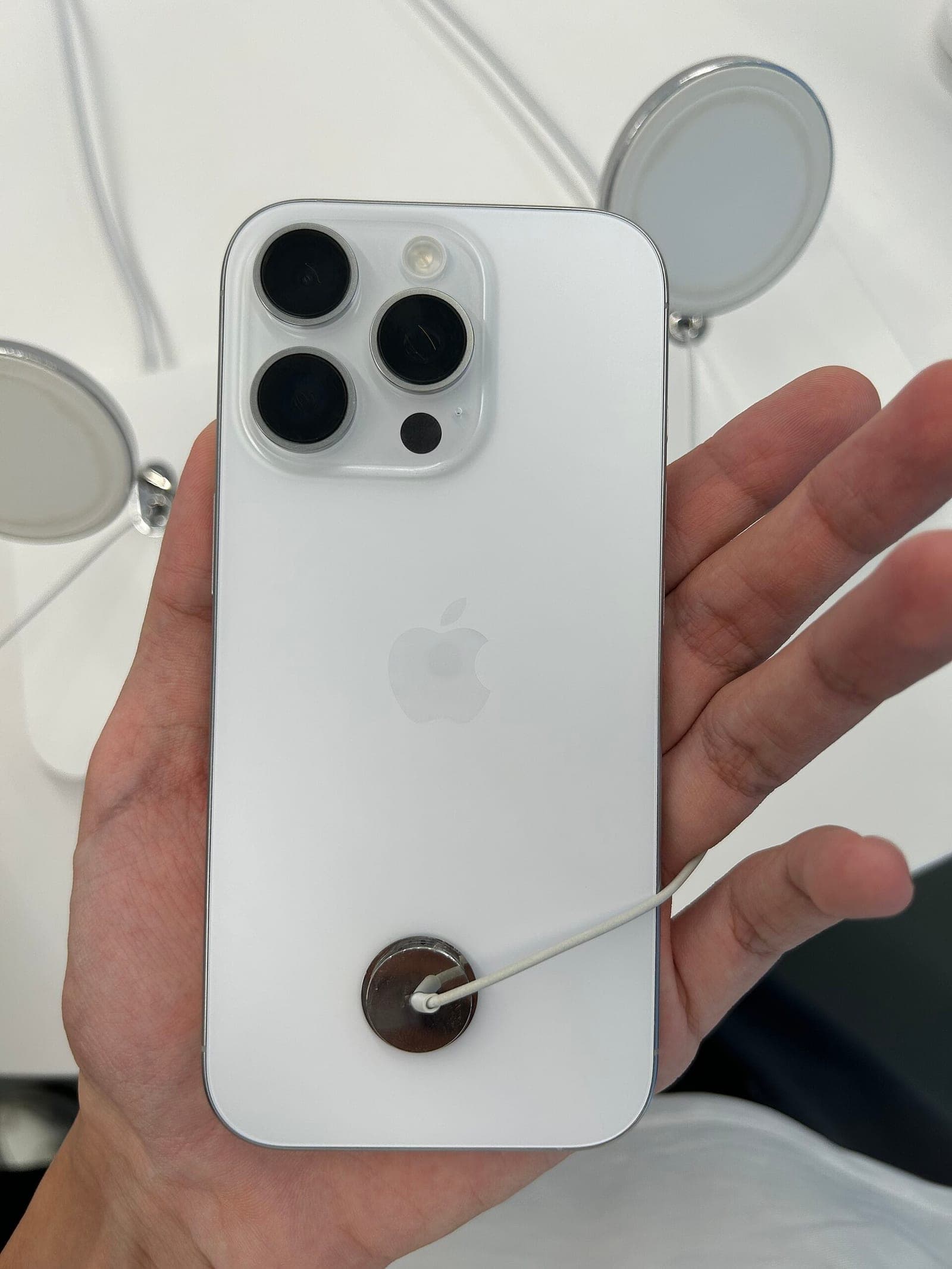
GrayKey maker reportedly found a way around the iPhone's Inactivity Reboot
A leaked training video seen by 404 Media says Magnet Forensics' new tools keep a seized iPhone in an easier-to-search state, even after the reboot Apple added in iOS 18.1.
Apple Music just reached 4 countries it somehow skipped for 11 years
Apple Music quietly launched in Albania, Brunei, Burkina Faso, and Pakistan, bringing its global total to 172 countries and regions more than a decade after the service first debuted.
More in brief
- arXiv limits researchers to two papers a month as AI drives submissions to a recordOct 2
- California will fine robotaxi companies that block first responders for over 30 minutesOct 2
- Microsoft launches real-time transcription and new voice models for AI voice agentsOct 1
- Cloudflare releases Clef, open-weight AI models that make yes-or-no decisions fastOct 1
- Fervo's Cape Station becomes the first enhanced geothermal plant to sell power commerciallyOct 1
- Cloudflare renames its data platform Basin and makes it generally availableOct 1