
Technology·News & analysis
Home Assistant launches Connect AUX-2, a $69 smart home multi-tool
Nabu Casa's new box adds audio streaming, serial control, a Bluetooth hub and Power over Ethernet to older gear. It is on sale worldwide today for $69 or 59 euros.

Tide
Ripple
Sci-fi
3/10
Reality
In your hands
Your old stereo learns new tricks without a new stereo.How we rate
Nabu Casa, the company behind official Home Assistant hardware, launched the Connect AUX-2 on November 11.
The $69 box streams audio, controls older gear over serial ports, bridges Bluetooth devices and can host a Z-Wave adapter, powered over Ethernet. It is the first purpose-built Bluetooth hub the company makes. It is on sale worldwide now. Zigbee over the network is still in testing, and Thread does not work yet.
What to know
- Nabu Casa, the company behind official Home Assistant hardware, launched the Connect AUX-2 on November 11, 2026. It costs $69 or 59 euros and ships worldwide.
- The box streams audio, controls devices through two RS-232 serial ports, acts as a Bluetooth hub and can host a Z-Wave adapter.
- It runs on Power over Ethernet, USB power or Wi-Fi, so it can sit wherever a network cable reaches.
- Z-Wave over the network works, Zigbee is still being tested, and Thread does not work yet.
Nabu Casa launched the Home Assistant Connect AUX-2 on November 11. It is a small box that helps your old, not-so-smart gear join your smart home.
That is the news. Now the fun part: it is not one gadget. It is four gadgets in one case, and the price is $69.
First, what is Home Assistant?
Home Assistant is free, open-source software that runs your smart home from one place. "Open-source" means anyone can read and change the code. It works with devices from many brands, so a lamp, a speaker and a thermostat can talk to each other without a company cloud in the middle.
Nabu Casa is the company that makes the official Home Assistant hardware. It is one of the commercial partners of the Open Home Foundation, the group that runs Home Assistant. Money from products like this one helps pay for the foundation's work.
What does the AUX-2 actually do?
Nabu Casa calls it a smart home multi-tool. It does four main jobs:
- Streams audio. It plays music to older hi-fi gear, in sync with modern smart speakers.
- Controls serial devices. It sends commands to equipment through two RS-232 serial ports.
- Acts as a Bluetooth hub. It connects Bluetooth devices to Home Assistant. Home Assistant calls this a Bluetooth proxy.
- Hosts a Z-Wave adapter. You plug in a Connect ZWA-2, and the AUX-2 can sit anywhere in your house.
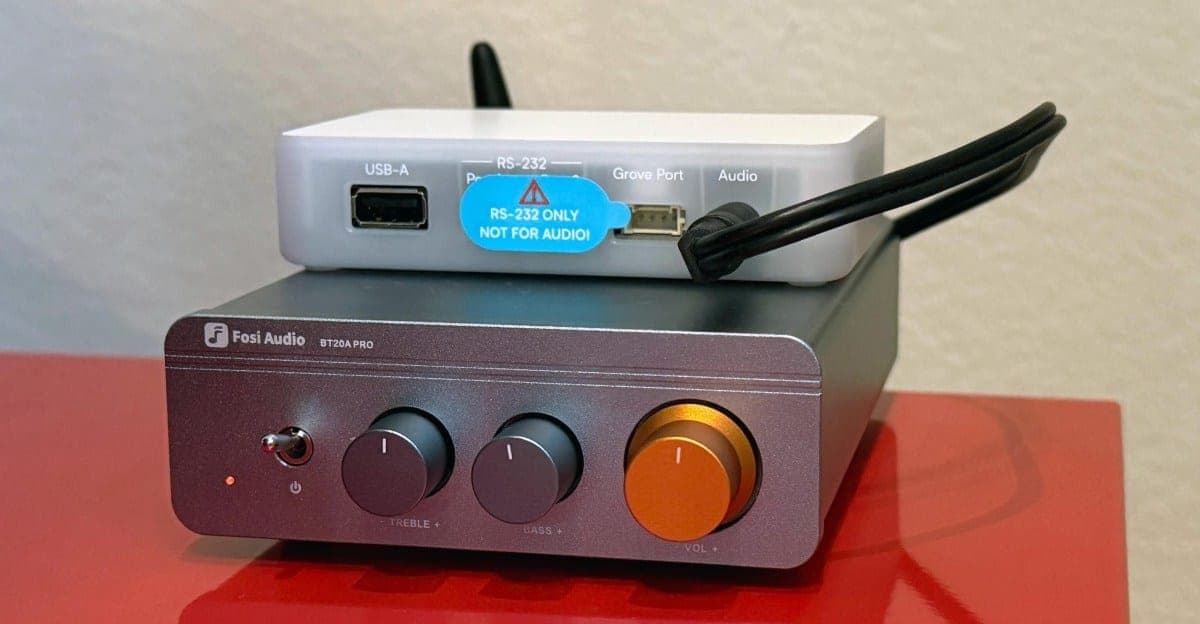
The box is about the size of a deck of cards. It has 2.4GHz Wi-Fi, Bluetooth, Ethernet, a USB-A port, a USB-C port, a combined digital and analog audio jack and a Grove port. A Grove port is a small plug for adding sensors and buttons.
Why does Power over Ethernet matter?
Power over Ethernet, or PoE, sends power and data through one network cable. You can put the device anywhere you can run a cable, even where there is no outlet. The AUX-2 also runs on USB power and Wi-Fi.
Nabu Casa says PoE was the most requested feature. It also says PoE was most of the hardware cost, so adding extra ports turned out to be surprisingly cheap. That is how a simple PoE box grew into a multi-tool.
In real life Your Home Assistant computer lives in a basement. Your Z-Wave adapter plugged into it can barely reach the second floor. Move the adapter into the AUX-2, put the AUX-2 in a hallway upstairs, and run one cable.
How does it help old stereos?
Nabu Casa says there is plenty of overlooked audio gear that sounds great and sells cheap on local marketplaces. Much of it has two things: an optical digital audio input and a serial control port.
Optical audio sends sound as light through a fibre-optic cable. It carries clean, CD-quality sound. The serial port lets you control the volume, the source and the power, even from standby. That also lets you turn off an old device's poorly maintained smart features, which can waste energy while the device sits connected and waiting.
The AUX-2 has a DAC, a chip that turns digital audio into sound. Nabu Casa says it is a step up from the one in its Voice Preview Edition. The box senses whether the cable is analog or digital and switches the output by itself. It never uses more than a watt or two.
A tool called Music Assistant does the heavy lifting. It supports nearly every streaming service, plus your local files, and combines them into one library. A protocol called Sendspin lets speakers from different brands play in sync. You can group several AUX-2 boxes, or pair one with a HomePod or a Sonos speaker.
What can you control with serial ports?
A serial port is an old, simple connection that sends commands back and forth. Solar inverters, TVs and receivers have had one on the back for decades. Professional control systems have relied on them for years.
Nabu Casa says you will not replace a solar inverter or a new TV just because the app is bad. With the AUX-2, you can replace the app and get your data back. Home Assistant already supports a growing list of serial devices. You get the right cable, plug it in and add the matching integration. Some devices need serial control switched on in their settings first.
There are two serial ports, so you can control two devices at once. Nabu Casa picked RS-232 because it was the most common connector on the devices it tested. Devices that use RS-485 can connect through the USB port with a $15 adapter, which also opens the door to Modbus equipment. Modbus is a common language for industrial and energy gear.
The serial ports use 3.5 mm connectors, the same size as headphone plugs. To stop people plugging in headphones, Nabu Casa put a sticker over them at the factory. Switches on the bottom let you swap the send and receive wires, so almost any cable should work without opening the box.
What about Z-Wave, Zigbee and Thread?
Z-Wave, Zigbee and Thread are wireless languages that smart home devices speak. Nabu Casa's adapters for them plug in by USB, which ties them to wherever your Home Assistant computer sits. The AUX-2 frees them.
- Z-Wave: Nabu Casa has tested this setup for months and says it works great.
- Zigbee: It works, but it is still very new. Nabu Casa is not advertising it yet and wants more testers.
- Thread: It does not work. Thread is too sensitive to delays to run reliably over a network.
Nabu Casa recommends a wired connection. Wi-Fi is possible, and its tests with the ZWA-2 show only a small rise in delay. But Wi-Fi can still be unstable, and with Zigbee it can add interference.
A standalone Thread border router, a device that links Thread gadgets to your network, is theoretically possible with a ZBT-2 and an AUX-2. It would need a big rewrite of the serial communication, and Nabu Casa says that work has not started.
Is it a good Bluetooth hub?
Many Bluetooth gadgets act as if their own cloud hub is the only way to connect them. Nabu Casa says they often work better when connected straight to Home Assistant. The AUX-2 is its first device built just for that job.
There is no flashing and no setup. Once you add the box to Home Assistant, it starts finding Bluetooth devices in your home. It has an improved antenna. With Ethernet, Wi-Fi and Bluetooth no longer share one antenna, so Bluetooth gets a dedicated one. You can put several around the house.
A reviewer who tested it for a couple of days used it to bring Govee Bluetooth thermometers into Home Assistant and watch a garage fridge. The sensors kept their connection through three walls and a fridge.
Setup took a USB-C cable and a browser: the firmware (the built-in software that runs the device) installed from the browser, Wi-Fi details went in, and the rest was done inside Home Assistant. The reviewer did not test the serial ports.
Can you hack on it?
Yes, and Nabu Casa wants you to. The AUX-2 is built on ESPHome, an open platform for making your own smart home devices from cheap boards. It is fully unlocked and ready for other firmware. Nabu Casa suggests turning it into a dedicated Squeezelite or Snapcast streamer, which are two ways to play music around a home.
The Grove port accepts GPIO and I2C sensors, which can measure temperature, humidity or light. Those readings show up in Home Assistant. Nabu Casa's example: add a $5 temperature sensor to watch the cooling of a server rack.
There are no clips or glue. Four Phillips screws hold it shut. Nabu Casa also plans to release the circuit board and 3D print files.
Could you just build your own?
You could. The reviewer points out that the AUX-2 does nothing you could not do with an ESP32 board and some parts. They name the Apollo Automations Cast-1, which costs $35 and handles the same music casting and Bluetooth proxy jobs.
Nabu Casa does not hide from that. Its hardware is meant to speed up development of the software, and it says serial support has grown a lot this year. When you buy its products, you pay for that work. Anyone can still make a device of their own.
What it means for you
- Old gear gets a second life. An amplifier, a solar inverter or a TV with a serial port can join your smart home instead of going to the scrap heap.
- Fewer cloud apps. Bluetooth gadgets can connect straight to Home Assistant instead of through a maker's hub.
- Better wireless range. Put a Z-Wave adapter wherever a network cable reaches, not where your server sits.
- Check the fine print. Zigbee over the network is still in testing, and Thread does not work. Serial control needs the right cable and sometimes a setting turned on.
The bottom line
The Connect AUX-2 is a $69 box with a simple idea: the best device is the one you already own. It is not the cheapest way to get these features, but it puts them in one case, with PoE, and Nabu Casa says it is open to tinkering. If you run Home Assistant and have an old receiver or a basement server, it is worth a look.
Key facts
- Launched
- November 11, 2026
- Price
- $69 or 59 euros
- Maker
- Nabu Casa
- Power
- PoE, USB-C or Wi-Fi
- Ports
- USB-A, USB-C, Ethernet, 2x RS-232, Grove, audio jack
Got questions?
Quick answers, plain wordsWhat is the Home Assistant Connect AUX-2?
It is a small box from Nabu Casa that adds new abilities to your Home Assistant smart home. It streams audio, controls devices through serial ports, bridges Bluetooth devices and can host a Z-Wave adapter.
How much does the Connect AUX-2 cost?
It costs $69 in the US or 59 euros in Europe. Nabu Casa says it is available worldwide from November 11, 2026.
Who makes the Connect AUX-2?
Nabu Casa makes it. The company builds official Home Assistant hardware and is a commercial partner of the Open Home Foundation, which runs Home Assistant and uses the money to fund its work.
What is a serial port and why would I want one?
A serial port is an old, simple two-way connection that sends commands to a device. Many TVs, amplifiers, solar inverters and climate systems have one. With the AUX-2 you can control them from Home Assistant, for example to change volume or switch a device on.
Does the AUX-2 work with Zigbee and Thread?
Zigbee over the network works, but Nabu Casa is not advertising it yet because it wants more people to test it. Thread does not work, because it reacts too fast for a network link to carry reliably.
Can it power a Z-Wave adapter?
Yes. You plug a Connect ZWA-2 into the USB port and the AUX-2 sends it power over Ethernet. Nabu Casa says it has tested Z-Wave this way for months and that it works great.
Do I need to open it or flash it?
No. When you add the AUX-2 to Home Assistant, it starts finding Bluetooth devices on its own. It is also fully unlocked, so you can install your own firmware if you want to.
Can I take it apart?
Yes. It has no clips or glue, only four Phillips head screws. Nabu Casa also plans to release the circuit board and 3D print files for people who like to modify hardware.
Is it better than building my own?
Not cheaper. A hands-on test notes that a cheap ESP32 board or a $35 Apollo Automations Cast-1 can do some of the same jobs. The AUX-2 sells convenience and more ports in one box, and anyone can still build their own.
SourcesHome Assistant, The Verge
Topics and tagshome assistant, smart home, nabu casa, esphome
Related stories
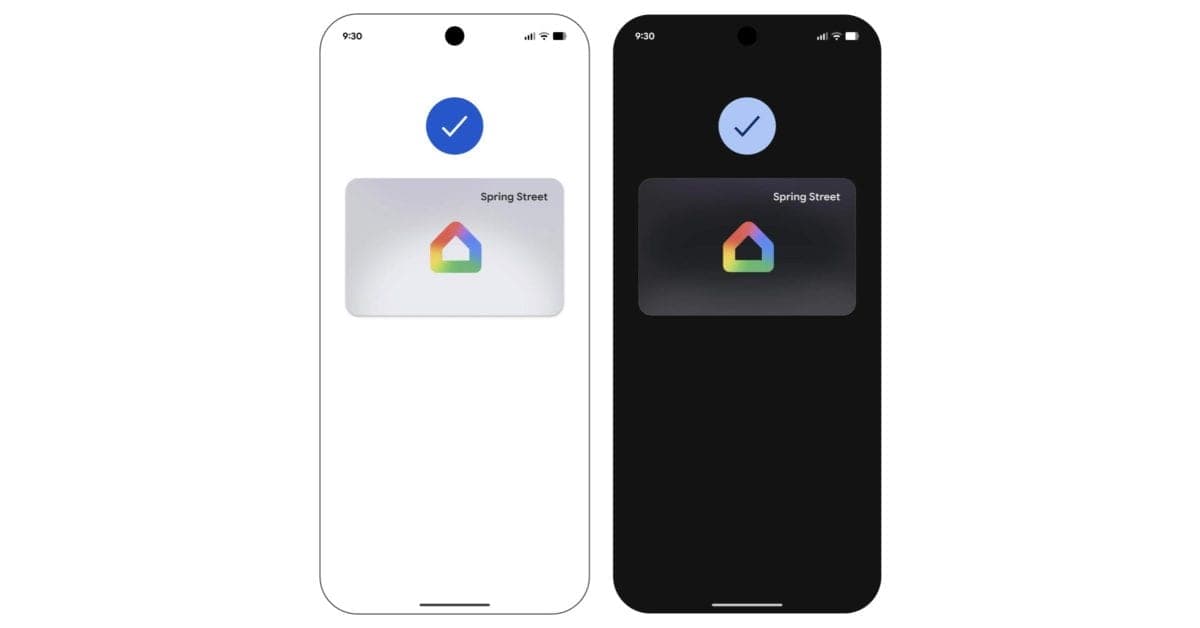
Google Wallet can now unlock your front door with a tap
Google Wallet on Android now holds digital home keys for compatible smart locks in Google Home. Tap your phone to open the door, or let it unlock as you walk up.
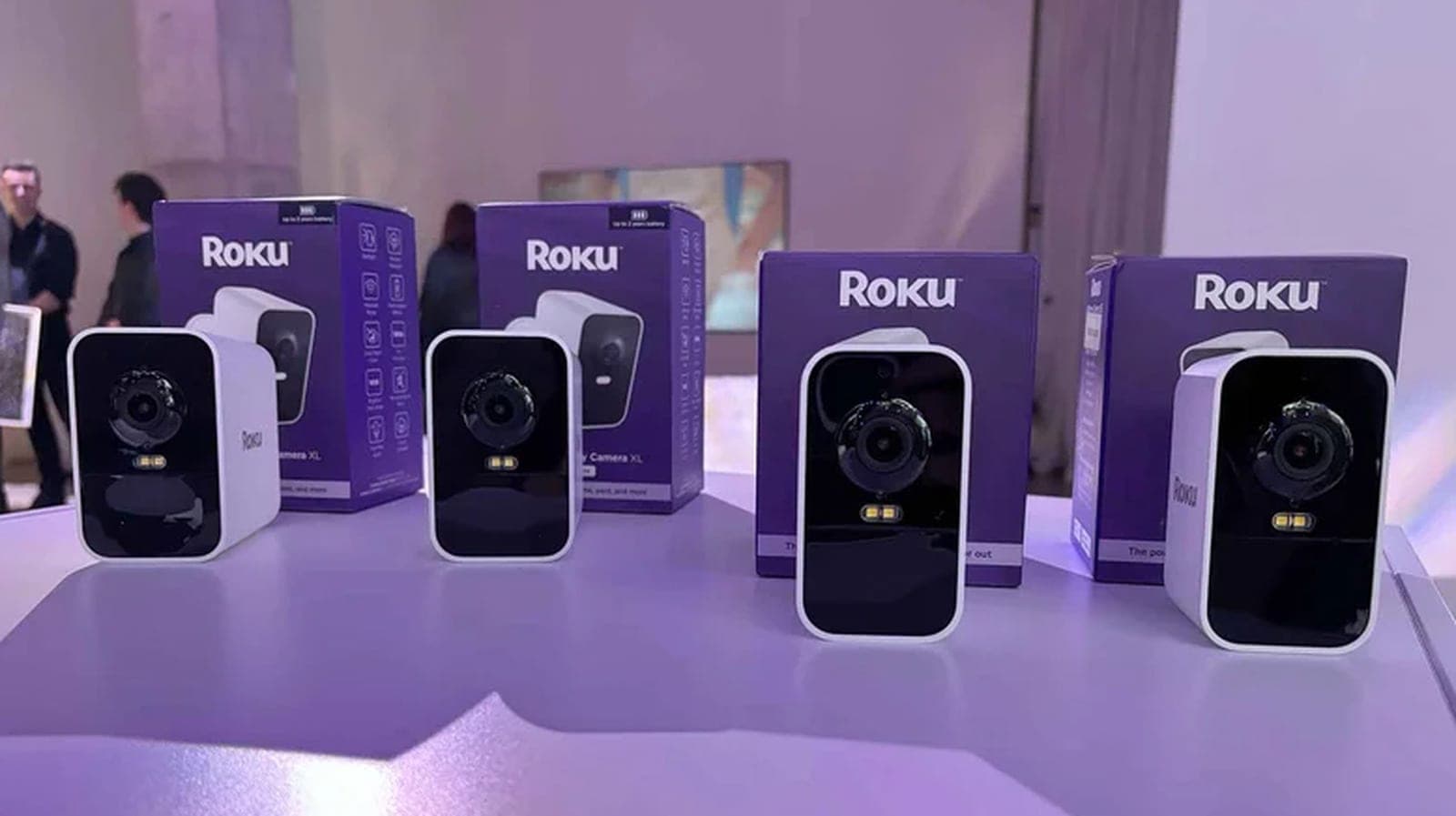
Roku is leaving the smart home to focus on streaming
Days after Fox closed its purchase of Roku, the company said it will stop selling cameras, doorbells, bulbs and plugs. Support for devices you already own continues.

Security researchers find proxy traffic exiting the White House network
Security firm Layer3 Intel says devices on the White House network acted as exit points for 28 residential proxy services 236 times in 30 days. The White House has not commented.
More in brief
- FAA lifts a nationwide ground stop after a communications outageNov 14
- Tesla opens Cybercab orders at $29,990, plus $299 a month to drive itNov 14
- Apple Sports adds UFC with live stats for every fight on the cardNov 13
- LangChain raises $300 million at a $3 billion valuation for AI agentsNov 13
- SignDrop, a new Windows zero-day, gives attackers full System rightsNov 13
- Microsoft's AI Frontiers research group is over, says co-founder John LangfordNov 13