
Technology·News & analysis
Apple weighs four new Vision Pro designs, Apple Glass targeted for 2027
Bloomberg reports Apple is testing four different designs for a revamped Vision Pro, including one with an external compute puck like Meta's, while its long-rumored Apple Glass smart glasses target a 2027 debut.
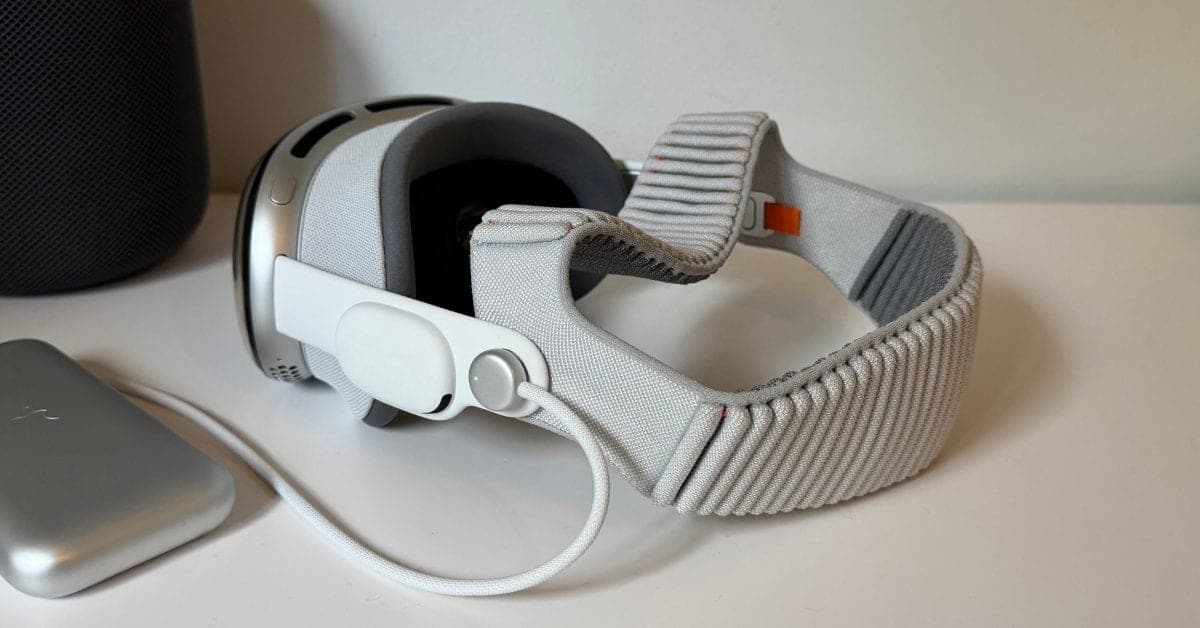
Bloomberg's Mark Gurman reports Apple is testing four different design concepts for a revamped Vision Pro, codenamed N224, including one that offloads compute to an external puck like Meta's new VR Glasses.
Some Apple executives reportedly prefer an all-in-one design instead. The project is on "life support" with no guaranteed launch, and could ship as late as 2028 or 2029. Apple's separate Apple Glass smart glasses still target a late 2027 debut, without a display at first.
What to know
- Apple is reportedly testing four different design concepts for a revamped Vision Pro, codenamed N224, Bloomberg's Mark Gurman reports.
- One concept offloads compute and battery to an external puck, similar to Meta's new VR Glasses; some Apple executives reportedly prefer an all-in-one design instead.
- The N224 project is reportedly on "life support" with no guaranteed launch, and could arrive as late as 2028 or 2029 if it ships.
- Apple's long-rumored Apple Glass smart glasses are still targeted for a late 2027 debut, without a display in their first version.
The current Apple Vision Pro isn't getting a sequel anytime soon, but Apple is reportedly still deciding what that sequel should even look like. Four different design concepts are in testing for a project codenamed N224.
What Bloomberg reported
Mark Gurman's Power On newsletter says Apple shelved its earlier N100 project, nicknamed Vision Air, last year. N224 picks up a similar goal: a lighter, more comfortable headset than today's M5-based Vision Pro.
- Codename: N224.
- Concepts in testing: Four, per Bloomberg.
- Predecessor: N100 ("Vision Air"), shelved last year.
Unlike N100, N224 doesn't appear to be aimed specifically at a lower price. It could instead succeed the current flagship Vision Pro outright, possibly at a similar or lower price while keeping the same tier of features.
The puck debate
One of the four concepts offloads compute and battery to an external puck, the same basic approach Meta just used for its new VR Glasses. The Vision Pro already has an external battery pack, so moving more hardware off the headset isn't a huge leap technically.
In real life Think of the puck approach like a laptop's power brick, except instead of just charging the device, it would also help run it, letting the headset itself stay lighter on your face.
The catch: some Apple executives reportedly don't love the puck idea and want to stick closer to an all-in-one design instead, which keeps everything built into the headset but makes it harder to cut weight.
A separate concept keeps the current egg-shaped Vision Pro form factor but experiments with different materials, including plastic and titanium, to bring the weight down without changing the external battery setup.
The weight gap that's driving this debate is significant. The current Vision Pro M5 headset alone weighs 750 to 800 grams, plus a separate 353-gram battery pack, putting total weight over a kilogram. Meta's new VR Glasses, by comparison, weigh about 100 grams on the face with a 300-gram puck, a combined total roughly a third of what Apple's headset carries.
| Device | On-face weight | Total weight |
|---|---|---|
| Apple Vision Pro M5 | 750-800g | Over 1,100g with battery |
| Meta VR Glasses | ~100g | ~400g with puck |
Meta's glasses also undercut Vision Pro sharply on price: $1,299.99 versus Vision Pro's $3,499 starting price. Whether Apple can hit a similar weight and price with N224 is exactly what those four concepts are meant to figure out.
Display technology is part of that equation too. Meta's glasses use a 5K micro-OLED display system running at up to 120Hz per eye, specs that didn't exist in a headset this light until this year. Matching or beating that while also cutting Vision Pro's weight in half or more is a harder engineering problem than either goal on its own.
Not guaranteed to ship
Bloomberg describes the N224 project as being on "life support," with no guarantee it reaches customers at all.
If it does ship, Gurman's reporting points to a window between late 2028 and early 2029, which would put roughly four years between Vision Pro's original 2024 launch and any true successor.
That gap says something about how Apple is treating the category. Vision Pro hasn't become a mainstream hit, and a slow, uncertain follow-up suggests Apple is still figuring out whether a second headset is worth building at all, rather than rushing to replace what it already has.
Why Vision Pro needs a rethink
By the numbers: Vision Pro shipped around 390,000 units in its 2024 launch year, according to IDC, before sales slowed sharply to roughly 45,000 units in a single quarter the following year.
That slowdown reportedly pushed Apple to cut Vision Pro production and scale back marketing spending by more than 95%. The $3,499 starting price, a limited app library, and comfort complaints during long sessions have all been cited as reasons the headset hasn't caught on more broadly.
Meta's Quest headsets, priced far lower, hold an estimated 80% of the VR headset market. Vision Pro was never positioned as a mass-market Quest competitor, but the wide gap in market share underscores how narrow Vision Pro's audience has stayed.
A hardware fix for a software problem?
Lighter hardware may not solve Vision Pro's biggest complaint: a thin app library. The estimated installed base has stayed under 500,000 units globally, which developers say makes building for the platform hard to justify financially.
Vision Pro still doesn't have native versions of Apple's own Pages, Numbers, or Find My apps, and popular third-party services like Spotify and Netflix remain absent. Reviewers have described recent visionOS updates as minor, with few new features since the platform launched in 2023.
A redesigned, lighter N224 headset would address weight and comfort complaints. It wouldn't, on its own, give developers a bigger reason to build for the platform, which is a separate problem hardware alone can't fix.
That distinction may be part of why Bloomberg describes N224 as being on shaky footing internally. A lighter headset is a real improvement for the people who already own one, but it doesn't automatically answer the harder question of why more people should buy one in the first place.
Apple Glass: still "2027"
Apple's other head-worn project, smart glasses often referred to as Apple Glass, keeps landing on the same year in report after report.
| Report | Apple Glass timeline |
|---|---|
| September 2025 (Gurman) | Late 2026 or early 2027 |
| June 2025 (Ming-Chi Kuo) | Late 2027 |
| May 2026 (Gurman) | Late 2027 |
| September 2026 (Gurman) | Late 2027 |
What's next: the first version reportedly won't have a display at all, closer to Meta's camera-and-audio Ray-Ban glasses than a true AR headset, with a display-equipped version expected to follow later.
Unlike the VR headset market, where Vision Pro was never chasing Quest's volume, smart glasses are where Apple has real ground to make up. Meta and Ray-Ban maker EssilorLuxottica sold more than 7 million Ray-Ban Meta smart glasses in 2025 alone, and Meta now holds roughly 69% of the entire smart glasses market. Production targets have reportedly been raised to 20 to 30 million units by the end of 2026.
The same Power On newsletter also mentions AirPods with built-in camera sensors and a screen-free fitness band as other concepts Apple has explored, alongside its headset and glasses work. None of those are confirmed products, but they point to a broader push into wearables beyond the Apple Watch and iPhone.
That pattern matters because it suggests Apple's wearables strategy is splitting into two tracks running at different speeds. Glasses, cameras, and fitness bands are lower-cost, higher-volume ideas that can ship relatively quickly and compete directly with what Meta is already selling millions of. A full mixed-reality headset like N224 is the opposite: expensive, complex, and apparently still searching for its own reason to exist beyond replacing the current Vision Pro.
The bottom line
Apple is testing four different paths for a Vision Pro successor, but the project itself isn't guaranteed to survive, and even a green light points to a 2028 or 2029 launch. Apple Glass, meanwhile, keeps circling the same "late 2027" target it's held for over a year. Neither product is close, but both show Apple is still committed to head-worn hardware even after Vision Pro's slow start.
Read more about Apple on Techlantis.
Key facts
- Project
- Vision Pro successor, codenamed N224
- Design concepts
- Four in testing, per Bloomberg's Mark Gurman
- Possible launch
- Late 2028 or early 2029, if it ships
- Apple Glass target
- Late 2027, no display at first
- Status
- N224 reportedly "on life support"
Got questions?
Quick answers, plain wordsWhat is Apple's N224 project?
N224 is the codename for a revamped Vision Pro successor Apple is reportedly developing, with engineers exploring four different design concepts for it.
How many Vision Pro design concepts is Apple testing?
Bloomberg reports Apple currently has four concepts in the works for the N224 headset, ranging from a redesigned all-in-one device to one with external compute.
Will the new Vision Pro have an external battery puck?
It's one option under consideration. One concept offloads compute and battery to an external puck, similar to Meta's new VR Glasses, though some Apple executives reportedly prefer an all-in-one design.
When could the new Vision Pro launch?
Bloomberg's Mark Gurman says the project could launch between late 2028 and early 2029, if it ships at all, since it's reportedly on "life support."
What happened to the original Vision Air project?
A separate lighter Vision Pro project, codenamed N100 and nicknamed Vision Air, was reportedly shelved last year before this new N224 effort began.
When is Apple Glass expected to launch?
Reports point to a late 2027 target for Apple Glass, a timeline that has shifted slightly over the past year but has consistently pointed to 2027.
Will Apple Glass have a display?
Not at first. Current reporting suggests the first version will have audio, camera, and smart features similar to Meta's Ray-Ban glasses, with a display added in a later version.
Who reported this information?
Bloomberg's Mark Gurman, in his Power On newsletter, citing people familiar with Apple's internal product planning.
Is the N224 project guaranteed to ship?
No. Bloomberg describes the project as being on "life support," meaning Apple could still cancel it before it reaches customers.
What other wearable products is Apple reportedly working on?
The same report mentions AirPods with camera sensors and a screen-free fitness band as other concepts Apple has explored alongside its headset and glasses work.
Sources9to5Mac
Topics and tagsMeta, Apple, Data centers, apple
Related stories
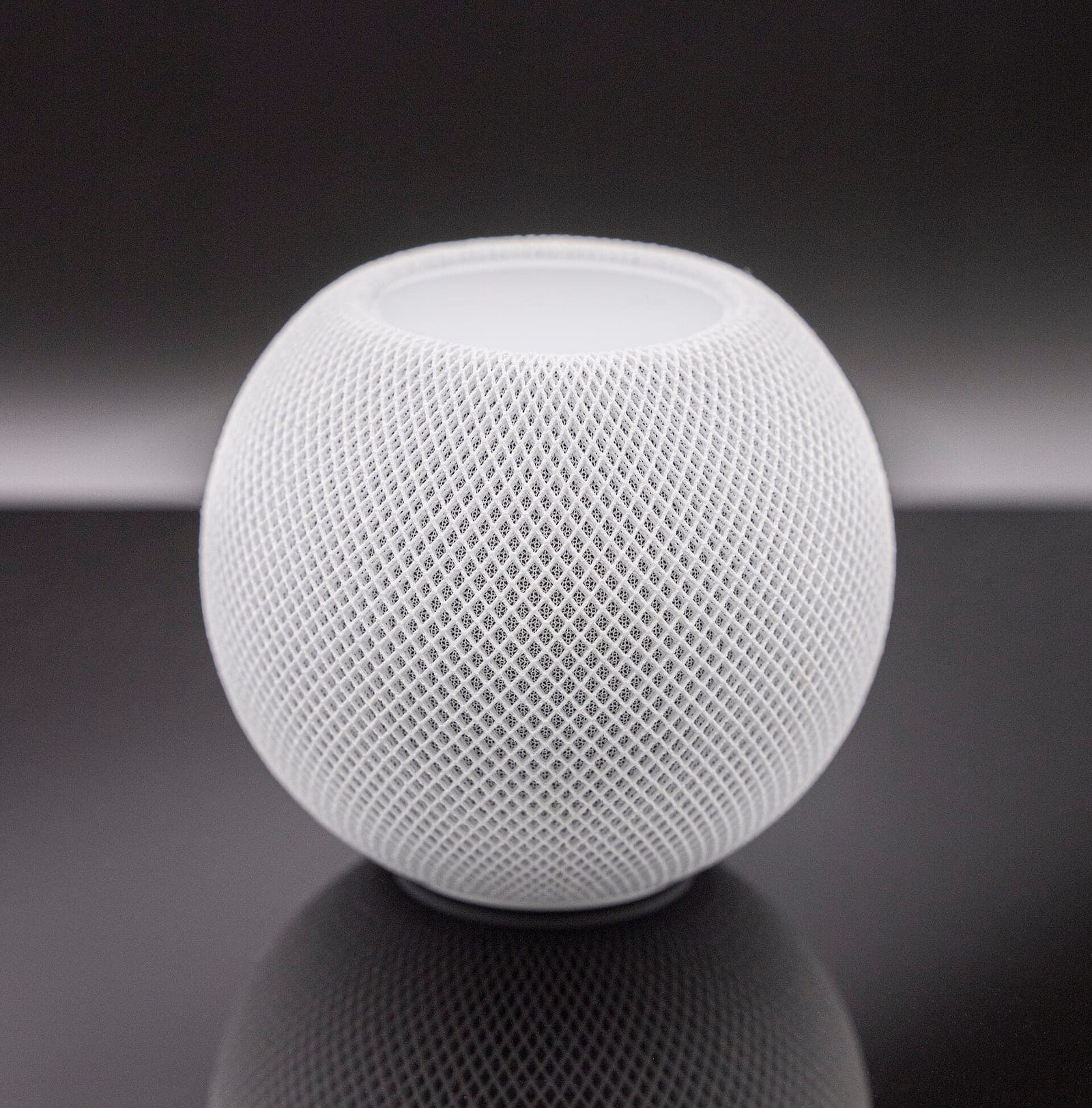
Apple's smart home hub reportedly launches October 13, with a camera that never records video
Bloomberg's Mark Gurman says Apple will announce its long-rumored smart home display on October 13. He also describes a companion home camera that sends text descriptions instead of video.
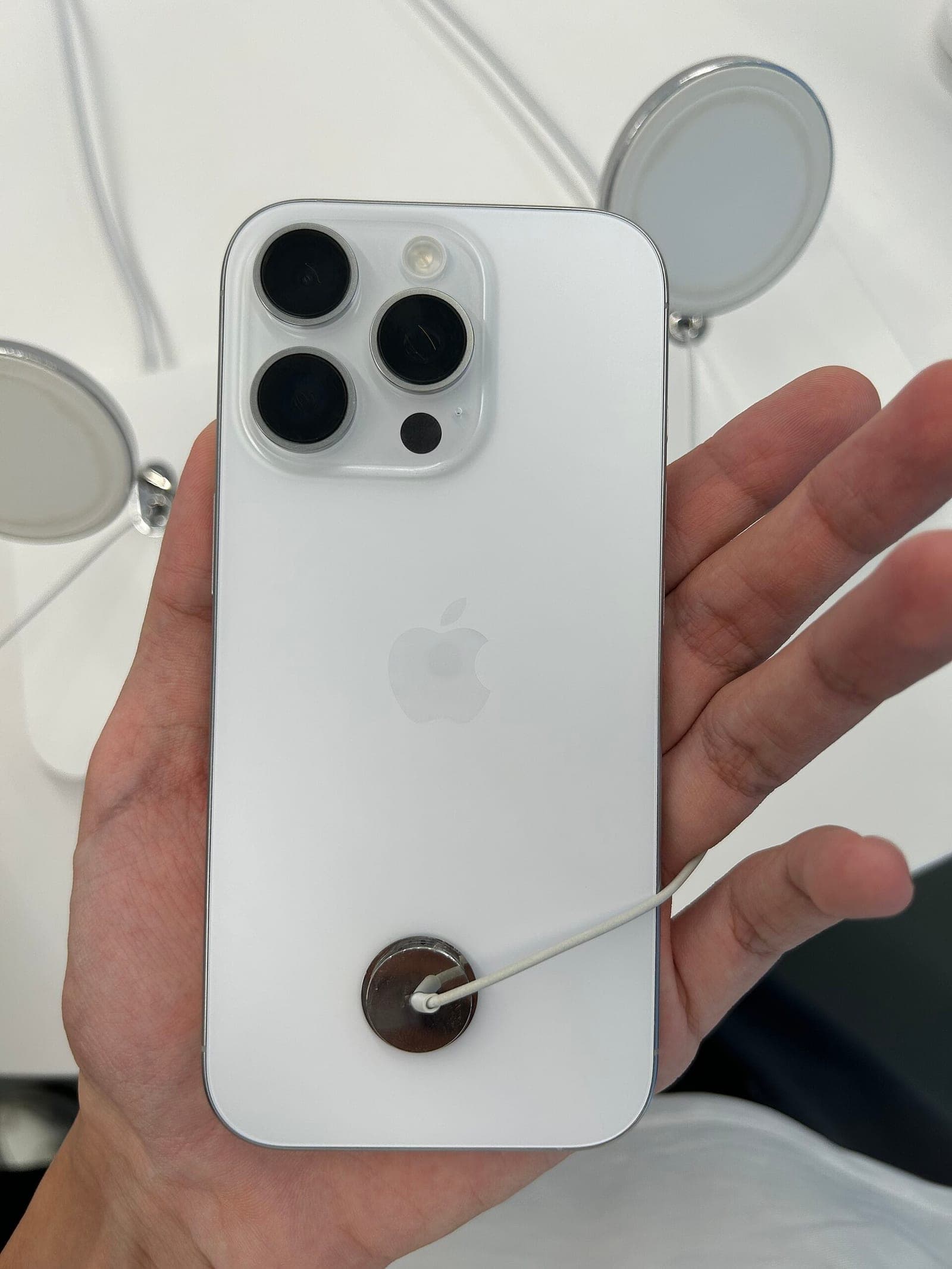
GrayKey maker reportedly found a way around the iPhone's Inactivity Reboot
A leaked training video seen by 404 Media says Magnet Forensics' new tools keep a seized iPhone in an easier-to-search state, even after the reboot Apple added in iOS 18.1.

Apple Music just reached 4 countries it somehow skipped for 11 years
Apple Music quietly launched in Albania, Brunei, Burkina Faso, and Pakistan, bringing its global total to 172 countries and regions more than a decade after the service first debuted.
More in brief
- arXiv limits researchers to two papers a month as AI drives submissions to a recordOct 2
- California will fine robotaxi companies that block first responders for over 30 minutesOct 2
- Microsoft launches real-time transcription and new voice models for AI voice agentsOct 1
- Cloudflare releases Clef, open-weight AI models that make yes-or-no decisions fastOct 1
- Fervo's Cape Station becomes the first enhanced geothermal plant to sell power commerciallyOct 1
- Cloudflare renames its data platform Basin and makes it generally availableOct 1