
Technology·News & analysis
Jury orders Apple to pay $5.7 billion over Taptic Engine patents
A federal jury says Apple's Taptic Engine infringes two of Taction Technology's haptic feedback patents, ordering the company to pay more than $5.7 billion in one of the largest patent verdicts in U.S. history.
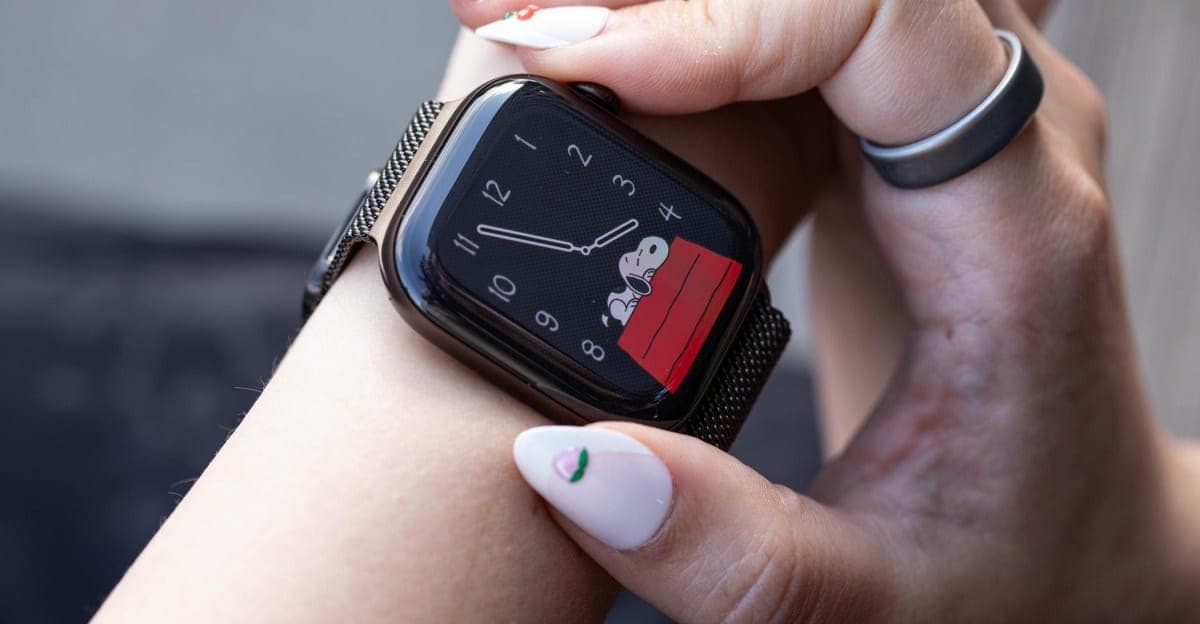
A San Diego federal jury ordered Apple to pay more than $5.7 billion to Taction Technology, ruling that the Taptic Engine, the part that makes iPhones and Apple Watches buzz, infringes two of Taction's vibration patents.
Jurors found the infringement was not willful. The award is among the largest patent verdicts in US history, close to a fifth of Apple's latest quarterly profit. Apple says its technology is different and will appeal, so the amount isn't final.
What to know
- A San Diego federal jury found Apple's Taptic Engine infringes two Taction Technology patents on vibration feedback.
- The $5.7 billion award is one of the largest patent verdicts in US history, close to a fifth of Apple's most recent quarterly profit.
- Jurors did not find Apple's infringement willful. Apple says it will appeal.
- Apple already lost a similar fight: a trial judge denied Apple's bid for a new trial in the $634 million Masimo verdict in July.
A federal jury in San Diego says Apple owes more than $5.7 billion to a small haptics company most people have never heard of. The case centers on the Taptic Engine, the vibration hardware behind every buzz and click on an iPhone or Apple Watch.
What the jury found
Taction Technology, a San Diego haptics company that makes audio and gaming accessories, sued Apple in 2021. Taction argued Apple's Taptic Engine used two of its patents on vibration-based tactile feedback without a license.
The jury agreed. After a trial that started September 14 and two days of deliberation, jurors found Apple infringed both patents and awarded Taction more than $5.7 billion on Friday.
- Patents: US 10,659,885 and 10,820,117, covering vibration-based tactile transducer technology.
- Verdict: Apple infringed both patents, but not willfully.
- Damages: More than $5.7 billion, among the largest patent awards on record.
The jury did not find Apple's infringement willful, meaning it stopped short of the harsher penalties a "willful" finding can trigger.
Inside the Taptic Engine fight
Vibration feedback sounds minor, but it's baked into how hundreds of millions of people interact with their phones and watches every day. That scale is exactly why patents behind it are worth billions in court.
Taction's patents cover the kind of vibration-based transducer that turns an electrical signal into the tap, click, or rumble you feel in your hand. Taction's complaint said Apple was "capitalizing on Taction's innovation and success" without a license, according to the original filing.
Apple disagrees. The company says Taction's own testing during the trial confirmed the Taptic Engine works differently from what Taction patented.
The claims themselves get specific. Court filings describe the patents as covering "an apparatus for imparting motion to the skin of a user," built from coils that carry electrical current paired with magnets. A central dispute at trial was whether Apple's hardware counted as a "highly damped" transducer the way Taction's patent describes.
In real life If you've ever felt your iPhone or Apple Watch buzz when you tap an app icon, get a notification, or type on the keyboard, that's the Taptic Engine this case is about.
A federal judge dismissed Taction's case in 2023, but the U.S. Court of Appeals for the Federal Circuit revived it a couple of years later, sending the dispute back toward trial.
Seven jurors, one big number
Seven jurors heard the case. They deliberated for two full days after the trial wrapped, before returning their verdict on Friday afternoon.
By the numbers: $5.7 billion would rank among the largest patent infringement payouts ever recorded in the U.S., ahead of the more than $3 billion in verdicts VLSI has won against Intel.
For scale, $5.7 billion is close to a fifth of Apple's entire net profit for its most recent fiscal quarter, when the company reported $29.8 billion in profit on $109.4 billion in revenue.
Taction's lead counsel, Lance Yang of Quinn Emanuel, told CNBC the company "waited five and a half years for this case to get to trial, so it was a long time coming."
Litigation funding is part of this story too. Bloomberg Law has described Taction as backed by outside litigation funding, a common arrangement where an investor covers legal costs in exchange for a cut of any award. That's part of why patent cases against a company as large as Apple can drag on for half a decade before reaching a jury.
Apple's next move
Apple says it will appeal. In a statement to CNBC, the company said: "We strongly disagree with today's verdict and the damages awarded, which are entirely unsupported by the facts. Apple's Taptic Engine is fundamentally different from Taction's technology, which Taction's own testing of Apple's products confirmed during trial. Apple does not use Taction's technology, and we will appeal."
The catch: An appeal can take months or longer, and courts can reduce damages, uphold them, or order an entirely new trial, so the $5.7 billion figure isn't final yet.
A pattern of patent losses
This isn't Apple's first nine-figure patent fight, and its recent record on appeals isn't encouraging.
| Case | Result |
|---|---|
| Taction Technology (2026) | $5.7B+ verdict, Apple appealing |
| Masimo (blood-oxygen patent, 2025) | $634M jury award; judge denied new trial in 2026 |
| Immersion (haptics, iPhone/Watch/Mac) | Settled for an undisclosed amount |
| VLSI Technology v. Intel (ongoing) | Over $3B in verdicts, contested |
Apple isn't the only device maker in this position. VLSI Technology has won more than $3 billion combined across separate jury verdicts against Intel since 2021, in a fight dating back to 2017.
That case isn't settled either. Intel recently convinced a different jury that VLSI is effectively controlled by litigation funder Fortress Investment Group, a finding that could let Intel avoid paying the verdicts entirely. Big patent wins, in other words, don't always mean big checks get cut.
Apple's own history with haptics litigation goes back further than Taction. Immersion Corporation sued Apple years earlier, also alleging that haptic feedback in iPhones, Apple Watches, and MacBooks used its patented technology. That case ended in a settlement for an undisclosed amount, without a public trial or jury verdict.
Masimo sued Apple in 2020 over pulse oximetry patents used in the Apple Watch. In 2023, an International Trade Commission ruling led to a U.S. import ban on some Apple Watch models, and Apple temporarily disabled blood-oxygen monitoring before shipping a redesigned version of the feature in 2025.
A separate jury in that same Masimo lawsuit awarded $634 million in November 2025 over Apple Watch heart-rate and notification features. In July 2026, the trial judge denied Apple's bid for a new trial and let that verdict stand, rejecting the company's post-trial challenge.
If the Taction case follows a similar path, Apple's appeal could take months, and the Masimo outcome suggests judges won't necessarily side with Apple even after a loss at trial.
How the appeal actually works
A jury verdict isn't the last word. Apple can first ask the trial judge to throw out the verdict or order a new trial, the same move it tried and lost in the Masimo case.
If that fails, Apple can take the case to the U.S. Court of Appeals for the Federal Circuit, the same court that revived Taction's lawsuit back in 2023. That court can uphold the verdict, cut the damages, or send the whole case back for a new trial.
None of that happens quickly. The Federal Circuit took roughly two years to rule on Taction's first appeal, and Apple's Masimo appeal is still working through the same kind of process nearly a year after that verdict.
Interest adds up while a case drags on, too. In the VLSI case, the court's final judgment included tens of millions of dollars in pre-judgment and post-judgment interest on top of the jury's original award, a reminder that a years-long appeal doesn't freeze the amount owed in place.
The bottom line
A jury says Apple's Taptic Engine used patented technology without permission, and put a $5.7 billion price tag on it. Apple disagrees and is appealing, but its own Masimo case shows that appeal isn't guaranteed to work, so this is a costly loss that isn't going away quietly.
Read more about Apple on Techlantis.
Key facts
- Damages awarded
- $5.7 billion+
- Patents at issue
- US 10,659,885 and 10,820,117
- Plaintiff
- Taction Technology (San Diego)
- Verdict date
- September 25, 2026
- Willful infringement
- No, jury said
Got questions?
Quick answers, plain wordsWhat did the jury decide in the Apple v. Taction case?
A federal jury in San Diego found that Apple's Taptic Engine infringes two of Taction Technology's patents on vibration-based haptic feedback, and awarded Taction more than $5.7 billion in damages.
How much does Apple have to pay Taction?
The jury awarded Taction Technology more than $5.7 billion. Apple has said it will appeal, so the final amount could still change before anyone gets paid.
What is the Taptic Engine?
The Taptic Engine is the vibration motor Apple builds into iPhones and Apple Watches to create the buzzes and clicks you feel when you tap, get a notification, or use certain apps.
Which Apple products use the Taptic Engine?
Apple's iPhone and Apple Watch lines have used Taptic Engine hardware for years to produce tactile feedback for touches, alerts, and interface actions.
Will Apple actually pay $5.7 billion?
Not necessarily, at least not yet. Apple has said it will appeal the verdict, and damages in cases like this can be reduced, upheld, or sent back for a new trial during that process.
What does Apple say about the verdict?
Apple said it strongly disagrees with the verdict and the damages, calling them unsupported by the facts, and said the Taptic Engine is fundamentally different from Taction's technology.
Who is Taction Technology?
Taction Technology is a San Diego company that makes audio and gaming accessories with haptic feedback, and it originally sued Apple over the Taptic Engine patents in 2021.
Has Apple faced similar patent lawsuits before?
Yes. A separate jury ordered Apple to pay Masimo $634 million in November 2025 over Apple Watch blood-oxygen patents, and the trial judge denied Apple's bid for a new trial in July 2026, letting that verdict stand.
Is this the biggest patent verdict Apple has faced?
It's one of the largest patent verdicts against any tech company on record, well above the $634 million Masimo award or Apple's earlier haptics settlement with Immersion.
What happens to the blood-oxygen feature in the Masimo case?
That's a separate dispute. An International Trade Commission ruling led Apple to disable blood-oxygen monitoring on some Apple Watch models before shipping a redesigned version of the feature in 2025.
What happens next in the Taction case?
Apple is expected to file an appeal, which could take months or longer to resolve and may change the final damages figure before any payment is finalized.
SourcesCNBC
Topics and tagsApple, AI policy, apple, patent lawsuit
Related stories
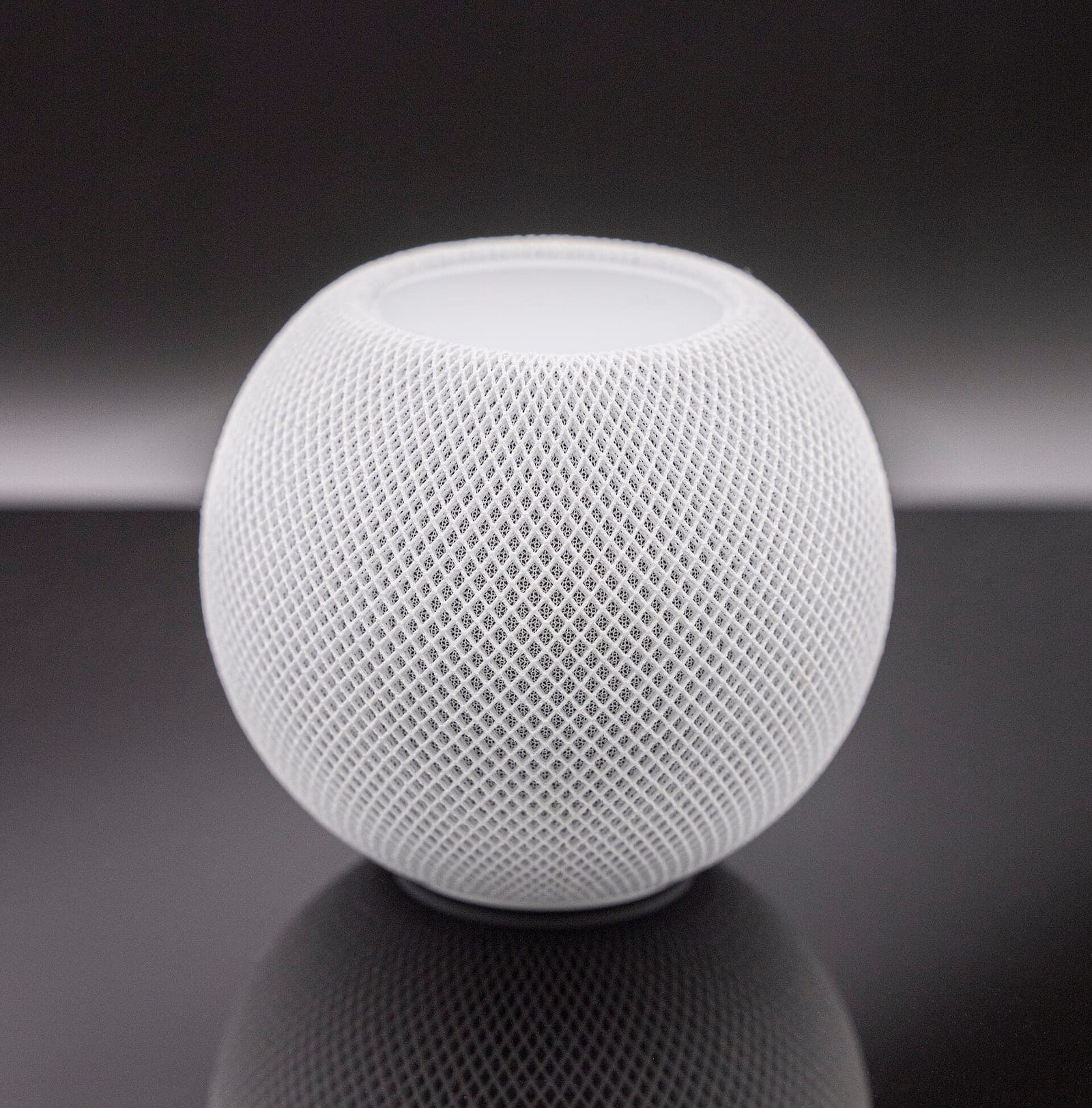
Apple's smart home hub reportedly launches October 13, with a camera that never records video
Bloomberg's Mark Gurman says Apple will announce its long-rumored smart home display on October 13. He also describes a companion home camera that sends text descriptions instead of video.
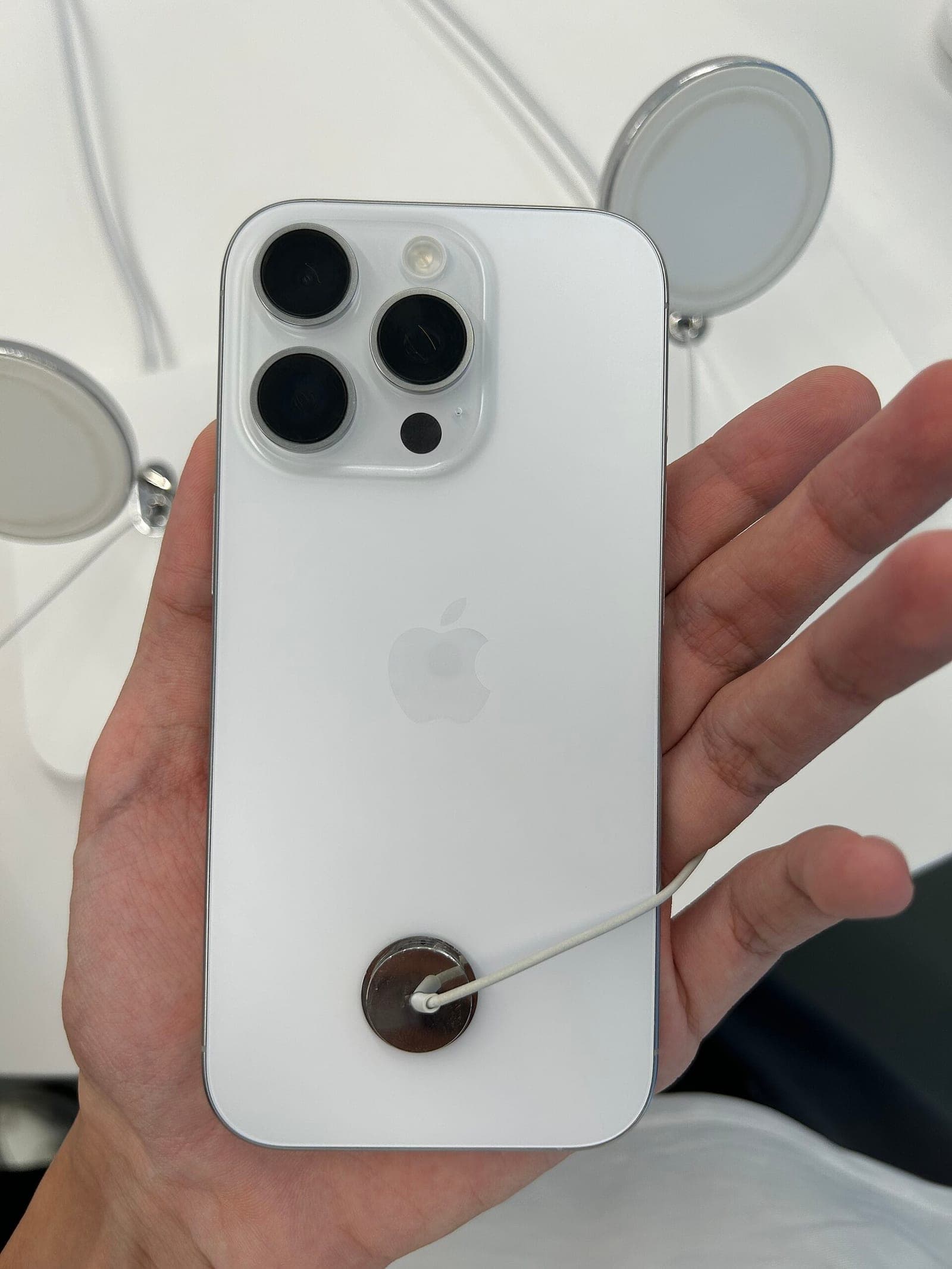
GrayKey maker reportedly found a way around the iPhone's Inactivity Reboot
A leaked training video seen by 404 Media says Magnet Forensics' new tools keep a seized iPhone in an easier-to-search state, even after the reboot Apple added in iOS 18.1.
Apple Music just reached 4 countries it somehow skipped for 11 years
Apple Music quietly launched in Albania, Brunei, Burkina Faso, and Pakistan, bringing its global total to 172 countries and regions more than a decade after the service first debuted.
More in brief
- arXiv limits researchers to two papers a month as AI drives submissions to a recordOct 2
- California will fine robotaxi companies that block first responders for over 30 minutesOct 2
- Microsoft launches real-time transcription and new voice models for AI voice agentsOct 1
- Cloudflare releases Clef, open-weight AI models that make yes-or-no decisions fastOct 1
- Fervo's Cape Station becomes the first enhanced geothermal plant to sell power commerciallyOct 1
- Cloudflare renames its data platform Basin and makes it generally availableOct 1