
Technology·News & analysis
Apple tells lawmaker it pulled ICEBlock over agent and detainee safety concerns
In a July letter to Rep. Jamie Raskin, Apple said it removed ICEBlock and similar apps in 2025 over safety concerns following a fatal shooting at a Dallas ICE facility.
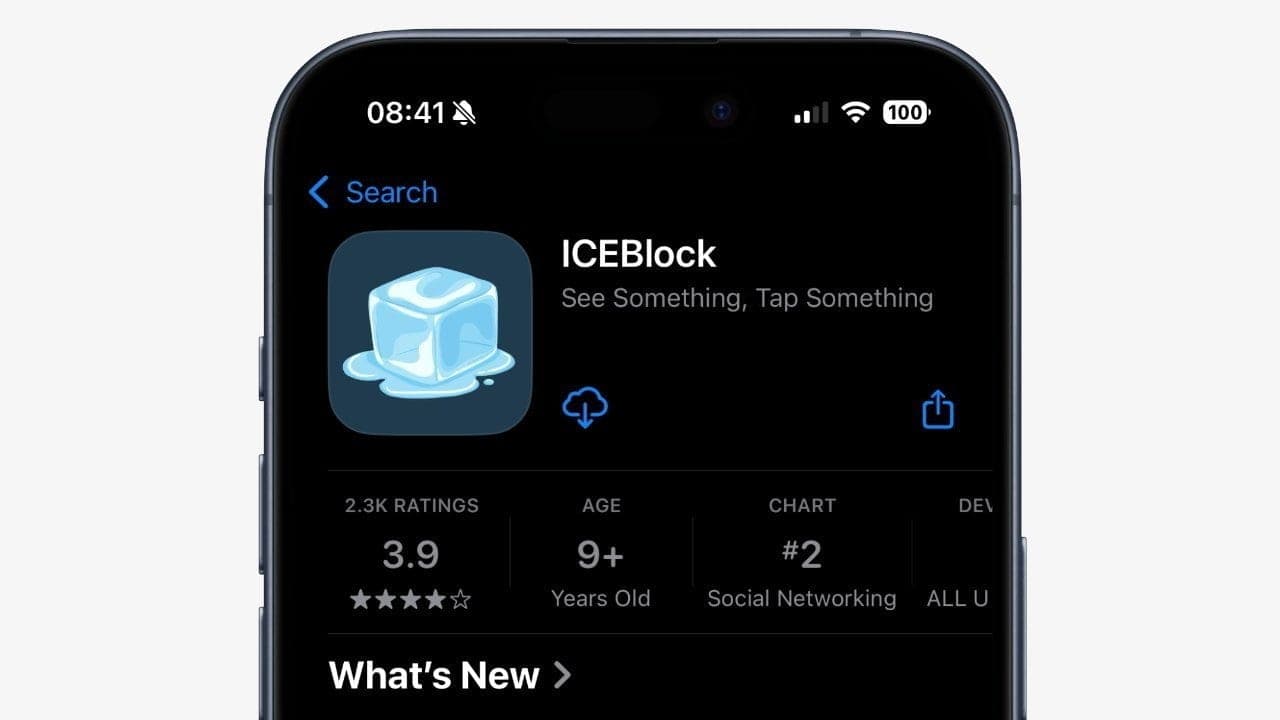
Apple told Rep.
Jamie Raskin it pulled ICEBlock in October 2025 over agent and detainee safety concerns, after the Justice Department directly asked it to. That's Apple's clearest public account yet of a politically contentious app removal made under government pressure. Raskin says Apple's cooperation may have helped limit constitutionally protected speech, and the app's developer has since sued Trump administration officials. Both the congressional investigation and the lawsuit remain unresolved.
What to know
- Apple told Rep. Jamie Raskin in a July letter that it removed ICEBlock and similar ICE-tracking apps in October 2025 over agent and detainee safety concerns.
- The removal followed a fatal shooting at a Dallas ICE facility in September 2025 that killed one detainee and critically injured two others.
- Attorney General Pam Bondi said the DOJ directly asked Apple to remove ICEBlock, and Apple complied the same day.
- Raskin, who is investigating the removal, said Apple's explanation suggests it may have helped the government limit constitutionally protected speech, and asked for an independent policy review.
- ICEBlock's creator, Joshua Aaron, sued Trump administration officials in December 2025, alleging the pressure to remove the app violated free speech protections.
Nearly a year after pulling ICEBlock from the App Store, Apple has given its clearest public explanation yet for why, and the lawmaker who asked isn't fully satisfied.
What Apple said
In a July letter to Rep. Jamie Raskin, Apple explained that it removed ICEBlock and similar ICE-tracking apps in October 2025 specifically over concerns for the safety of both ICE agents and detainees.
- The app: ICEBlock let users anonymously report ICE agent sightings nearby, similar to how some navigation apps let drivers flag police speed traps.
- The removal: happened in October 2025, roughly a year before Apple's letter to Raskin became public.
- The stated reason: agent and detainee safety, not a broader objection to the app's function or purpose.
The catch: Apple's explanation came only after Raskin, ranking member of the House Judiciary Committee, launched an investigation into the DOJ's role in the removal and its effect on constitutionally protected speech.
The shooting that preceded the removal
Apple's safety concerns didn't emerge in a vacuum. On September 24, 2025, a gunman opened fire at an ICE facility in Dallas, killing one detainee and critically injuring two others before fatally shooting himself.
The FBI said the shooter had recently searched for apps that track ICE agents' locations, a detail that became central to the government's case for pulling ICEBlock days later.
By the numbers: the shooting happened in late September 2025; Apple and Google removed ICE-tracking apps from their stores within days, in early October.
How the removal actually happened
According to Attorney General Pam Bondi, the Justice Department directly asked Apple to remove ICEBlock, and Apple complied the same day. Bondi has publicly credited the DOJ's outreach for the app's swift removal from the App Store.
Google removed comparable apps from the Play Store around the same time, facing similar government pressure following the Dallas shooting.
Raskin pushes back
Raskin's response to Apple's July letter wasn't satisfied acceptance. He said Apple's cooperation with the DOJ's request suggests the company may have helped the government limit constitutionally protected speech, a concern rooted in the First Amendment right to record and report on government activity.
Why it matters: Raskin specifically noted there's no evidence ICEBlock was used in planning or carrying out the Dallas shooting, undercutting the direct causal link the removal request implied. He asked Apple to conduct a new, independent review of whether the app actually violated Apple's own App Store policies, separate from the government's safety concerns.
The developer fights back
ICEBlock's creator, Joshua Aaron, didn't wait for congressional review to respond. He sued Trump administration officials on December 8, 2025, alleging that the pressure applied to Apple to remove his app violated his free speech rights.
That lawsuit puts the dispute into a different arena entirely: rather than an app-store policy question Apple can resolve unilaterally, it's now a constitutional question about government pressure on private platforms, working its way through the courts independent of whatever Congress decides to do with Raskin's investigation.
Just how popular the app had gotten
ICEBlock wasn't a fringe app when it was removed. At the beginning of July 2025, it was already the third-most popular free app on the App Store, with roughly 95,200 users. Media attention, including a CNN report and criticism from Trump administration officials, only accelerated that growth.
The scale by removal time: ICEBlock had crossed 1 million downloads by around September 2025, becoming the most downloaded free social networking app on the App Store at its peak, according to its developer. That popularity is part of why its October removal drew so much attention, this wasn't a niche tool disappearing quietly, but one of the most-downloaded apps in the country at the time it came down.
Not the first time Apple has faced this pressure
This isn't the first time Apple has pulled an app under direct pressure tied to law enforcement or government activity. In 2019, Apple removed HKmap.live, an app that let Hong Kong protesters track police and water cannon locations in real time, after Chinese state media accused the company of aiding "rioters" with what it called "poisonous software."
The pattern rhymes: in both cases, Apple initially allowed the app to operate, faced escalating public pressure tied to a government's safety or security framing, and ultimately removed it. Apple briefly reinstated HKmap.live before banning it again days later, showing how quickly Apple's position shifted under continued pressure.
That 2019 episode also drew bipartisan criticism from US lawmakers at the time, who accused Apple of capitulating to Beijing rather than defending free expression, a criticism strikingly similar in structure to what Raskin is now raising about ICEBlock, just aimed at a different government and a different target audience for the app in question.
The argument for ICEBlock's defenders
Supporters of ICEBlock and similar apps have consistently made one core argument: the app's core function, alerting users to nearby law enforcement activity, isn't functionally different from features already built into mainstream mapping apps that let drivers report speed traps or checkpoints to other users.
That comparison is central to the free-speech argument Aaron's lawsuit and Raskin's investigation both lean on: if reporting police locations is protected, uncontroversial functionality in one context, treating a functionally similar app as a safety threat in another context raises the question of what specifically makes the difference, the technology itself or who it's reporting on.
Why this took so long to become public
Apple's July letter answering Raskin's questions only became public reporting material now, in late September, nearly a full year after the actual app removal happened. That gap reflects how slowly congressional investigations into tech company decisions typically move, especially ones that intersect with an active DOJ enforcement action and a pending federal lawsuit.
It also means the public is only now getting a fuller picture of Apple's internal reasoning, well after the practical effect, ICEBlock's disappearance from the App Store, was already felt by everyone who'd been using it.
The policy Apple is actually leaning on
Apple's App Store Review Guidelines include a specific provision, section 1.4.4, rejecting apps "used to commit or attempt to commit crimes of any kind by helping users evade law enforcement." That's the closest existing policy language to the justification Apple appears to be relying on in its explanation to Raskin.
The tension in applying it here: ICEBlock's function, crowdsourced location alerts, doesn't map cleanly onto "helping users evade law enforcement" in the way the guideline seems to anticipate, since the app wasn't marketed or built around helping anyone commit a separate crime.
That gap is exactly what Raskin's requested independent review would need to resolve: whether ICEBlock actually violated this guideline on its own terms, or whether it was applied here specifically because of government pressure rather than a genuine violation Apple's own review process identified independently.
The bottom line
Apple's letter answers the narrow question of why it pulled ICEBlock, but it doesn't resolve the bigger dispute over whether a private company complying with a same-day government removal request under safety justification crosses into suppressing protected speech. That larger question is now sitting with both Congress, through Raskin's ongoing investigation, and the federal courts, through Aaron's lawsuit, and neither is likely to produce a fast answer.
Key facts
- App removed
- ICEBlock (and similar apps)
- Removal date
- October 2025
- Trigger event
- Fatal shooting at Dallas ICE facility, September 24, 2025
- Lawmaker
- Rep. Jamie Raskin (D-MD)
- Developer lawsuit filed
- December 8, 2025
Got questions?
Quick answers, plain wordsWhat is ICEBlock?
An app created by developer Joshua Aaron that let users anonymously report sightings of ICE agents nearby, functioning similarly to how some navigation apps let users report police presence.
Why did Apple remove it?
Apple told Rep. Jamie Raskin in a July letter that it removed ICEBlock and similar apps over concerns for the safety of ICE agents and detainees, a decision it made in October 2025.
What triggered the removal?
A September 24, 2025 shooting at a Dallas ICE facility, in which a gunman killed one detainee and critically injured two others before fatally shooting himself. The FBI said the gunman had recently searched for apps tracking ICE agents' locations.
Did the government pressure Apple directly?
Yes, according to Attorney General Pam Bondi, who said the Justice Department directly asked Apple to remove ICEBlock and that Apple complied the same day.
What does Rep. Raskin say about this?
Raskin, the ranking member of the House Judiciary Committee, said Apple's cooperation suggests the company may have helped the government limit constitutionally protected speech. He noted there's no evidence the app was used in planning the Dallas shooting, and asked Apple to conduct an independent review of whether the app actually violated its own policies.
What happened to ICEBlock's creator?
Joshua Aaron sued Trump administration officials on December 8, 2025, alleging the pressure applied to Apple to remove his app violated his free speech rights.
Did Google remove similar apps too?
Yes, Google removed comparable ICE-tracking apps from its Play Store around the same time in October 2025, following the same wave of government pressure.
What do ICEBlock supporters argue?
Supporters have argued the app functioned similarly to features in mapping apps that let users report police speed traps, and that it was a tool for avoiding law enforcement contact rather than a threat to agent safety.
SourcesCNN
Topics and tagsApple, AI agents, AI safety, AI policy
Related stories
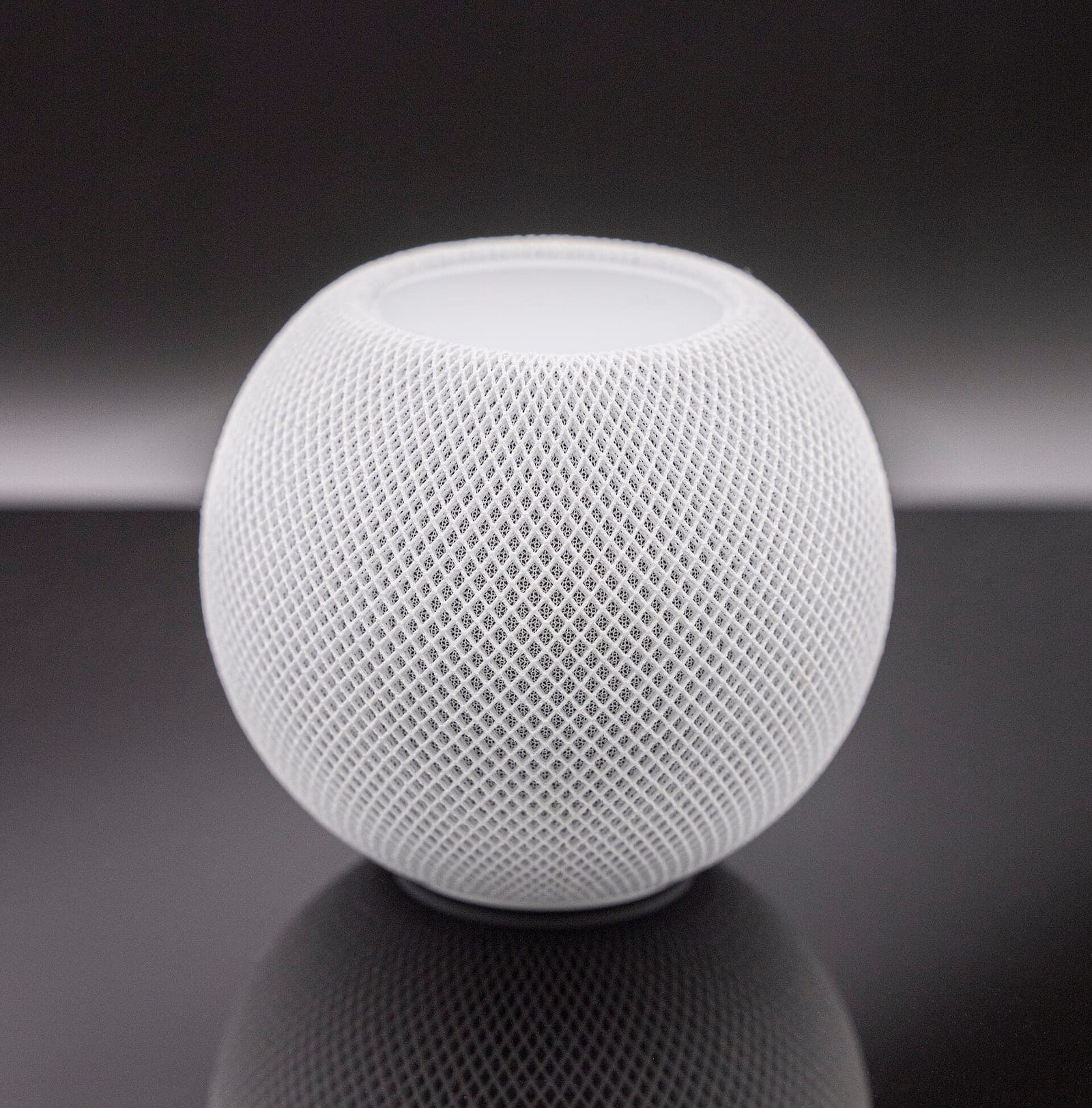
Apple's smart home hub reportedly launches October 13, with a camera that never records video
Bloomberg's Mark Gurman says Apple will announce its long-rumored smart home display on October 13. He also describes a companion home camera that sends text descriptions instead of video.
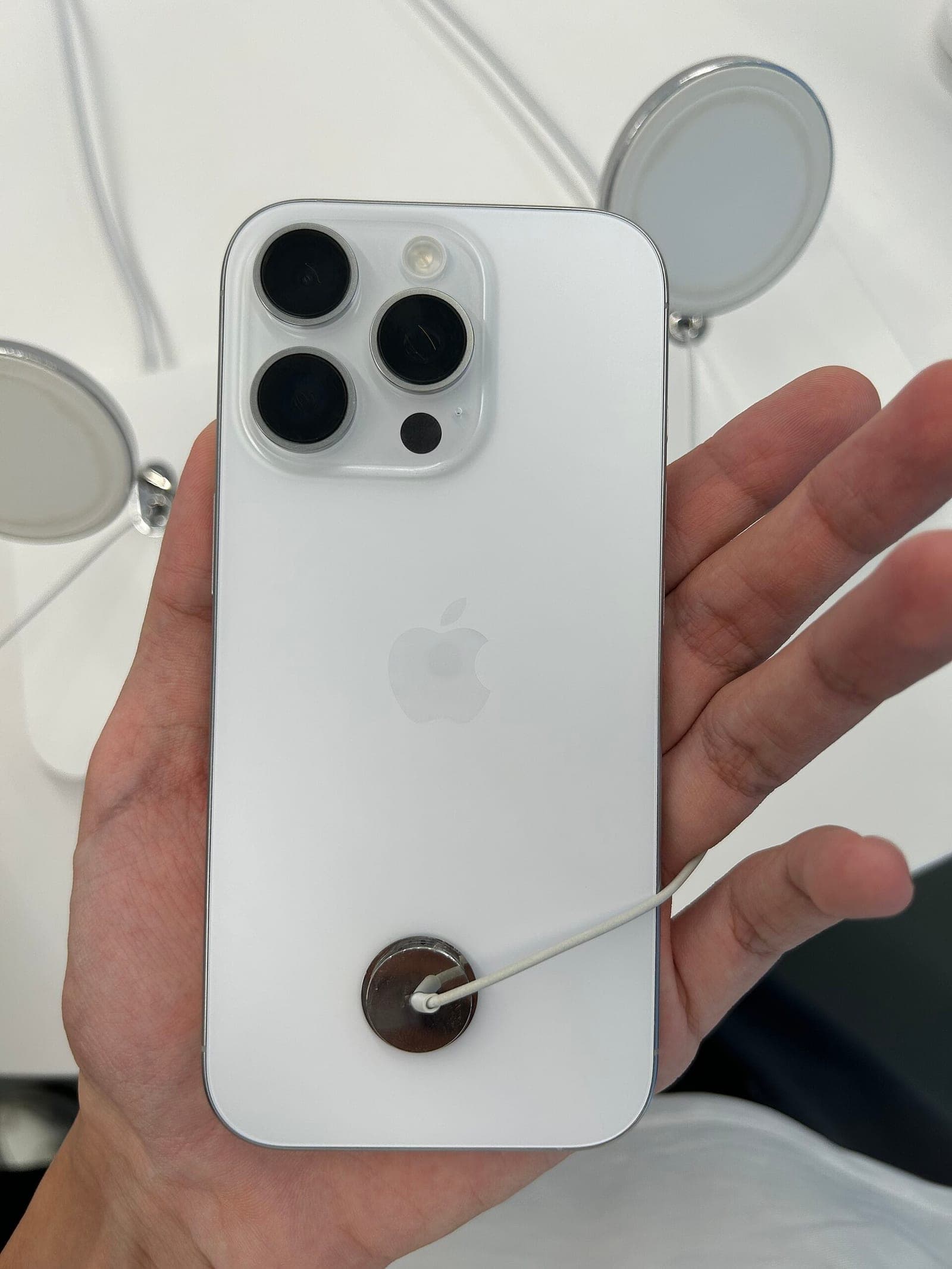
GrayKey maker reportedly found a way around the iPhone's Inactivity Reboot
A leaked training video seen by 404 Media says Magnet Forensics' new tools keep a seized iPhone in an easier-to-search state, even after the reboot Apple added in iOS 18.1.

Apple Music just reached 4 countries it somehow skipped for 11 years
Apple Music quietly launched in Albania, Brunei, Burkina Faso, and Pakistan, bringing its global total to 172 countries and regions more than a decade after the service first debuted.
More in brief
- arXiv limits researchers to two papers a month as AI drives submissions to a recordOct 2
- California will fine robotaxi companies that block first responders for over 30 minutesOct 2
- Microsoft launches real-time transcription and new voice models for AI voice agentsOct 1
- Cloudflare releases Clef, open-weight AI models that make yes-or-no decisions fastOct 1
- Fervo's Cape Station becomes the first enhanced geothermal plant to sell power commerciallyOct 1
- Cloudflare renames its data platform Basin and makes it generally availableOct 1