
AI·News & analysis
Man who streamed AI songs with bots for $8 million gets 18 months in prison
Michael Smith used AI to make hundreds of thousands of songs and bots to play them billions of times. A federal judge in Manhattan sentenced him in the first US criminal case over streaming fraud.
Tide
Ripple
Sci-fi
4/10
Reality
In your hands
Thousands of robot listeners, humming songs no person wrote.How we rate
A federal judge in Manhattan sentenced Michael Smith to 18 months in prison for using bots to stream AI-generated songs and collect more than $8 million in royalties.
Smith ran up to 10,000 bot accounts at once and spread plays thin across a huge catalog so no single song stood out. It is the first US criminal case over streaming fraud. Smith must also forfeit about $8.09 million and serve two years of supervised release.
What to know
- Judge John G. Koeltl sentenced Michael Smith, 54, to 18 months in prison plus two years of supervised release.
- Smith used bots to stream AI-generated songs on Spotify, Apple Music, Amazon Music and YouTube Music from 2017 to 2024.
- He agreed to forfeit $8,091,843.64. Prosecutors asked for at least 46 months; his lawyers asked for no prison time.
- It is the first criminal case in the US over artificially inflated music streams.
A North Carolina man who used AI to make songs and bots to listen to them is going to prison for 18 months, Billboard reports. The question everyone in music has been asking: how do you steal $8 million one tiny stream at a time?
What happened in court?
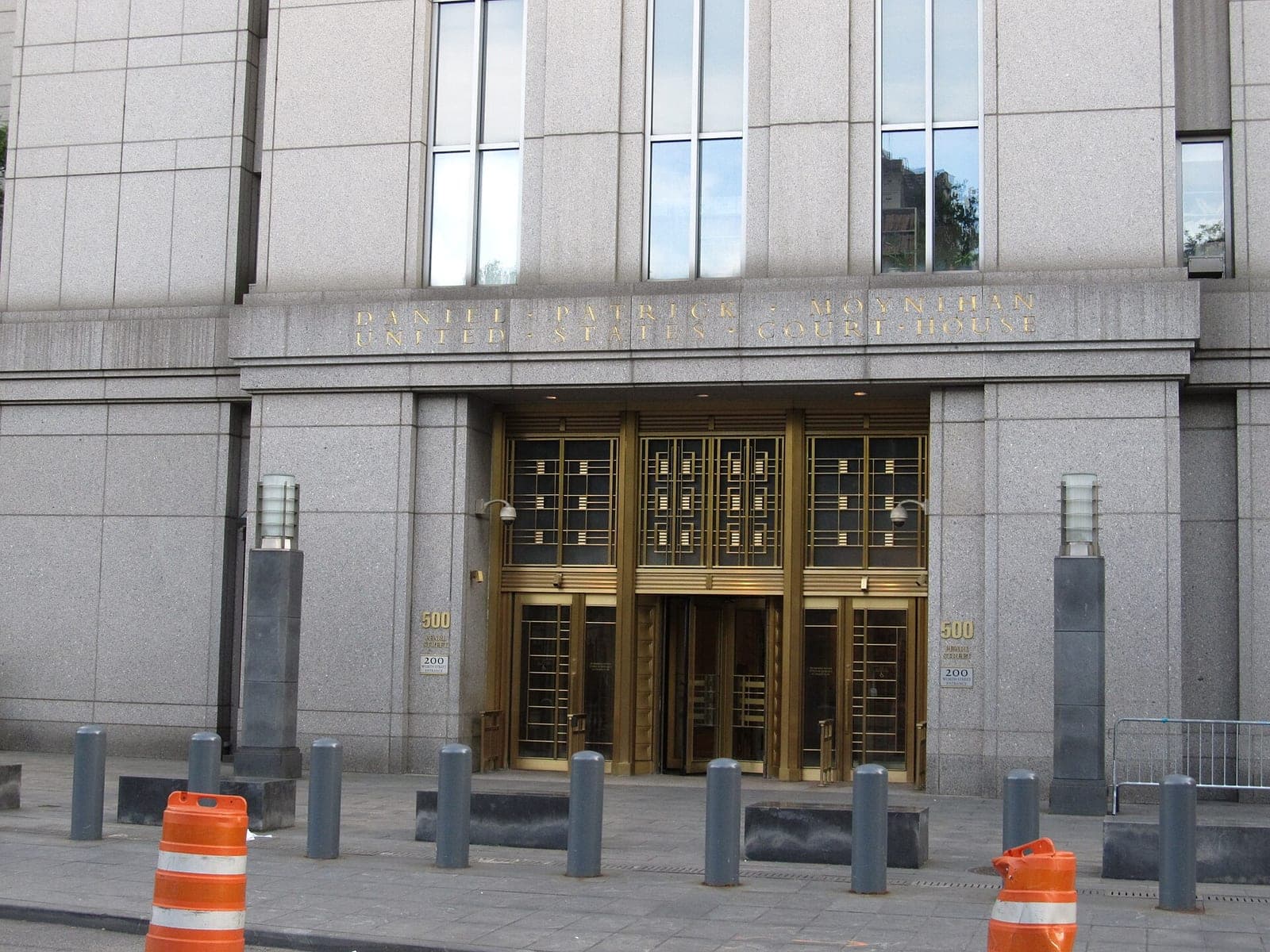
Michael Smith, 54, from Cornelius, North Carolina, stood before Judge John G. Koeltl in Manhattan federal court on Tuesday, October 6. The judge gave him 18 months in prison, followed by two years of supervised release.
Smith had already agreed to forfeit $8,091,843.64 as part of his plea deal. He pleaded guilty on March 19, 2026, to one count of conspiracy to commit wire fraud.
Rolling Stone, which was in the courtroom, says Smith nodded heavily as the sentence was read. Asked if he wanted to say anything afterward, he told the judge: "Thank you for your consideration on everything, Your Honor."
It is the first criminal case in the United States over artificially inflated music streams, and now it has its first prison sentence.
Why 18 months and not four years?
The two sides were far apart, and the judge landed in between.
- Charge maximum: 5 years in prison.
- Federal guidelines: 46 to 57 months.
- Prosecutors asked for: at least 46 months.
- US Probation Office recommended: 24 months.
- Smith's lawyers asked for: probation, no prison at all.
- The sentence: 18 months.
The big picture: when Smith was first charged in September 2024, he faced three counts carrying 60 years between them, Music Business Worldwide reports. The guilty plea to a single count replaced all of that.
So how did the scheme work?
The idea was simple. The execution took years.
Smith created thousands of streaming accounts, often under fake names, and paid for them with corporate debit cards. Software then made those accounts play songs nonstop, as if real people were listening. Every play earned royalties.
According to Billboard, prosecutors say he started by boosting plays of his own music. Then he switched to AI-generated songs in bulk, because the bots needed far more music than one person could write. Music Business Worldwide reports he worked with the head of an AI music company and a music promoter, neither named in the filings.
The platforms named in the case:
- Spotify
- Apple Music
- Amazon Music
- YouTube Music
Prosecutors say he had as many as 10,000 bot accounts running at certain points.
The math he wrote down himself
Smith kept notes, and prosecutors put them in court filings. Music Business Worldwide walked through them.
Early on, he emailed himself a plan:
- Cloud accounts: 52, each running 20 bot accounts.
- Bot accounts: 1,040 in total.
- Plays per bot: about 636 songs a day.
- Daily streams: about 661,440.
- Projected royalties: about $3,307 a day, or $1,207,128 a year, at an assumed half a cent per stream.
By June 2019, he reported "88 million TOTAL STREAMS so far" and earnings of about $110,000 a month.
He also knew where the danger was. In an October 2018 email he wrote that "we need a TON of content with small amounts of Streams" to avoid raising issues. In May 2019: "If we get too many streams on one song it comes down."
In real life Imagine a tip jar shared by every musician in town, split by how many people clapped for each one. Smith hired thousands of robots to clap very quietly for songs nobody wrote, spread out so no single performer looked suspicious.
By the numbers: in April 2023, Smith's catalog drew 80.9 million streams from YouTube Music family-plan accounts, Digital Music News reports. Taylor Swift's entire catalog drew 9.3 million from the same group that month.
How does a fake play hurt a real artist?
This was the heart of the fight over the sentence.
Big streaming services don't pay a fixed price per play. They set aside a share of their revenue as a pool, then split it by each track's share of all plays that month. If your song gets 1% of the plays, it gets 1% of the money.
Why it matters: a fake stream doesn't cost Spotify anything extra. It shrinks the slice that goes to every real stream. Music Business Worldwide calls it dilution rather than theft from the service.
Smith took in more than $14 million from royalty payers in total. The agreed loss of about $8.09 million is what remains after subtracting his real royalties and the money he spent buying streaming accounts. Spotify's portion was about $60,000.
What finally tripped him up was the other pipe of royalties. Songwriting money for US digital plays flows through The Mechanical Licensing Collective, which flagged the irregularities and held back payments, Music Business Worldwide reports. Prosecutors say Smith lied to distributors and to the MLC about his songs.
What did each side argue?
Smith's lawyers said the harm to any single artist was tiny. "The effect each individual stream of one artist's song has on every other artist's share of total streams is not akin to a drop in a proverbial bucket, it is a drop in an ocean," they wrote, according to Billboard.
In court, his lawyer Justine Harris pointed out that when Smith started, many platforms did not ban bots in their terms of service. She argued that the arrest had already sent a message, and that only structural changes to streaming would stop this kind of fraud, Rolling Stone reports.
Prosecutors disagreed. Assistant US Attorneys Nicholas W. Chiuchiolo and Kevin B. Mead wrote that "a lenient sentence will send precisely the wrong message: streaming fraud will not result in meaningful punishment."
In court, Chiuchiolo said small royalty checks still matter to songwriters and are sometimes the only recognition they get for their work.
Smith spoke too. Choking up at times, the father of six said he had wanted to be a good husband, father and musician. "I betrayed the music community I care so much about," he told the court. "I have made a mess of what was an honorable life."
What are prosecutors and the industry saying now?
After the hearing, Manhattan federal prosecutor Jamie McDonald said Smith had "exploited" new technology. "By flooding music streaming platforms with automated bots in the place of consumers, and fake songs in the place of creativity, Smith robbed millions in royalty payments from genuine artists and their fans," McDonald said in a statement quoted by Billboard.
When Smith pleaded guilty in March, US Attorney Jay Clayton put it this way: "Although the songs and listeners were fake, the millions of dollars Smith stole was real."
The Recording Industry Association of America said the court recognized "the significance of this harmful conduct." The Music Fights Fraud Alliance, an industry group formed in 2023, welcomed the sentence but said it will take "more than one case" to stop streaming fraud.
What's next: Smith will serve his sentence and then two years of supervised release. The case was first announced by the US Attorney's Office for the Southern District of New York in September 2024.
What it means for you
- If you make music: fake plays shrink the shared pool your royalties come from, so platforms and collection groups are watching for unusual patterns more closely.
- If you use AI music tools: making songs with AI was not the crime here. Faking the listeners and lying about it was.
- If you just listen: your subscription to services like Apple Music or Spotify feeds that same shared pool, so fake plays decide where part of your money goes.
The bottom line
Michael Smith turned cheap AI songs and thousands of bots into more than $8 million in royalties over seven years, and he will now spend 18 months in prison. The sentence is far below what prosecutors wanted, but it is the first one of its kind. The music industry says it needs many more cases like it to make streaming fraud a bad bet.
Key facts
- Sentence
- 18 months in prison, 2 years supervised release
- Forfeiture
- $8,091,843.64
- Scheme ran
- 2017 to 2024
- Prosecutors asked for
- At least 46 months
- Judge
- John G. Koeltl, Southern District of New York
Got questions?
Quick answers, plain wordsWho is Michael Smith?
Michael Smith is a 54-year-old musician and business owner from Cornelius, North Carolina. He pleaded guilty in March 2026 to a streaming fraud scheme built on AI-generated songs and bot accounts.
What sentence did Michael Smith get?
Judge John G. Koeltl sentenced him on October 6, 2026, to 18 months in prison, followed by two years of supervised release. He had already agreed to forfeit $8,091,843.64.
What is streaming fraud?
Streaming fraud means using fake listeners, usually automated bot accounts, to play songs over and over so they earn royalties that real listeners never generated.
How did the AI music scheme work?
Smith filled streaming services with hundreds of thousands of AI-generated songs and ran thousands of bot accounts that played them around the clock. He spread the plays thin so no single song drew attention.
Which streaming services were affected?
Prosecutors named Spotify, Apple Music, Amazon Music and YouTube Music. Music Business Worldwide reports that Spotify's share of the money was about $60,000.
Is it illegal to make music with AI?
No. Smith was not charged for using AI to make songs. He was charged with wire fraud conspiracy for faking the listening with bots and lying to distributors to collect royalties.
Why didn't he get the 46 months prosecutors wanted?
The judge did not adopt the prosecutors' request. Federal guidelines called for 46 to 57 months, the US Probation Office recommended 24 months, and his lawyers asked for probation. The judge settled on 18 months.
How does a fake stream take money from real artists?
The big services pay from a shared pool split by each track's share of all plays. A fake play does not cost the service extra; it shrinks the slice that goes to every real play.
Is this the first case of its kind?
Yes. The US Attorney's Office for the Southern District of New York has called it the first criminal case involving artificially inflated music streaming in the United States.
What did Smith say in court?
Rolling Stone reports that Smith, choking up at times, told the court he had betrayed the music community he cares about and had made a mess of what was an honorable life.
SourcesBillboard, justice.gov
Topics and tagsstreaming fraud, ai music, music streaming, royalties
Related stories
Claude plans give about 5x the AI usage of ChatGPT's, SemiAnalysis finds
Research firm SemiAnalysis tested how far every AI subscription goes. On the everyday models, a Claude plan buys roughly five times the usage of the matching ChatGPT plan.
OpenAI publishes 722 math papers written by an unreleased AI model
OpenAI put 722 manuscripts from an internal model on GitHub, with computer-checked proofs for many of them, after mathematicians asked AI labs to show their work.
Google launches Nano Banana 2.1, a better image model at half the price
Google's new Flash image model improves text, editing and character consistency, and cuts the developer price per 1K image from 6.7 to 3.36 cents.
More in brief
- Rapidus signs up 17 design firms to find customers for its 2nm chipsOct 7
- Arizona court hack exposed data on 1.3 million people after one phishing clickOct 7
- Jaguar reveals the Type 01, its 1,000-hp electric grand tourerOct 7
- Hackers hijacked three country domains to get fake Google certificatesOct 6
- Boston Dynamics names former Alexa chief Rohit Prasad as its new CEOOct 6
- Tesla's Model 3 and Model Y can now power your house in a blackoutOct 6