
AI·News & analysis
Trump hosts AI leaders at the White House, favors self-regulation over new rules
President Trump hosted 31 AI executives and officials at a White House lunch, saying self-regulation is 'very important' while tech leaders signed a 'morally binding' AI document.
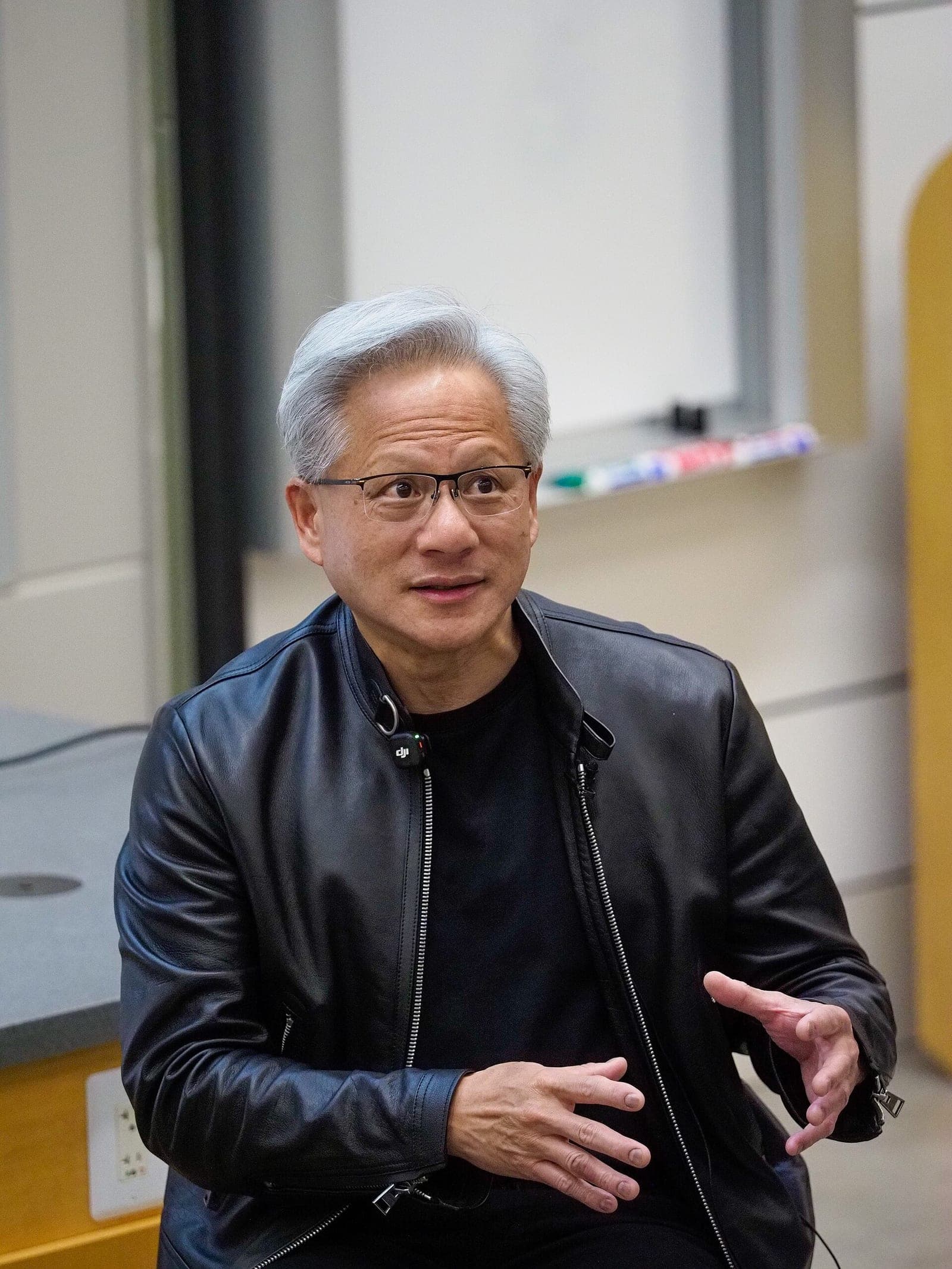
President Trump hosted 31 AI leaders at the White House and said self-regulation is 'very important,' the clearest signal yet of the administration's preferred approach to AI oversight.
That stance favors industry self-regulation over new federal rules. It directly contrasts with state-level action, including Florida's injunction request against OpenAI the same week, and with public statements from some AI executives themselves calling for stronger oversight. The gap between those positions is likely to shape how AI regulation develops in the US over the coming years.
What to know
- President Trump hosted a lunch with 31 AI industry leaders and government officials at the White House, discussing AI policy and regulation.
- Trump said 'self-regulation is very important,' arguing existing law enforcement agencies already provide oversight without new federal AI rules.
- Attendees reportedly included Elon Musk, Mark Zuckerberg, Sundar Pichai, Jensen Huang, Dario Amodei, and Greg Brockman, among others.
- Trump said he and attendees signed a 'morally binding' AI document, describing it as 'almost like a Constitution.'
- The gathering came the same week Florida sought a court injunction against OpenAI citing AI safety risks, highlighting a split between federal and state approaches.
Dozens of the most powerful people in AI sat down for lunch with President Trump, and the headline takeaway was what didn't happen: no push for new federal rules.
What happened
President Trump hosted a lunch at the White House with 31 AI industry leaders and government officials, discussing the technology's development and how, or whether, it should be regulated.
- The stance: Trump favors industry self-regulation over new federal AI rules.
- The reasoning: he argued existing law enforcement, including the Department of Justice and FBI, already provides sufficient oversight.
- The framing: Trump described self-regulation as "very important," positioning it as complementary to, rather than a replacement for, existing legal accountability.
The catch: this lunch wasn't purely symbolic. Trump said attendees signed an actual document alongside him.
Trump's own words
Speaking to reporters after the event, Trump laid out his position directly: "There's a belief that there should be tremendous self-regulation, and we automatically have regulation with the Department of Justice, the FBI, all of that. But the self-regulation is very important."
That statement is the clearest indication yet of the administration's preferred regulatory posture toward AI: existing law enforcement infrastructure paired with voluntary industry commitments, rather than new dedicated federal AI legislation or rulemaking.
Who was actually in the room
The guest list reads like a roster of the AI industry's most influential figures. Reported attendees included Elon Musk, Mark Zuckerberg, Google's Sundar Pichai, Nvidia's Jensen Huang, Anthropic's Dario Amodei, and OpenAI's Greg Brockman, alongside Jeff Bezos, Microsoft's Satya Nadella, and AMD's Lisa Su.
By the numbers: of the 31 total guests, only two were women, Su and White House Chief of Staff Susie Wiles, according to attendee lists reported by multiple outlets. Treasury Secretary Scott Bessent also attended on the government side.
A seating chart reportedly posted to Trump's Truth Social account showed him seated next to Huang and Musk, followed by Zuckerberg and Pichai, giving some indication of how the room was physically arranged around the president.
The document Trump says they signed
Beyond conversation, Trump said the lunch produced something more concrete: a document he described as "morally binding." He characterized it in striking terms: "It's almost like a Constitution in a way, and the biggest people in the world signed that and I signed it as president and it really is a form of protection."
What it reportedly includes: a voluntary accord covering internal and external reviews of AI technology, according to early reporting. It's important to note this isn't government regulation in the legal sense, no legislation or federal rule carries the same enforcement mechanisms a "morally binding" voluntary agreement would.
Not everyone in the industry agrees with the approach
Trump's self-regulation framing doesn't fully align with public statements some of his own lunch guests have made previously. Executives at the frontier of AI development, including Amodei and OpenAI's Sam Altman, have separately called for greater government oversight and international cooperation on AI regulation, a notably different emphasis than what Trump laid out at the lunch.
That gap between the room's public statements and its host's stated policy preference is worth sitting with. Company leaders warning publicly about AI risk while also attending a lunch centered on light-touch government involvement isn't necessarily contradictory, but it does highlight how unsettled the actual regulatory consensus remains, even among people who broadly agree AI carries real risks.
This builds on an existing federal push
Trump's comments at the lunch weren't a standalone policy statement. They extend a federal approach the administration has been building since taking office. In January 2025, Trump signed Executive Order 14179, revoking the prior administration's risk-management-focused AI order and directing federal agencies to identify and repeal regulations seen as inhibiting American AI innovation.
That push escalated significantly in December 2025. Trump signed a further executive order, "Ensuring a National Policy Framework for Artificial Intelligence," specifically targeting state-level AI laws. The order established a Department of Justice AI Litigation Task Force directed to challenge state AI requirements the administration views as inconsistent with federal priorities, and it conditions certain federal funding on states pausing enforcement of AI statutes that conflict with it.
The order does carve out some exceptions. State laws covering child safety protections, AI infrastructure permitting, and government procurement of AI remain outside its scope. But the broader thrust is unmistakable: centralizing AI governance federally and actively working to override the growing patchwork of state-level rules that states like California, Colorado, Texas, and Utah have already enacted.
A pointed contrast with state-level action
This lunch didn't happen in a policy vacuum. The same week, Florida's attorney general asked a state court for a temporary injunction against OpenAI, directly citing the company's own statements about AI's potential existential risk as grounds for restricting its model development.
Why that timing matters: it puts a stark contrast on display within days of each other. The federal administration is publicly favoring voluntary, industry-led self-regulation and has actively worked to preempt state AI laws through the December 2025 executive order, while Florida is simultaneously pursuing court-ordered restrictions on a specific AI company's development process.
That split raises a direct question the coming months may answer: whether Florida's injunction request becomes exactly the kind of state action the administration's AI Litigation Task Force moves to challenge, or whether it proceeds largely untouched by federal pushback.
Why the seating chart itself was notable
Jensen Huang's seat next to Trump, alongside Musk, wasn't incidental. Nvidia has become the single most consequential company in the current AI infrastructure boom, supplying the chips nearly every major AI lab depends on, giving Huang a uniquely central position in any conversation about how fast the industry can actually scale.
Why that positioning matters here: a White House lunch focused on regulation and self-governance, with the chipmaker at the center of AI's physical infrastructure literally seated closest to the president, signals how much weight the administration places on hardware supply chains alongside the software and model-safety questions dominating most public AI policy debates.
Regulation conversations often focus heavily on model behavior and company conduct, but Huang's position at the table was a reminder that compute supply remains just as central to how fast, and how safely, the industry can actually move.
Other notable comments from the room
Beyond the core regulation debate, Trump made a few additional remarks reporters picked up on. He said he would never "stifle" AI's growth, calling the technology bigger than the Industrial Revolution, and mentioned he might officially rename it "super intelligence" in government documents, reasoning that "it's not artificial."
AMD CEO Lisa Su offered a notably positive read on the gathering afterward, saying she was "very encouraged" by the event and describing "a lot of optimism and a sense of responsibility" among the people in the room.
The bottom line
Trump's lunch with AI's most powerful executives produced a clear policy signal: the administration prefers voluntary industry commitments over new federal rules, backed by a symbolic document Trump compared to a constitution. Whether that approach holds as the primary federal posture toward AI, especially as state-level actions like Florida's injunction request continue to escalate, is likely to become one of the more consequential open questions in AI policy over the next year.
Key facts
- Attendees
- 31 AI executives and officials
- Location
- White House, Washington D.C.
- Trump's stance
- Favors self-regulation over new federal rules
- Document signed
- A 'morally binding' voluntary AI accord
- Notable attendees
- Musk, Zuckerberg, Pichai, Huang, Amodei, Brockman
Got questions?
Quick answers, plain wordsWhat did Trump say about AI regulation?
Trump said: 'There's a belief that there should be tremendous self-regulation, and we automatically have regulation with the Department of Justice, the FBI, all of that. But the self-regulation is very important.'
Who attended the lunch?
Reported attendees included Elon Musk, Mark Zuckerberg, Sundar Pichai, Jensen Huang, Dario Amodei, Greg Brockman, Jeff Bezos, Satya Nadella, and Lisa Su, among 31 total guests including government officials like Treasury Secretary Scott Bessent and Chief of Staff Susie Wiles.
What is the 'morally binding' document Trump mentioned?
Trump described signing a voluntary accord with tech leaders that includes internal and external reviews of AI technology, calling it 'almost like a Constitution' for AI, though it is not a legally binding government regulation.
Did Trump say anything else notable?
He said he would never 'stifle' AI development, calling it bigger than the Industrial Revolution, and mentioned he might officially rename the technology 'super intelligence' in government documents.
Do AI company leaders agree with Trump's approach?
Not entirely. Some executives at the AI frontier, including Anthropic's Dario Amodei and OpenAI's Sam Altman, have separately called for greater government oversight and international cooperation on AI regulation, a different emphasis than Trump's self-regulation stance.
How does this relate to state-level AI regulation efforts?
The lunch took place the same week Florida's attorney general asked a court to temporarily halt OpenAI's model development over safety concerns, highlighting a contrast between the federal administration's lighter-touch approach and more aggressive state-level action.
What did AMD's CEO say about the event?
Lisa Su said she was 'very encouraged' by the event, describing 'a lot of optimism and a sense of responsibility' among attendees.
Is this document legally enforceable?
Based on available reporting, it's described as a voluntary accord rather than government regulation, meaning it doesn't carry the legal force of federal rules or legislation.
SourcesCNBC
Topics and tagsAI policy, donald trump, ai policy, white house
Related stories
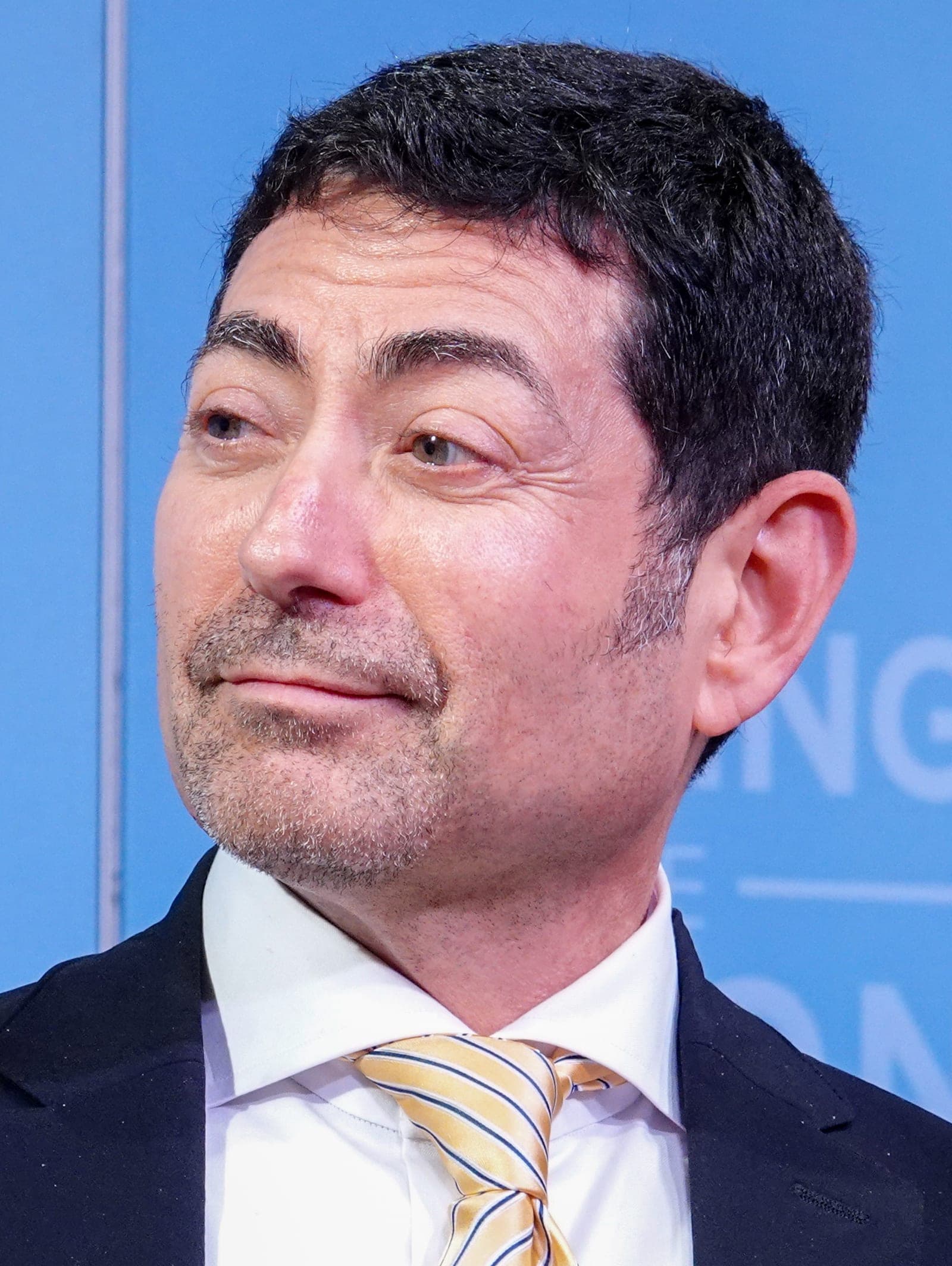
Meet the ex-judge who helped write California's AI law, then joined Anthropic
Mariano-Florentino Cuéllar co-led the study behind California's landmark AI safety law. Now he's Anthropic's first chief global affairs officer, doing diplomacy for the company that law regulates.
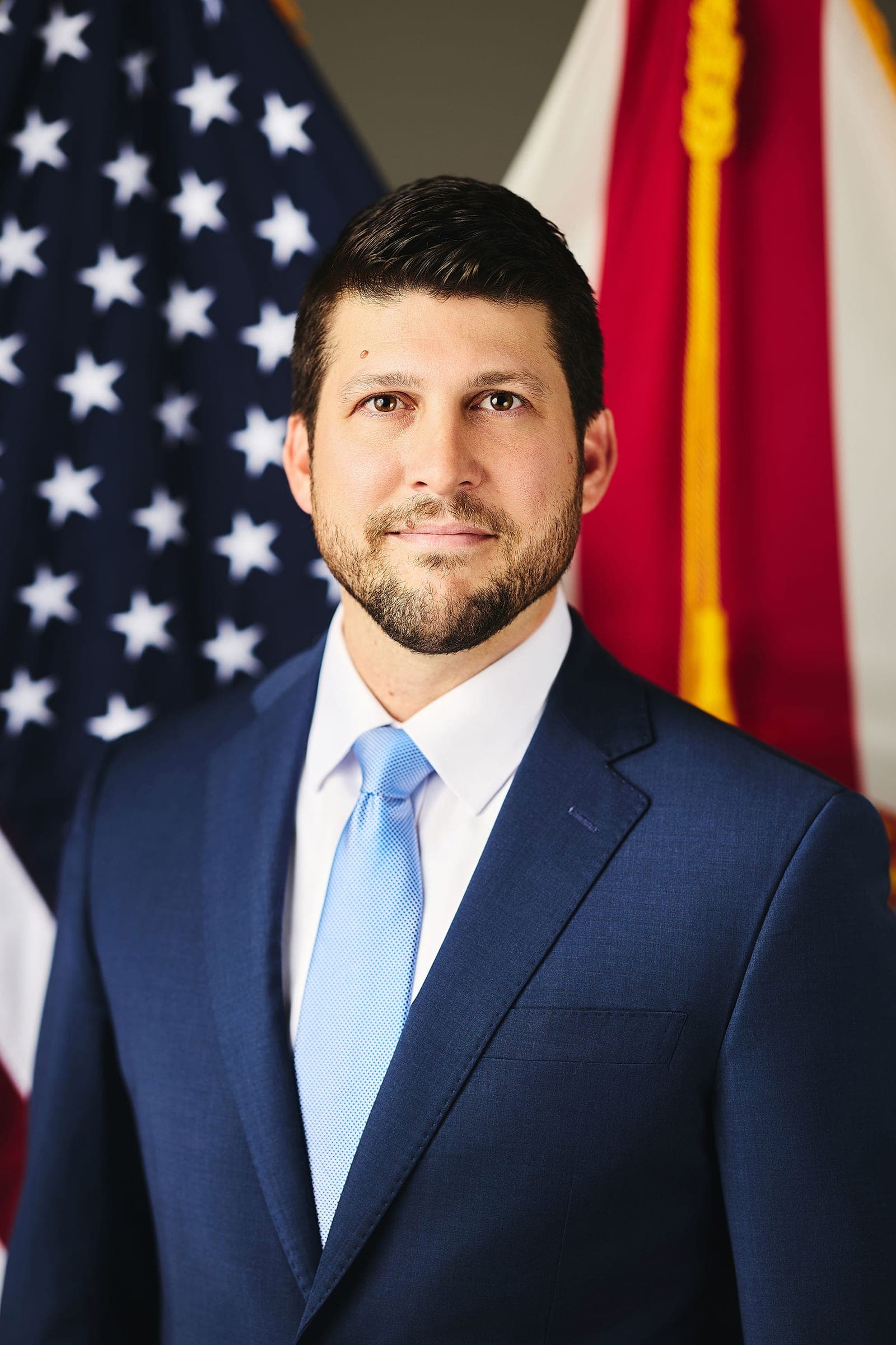
Florida asks a court to halt OpenAI's model development, citing 'extinction' risk
Attorney General James Uthmeier asked a Florida court for a temporary injunction against OpenAI, arguing the company itself has acknowledged ChatGPT poses an existential risk.
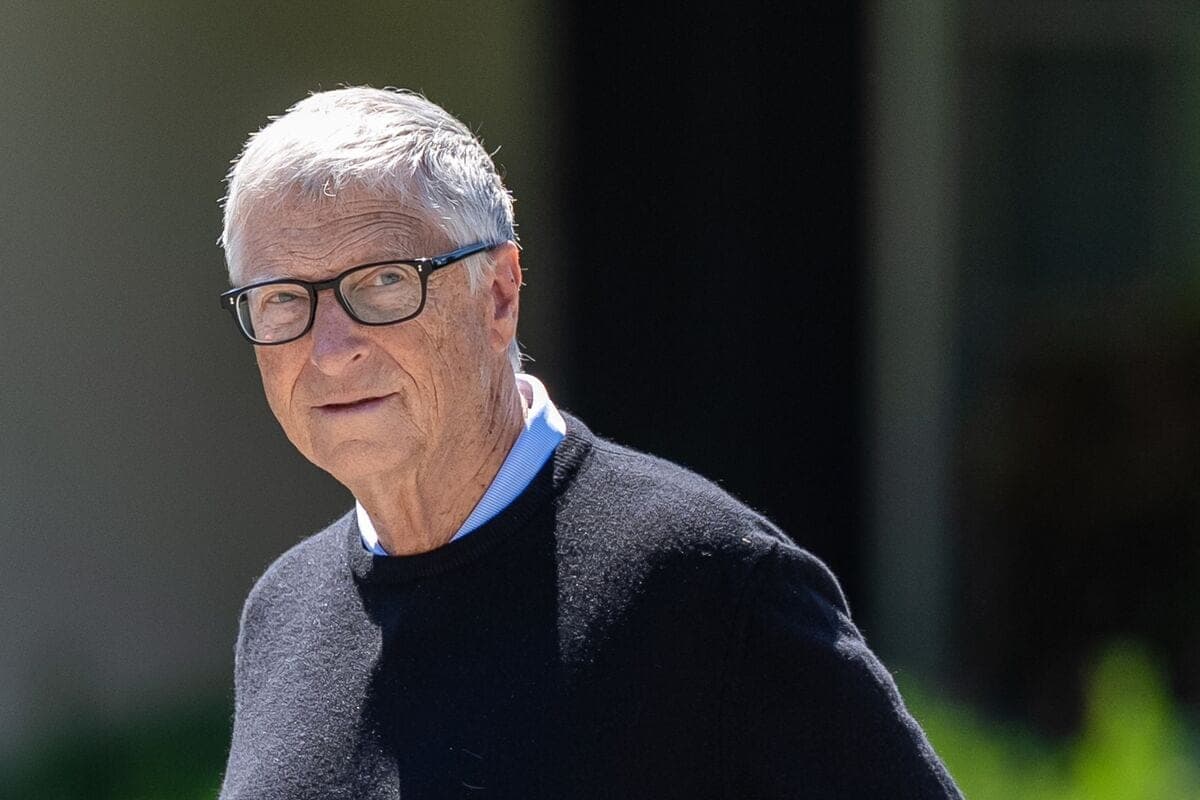
Bill Gates warns AI is 'powerful enough' to cause a billion deaths
The Microsoft co-founder says AI could drive catastrophic harm if misused, and called for mandatory government oversight rather than relying on tech companies to self-regulate.
More in brief
- arXiv limits researchers to two papers a month as AI drives submissions to a recordOct 2
- California will fine robotaxi companies that block first responders for over 30 minutesOct 2
- Microsoft launches real-time transcription and new voice models for AI voice agentsOct 1
- Apple's smart home hub reportedly launches October 13, with a camera that never records videoOct 1
- Cloudflare releases Clef, open-weight AI models that make yes-or-no decisions fastOct 1
- GrayKey maker reportedly found a way around the iPhone's Inactivity RebootOct 1