
Technology·News & analysis
Developer offers $10,000 checks to 4,500 households for a data center, gets rejected anyway
NorthPoint Development offered $10,000 checks to roughly 4,500 households near Hazle Township, Pennsylvania, if residents support its 1,300-acre data center, but locals are pushing back over noise, property values, and trust.
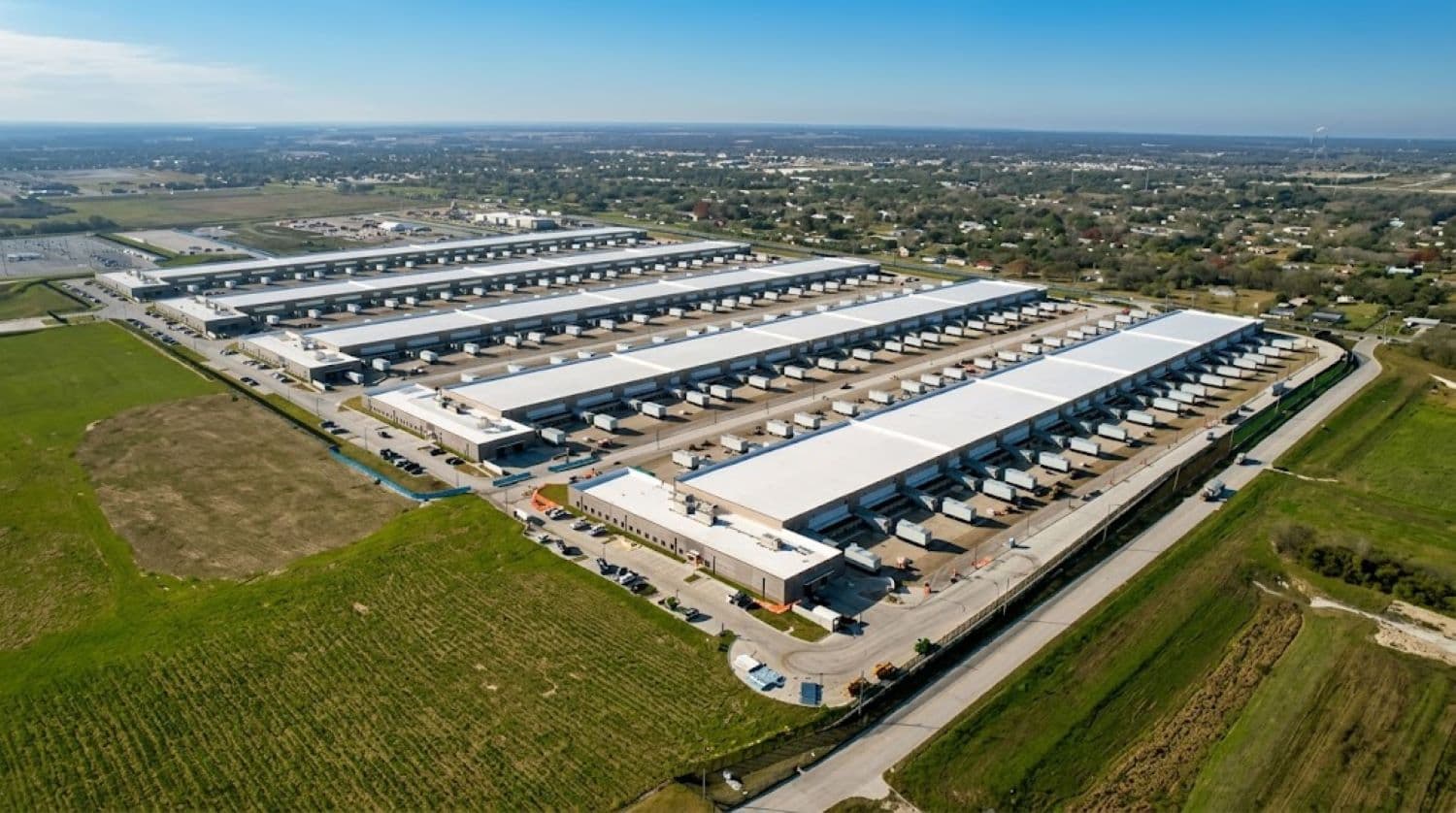
NorthPoint Development offered $10,000 checks to roughly 4,500 households near Hazle Township, Pennsylvania, if the town approves its proposed 1,300-acre, 15-building data center.
The direct payments total $45 million, part of a larger $165 million community-benefits package. Despite a median household income of $60,000, many residents are rejecting the offer over noise, property value, and trust concerns. The township already rejected the project on zoning grounds and enacted a construction moratorium, and NorthPoint has since sued.
What to know
- NorthPoint Development offered $10,000 checks to each of Hazle Township, Pennsylvania's roughly 4,500 households if the town approves its proposed 1,300-acre data center.
- The direct payments total $45 million, part of a larger $165 million community-benefits package that includes funding for schools and emergency services.
- Despite the town's median household income of $60,000, many residents interviewed by the Wall Street Journal are rejecting the offer, citing noise, property value, and trust concerns.
- Hazle Township already rejected the project on zoning grounds last year and enacted a moratorium on new data center construction; NorthPoint has since sued the township.
Ten thousand dollars per household wasn't enough to buy goodwill in one small Pennsylvania town. NorthPoint Development mailed out the offer anyway, and residents are turning it down.
What NorthPoint is offering
NorthPoint wants to build a 1,300-acre, 15-building data center in the Pocono foothills near Hazle Township, Pennsylvania. To win local support, it proposed direct $10,000 checks to each of the town's roughly 4,500 households.
- Direct payments: $45 million total, $10,000 per household.
- Full package: $165 million over 15 years, including funding for schools and emergency services.
- Town's median income: $60,000, making the offer roughly one-sixth of a typical household's annual earnings.
The catch: the checks only get issued if Hazle Township actually approves the zoning changes the project needs. It's an incentive tied to a vote, not a payment for hosting inconvenience after the fact.
Why residents aren't taking the deal
The Wall Street Journal spoke with several Hazle Township residents about the offer, and found it hard to identify anyone genuinely eager to welcome the data center for the payout, in the outlet's own words.
In real life Imagine a company offering your neighborhood a one-time check to accept 15 massive industrial buildings next door, with the noise, traffic, and power demands that come with them. For many Hazle Township residents, $10,000 doesn't come close to covering what they think they'd be trading away.
Residents cited three consistent concerns: potential drops in property values, fears of ongoing noise pollution, and distrust of both the AI industry executives behind the demand for data centers and the local officials negotiating on the town's behalf.
Some interviewees told the Journal the $10,000 would genuinely help financially, but that didn't translate into support for the project itself. Others framed the offer more bluntly, describing it as something closer to a bribe than fair compensation, regardless of how the money was formally packaged in NorthPoint's proposal.
A new tactic in the data center boom
By the numbers: developers have traditionally offered towns and cities benefit packages worth tens of millions of dollars for local services and infrastructure. Direct payments straight to individual households represent a newer approach.
The shift reportedly traces back to a specific moment: a contentious public meeting where angry residents pointedly asked what they personally stood to gain from supporting the project, rather than just the town's government or its budget. Paying households directly is NorthPoint's answer to that exact question.
Who NorthPoint actually is
This isn't a small or inexperienced developer testing an untried tactic. NorthPoint Development was founded in 2012 in Kansas City and has grown into the largest industrial developer in the United States, with a portfolio exceeding 150 million square feet of Class A industrial space alongside thousands of multifamily units.
What's next: NorthPoint has already had success with data center projects elsewhere in Pennsylvania. The company received approval for a 2-million-square-foot data center campus within its Keystone Trade Center in Bucks County, showing the Hazle Township pushback isn't representative of how every Pennsylvania community has responded to its proposals.
That track record helps explain why NorthPoint appears confident enough to combine a $165 million charm offensive with active litigation against the township that rejected it, rather than walking away or scaling the project down after the initial denial. A developer with dozens of successful projects behind it has less incentive to back off after a single local setback than a smaller, less established firm might.
The fight isn't just about money
Hazle Township's government already rejected NorthPoint's data center project on zoning grounds last year, and the town has since enacted a temporary moratorium on new data center construction altogether.
NorthPoint responded by suing the township, and that legal fight is still ongoing. The $10,000 offer to residents exists alongside, not instead of, that court battle, suggesting NorthPoint is pursuing community buy-in and legal pressure at the same time rather than betting on either approach alone.
The bigger pattern behind this
Hazle Township isn't an isolated case, it's a small example of a nationwide trend. Roughly 71% of Americans say they oppose having an AI data center built in their area, according to recent polling, a higher rejection rate than Americans express toward nuclear power plants.
The big picture: that opposition has real financial consequences for developers. Local resistance blocked or delayed 75 data center projects worth a combined $130 billion in just the first quarter of 2026, and another 45 projects worth roughly $68 billion were blocked or delayed between April and June. Tracking groups have identified more than 840 organized opposition groups spread across 49 states.
The concerns driving that resistance largely mirror what Hazle Township residents raised: noise, land use, environmental impact, and a lack of meaningful input into decisions that affect their communities. Water and electricity use add to the list elsewhere, since large AI data centers can draw enormous amounts of both, straining local utilities and, in some cases, competing directly with residential water supply.
The pushback has reached state governments too. Texas's governor recently ordered a pause on new data center grid approvals over power-demand and community-backlash concerns, and roughly 30 state legislatures have introduced bills addressing how and where data centers can be sited.
Cash incentives aimed directly at residents, like NorthPoint's $10,000 offer, are developers' latest attempt to overcome that resistance at the local level. Whether that tactic actually works long-term is still an open question. A one-time payment doesn't address recurring concerns like noise or long-term property value effects, which may be exactly why many Hazle Township residents aren't biting despite the size of the check on offer.
Once a facility is built, residents live with its consequences for decades, while the payout is spent within a year or two at most, a mismatch in timelines that no single check, however large, can fully bridge.
Why this specific project is so big
Fifteen buildings across 1,300 acres would make this one of the larger single data center campuses proposed in Pennsylvania, well beyond the scale of a typical warehouse or logistics development NorthPoint is more traditionally known for.
That scale is exactly why the financial numbers involved are so large on both sides: a $165 million community package reflects the kind of revenue and tax base a project this size is expected to generate over its lifetime, while resident concerns about noise and environmental impact scale up correspondingly with 15 buildings' worth of cooling systems, backup generators, and constant vehicle traffic rather than just one or two structures.
The bottom line
NorthPoint is testing whether cash can overcome community opposition that a $165 million infrastructure package apparently couldn't. So far, in Hazle Township at least, the answer looks like no, and the company is now fighting the town in court while the direct-payment offer sits on the table, unclaimed by many of the people it was designed to win over.
With roughly 71% of Americans telling pollsters they'd rather not have a data center built in their own local area, Hazle Township's resistance looks less like an outlier and more like the new default reaction developers should expect nationwide going forward, regardless of how large the check attached to any future offer happens to be.
Key facts
- Per-household offer
- $10,000
- Households targeted
- ~4,500
- Total direct payments
- $45 million
- Full benefits package
- $165 million
- Facility size
- 1,300 acres, 15 buildings
Got questions?
Quick answers, plain wordsWhat is NorthPoint Development offering Hazle Township residents?
A one-time $10,000 check per household, roughly 4,500 households total, if the township approves zoning for its proposed 1,300-acre data center project.
How much money is involved in total?
The direct household payments total $45 million. That's part of a larger $165 million community-benefits package that also funds schools, emergency services, and other local investments over 15 years.
Are residents accepting the offer?
Many are not. The Wall Street Journal interviewed several residents who cited concerns about noise, falling property values, and distrust of both the developer and local government, despite the town's median household income of $60,000.
Has Hazle Township approved the data center?
No. The township already rejected the project on zoning grounds last year and enacted a temporary moratorium on new data center construction.
What did NorthPoint do after the rejection?
NorthPoint sued Hazle Township, and the legal fight over the project's approval is ongoing.
Where is this data center proposed to be built?
In the Pocono foothills near Hazle Township, Pennsylvania, on a 1,300-acre site planned to eventually hold 15 data center buildings.
Why are direct cash payments to residents unusual?
Developers have traditionally offered towns and cities funding packages worth tens of millions for local services, but paying individual households directly is a newer tactic, reportedly following a contentious public meeting where residents asked what they personally had to gain.
What specific concerns do residents have?
Noise pollution, reduced property values, and mistrust of both the AI industry figures behind data center demand and local officials negotiating on the town's behalf, according to the Wall Street Journal's reporting.
Is $10,000 considered a fair offer by residents?
Many interviewed residents said no, with some describing it as insulting or as an attempted bribe rather than adequate compensation for the facility's expected impact.
Is this part of a broader pattern with data centers?
Yes. As AI-driven data center construction accelerates nationwide, developers are increasingly offering financial incentives directly to nearby residents, not just local governments, to overcome community opposition.
SourcesTom's Hardware
Topics and tagsData centers, data centers, ai infrastructure, pennsylvania
Related stories

Fervo's Cape Station becomes the first enhanced geothermal plant to sell power commercially
Fervo Energy's first 33-megawatt block at Cape Station in Utah reached commercial operation a day ahead of schedule, after 23 months of construction. Two more blocks follow by January 2027.

Apple's smart home hub reportedly launches October 13, with a camera that never records video
Bloomberg's Mark Gurman says Apple will announce its long-rumored smart home display on October 13. He also describes a companion home camera that sends text descriptions instead of video.

GrayKey maker reportedly found a way around the iPhone's Inactivity Reboot
A leaked training video seen by 404 Media says Magnet Forensics' new tools keep a seized iPhone in an easier-to-search state, even after the reboot Apple added in iOS 18.1.
More in brief
- California will fine robotaxi companies that block first responders for over 30 minutesOct 2
- Microsoft launches real-time transcription and new voice models for AI voice agentsOct 1
- Cloudflare releases Clef, open-weight AI models that make yes-or-no decisions fastOct 1
- Cloudflare renames its data platform Basin and makes it generally availableOct 1
- ChatGPT can now show you wearing clothes before you buy themOct 1
- Judge dismisses Chegg and Penske antitrust suits over Google's AI OverviewsOct 1