
Technology·News & analysis
Polaroid's new $170 camera has four creative modes built for messing up your shot on purpose
The Polaroid Mod adds double exposure, split shot, motion freeze, and light painting to a point-and-shoot instant camera, betting analog experimentation is more fun than AI filters.
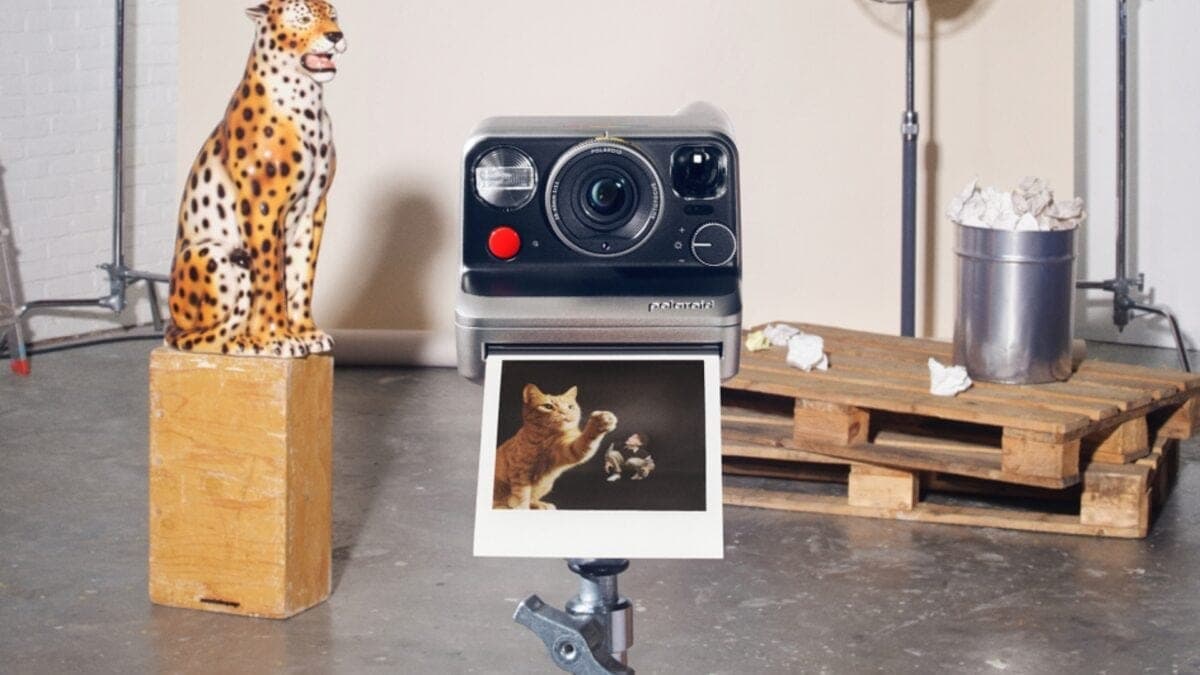
Polaroid launched the Mod, a $169.99 instant camera with four built-in creative modes: Double Exposure, Split Shot, Motion Freeze, and Light Painting.
Camera makers are increasingly leaning into analog imperfection as a selling point precisely as AI photo editing and generation become ubiquitous. The Mod bets people want creative control built into hardware, not another AI filter, and its low price makes that pitch accessible to casual buyers, not just enthusiasts.
What to know
- Polaroid launched the Mod, a $169.99 instant camera with four built-in creative shooting modes beyond standard auto.
- The modes are Double Exposure, Split Shot, Motion Freeze, and Light Painting, each accessible with a simple dial turn.
- It uses a fixed-focus, two-lens system (103mm standard or 95mm portrait) and works with Polaroid i-Type and 600 film.
- The Mod launches today in the US through Polaroid's own store, hits other US retailers October 6, and reaches more countries in early 2027.
- Reviewers have framed it explicitly as a rebellion against AI-generated and over-edited photography, calling it more fun than AI filters.
While most camera news these days is about AI processing pipelines, Polaroid just shipped a camera whose entire pitch is doing less of that.
What it is
The Polaroid Mod is a new instant camera built around four dedicated creative shooting modes, layered on top of a standard point-and-shoot auto setting.
- Price: $169.99
- Availability: launching today in the US through Polaroid's own online store, arriving at other US retailers October 6, with additional countries following in early 2027.
- Film: works with Polaroid i-Type and 600 film, in either color or black and white.
The pitch: creative, experimental photography made accessible through a simple dial turn, no manual settings knowledge required.
The four modes
Each mode targets a different kind of intentional imperfection that photographers have historically had to engineer by hand:
- Double Exposure: layers two separate images on top of each other to blend subjects or scenes together in a single frame.
- Split Shot: uses a rotating accessory that blocks half the lens at a time, letting a photographer combine two separate half-frame shots into one image.
- Motion Freeze: pairs a slower shutter speed, to capture motion trails from a moving subject, with a flash fired at the end of the exposure to freeze a sharp version of that same subject in the frame.
- Light Painting: uses a long exposure to capture trails of light from a moving source like a flashlight or sparkler.
Every one of these effects has historically required deliberate manual technique. The Mod puts each one behind a single position on the mode dial instead.
The hardware underneath
Beyond the creative modes, the Mod runs on a fixed-focus, two-lens system, giving photographers a choice between a 103mm standard lens and a 95mm portrait lens. It charges over USB-C, and its 750mAh battery is rated to last through shooting more than a dozen film packs before needing a recharge.
By the numbers: that battery life claim matters for an instant camera specifically, since running out of charge mid-shoot with no way to quickly top up used to be a common, frustrating complaint with earlier instant camera generations that relied on disposable or hard-to-replace batteries.
The film itself still has quirks
Even with all the creative-mode simplicity built into the camera, instant film hasn't lost its old-school sensitivity to conditions. At least one hands-on review specifically flagged that Polaroid film chemistry needs to be kept warm, since cold temperatures can prevent it from developing properly or even keep it from rolling all the way through the camera.
That's a reminder that the Mod, for all its dial-based ease of use, is still built on the same finicky instant-film chemistry Polaroid has worked with for decades. The creative modes simplify composition and technique, but they don't change the physical realities of shooting on actual film in real-world conditions.
Built for beginners, not just enthusiasts
What reviewers have emphasized most isn't the mode list itself, but how little photography knowledge it takes to use them. One hands-on review noted that photographers can get genuinely creative shots out of the Mod without understanding what terms like aperture or shutter speed even mean, since the camera handles that complexity behind each mode automatically.
That's a deliberate design choice. Instant cameras have always sold partly on simplicity, and the Mod extends that same "point, shoot, done" philosophy to effects that would otherwise require understanding manual exposure control, multiple exposures, or off-camera lighting techniques.
Where it fits in Polaroid's lineup
The Mod slots into Polaroid's current camera range between the Polaroid Now+ Gen 2 and the Polaroid Flip, positioning it as a mid-tier option that trades some of the Now+'s full manual controls for a simpler, mode-dial-based approach to the same kind of creative experimentation.
The cost of film matters here. Polaroid's own instant film runs noticeably more expensive per shot than its biggest rival, Fujifilm's Instax line, roughly €1.75 to €2.50 per shot for Polaroid compared to €0.60 to €0.80 for Instax. That gap means the Mod's creative modes, however fun, come with a real ongoing cost every time a double exposure or light-painting shot doesn't turn out the way it was planned.
A brand that's been here before
Polaroid's path to launching a $170 camera in 2026 wasn't a straight line. The original company filed for bankruptcy in 2001, filed again in 2008 under different ownership, and stopped producing instant film entirely that same year, a casualty of digital cameras taking over the consumer photography market.
The brand's survival came from The Impossible Project, which bought Polaroid's last operating film factory in the Netherlands in 2008 and spent years reverse-engineering reliable instant film production, hitting consistent quality again by around 2013. That group acquired the Polaroid name itself in 2017 and eventually reverted to the plain "Polaroid" branding in 2020.
Where that leaves things now: Polaroid in 2026 operates inside a broader analog revival that also includes vinyl records and 35mm film cameras, competing most directly against Fujifilm's Instax line, which has sold more than 100 million units since 1998 and skews especially popular with younger buyers. The Mod is Polaroid's answer to standing out in that increasingly crowded, nostalgia-driven category.
The anti-AI framing
Multiple outlets reviewing the Mod have leaned hard into positioning it as a deliberate counterpoint to AI-generated and AI-edited photography. One review called it "a creative analog wonderland" that's "1,000 times more fun than AI," while another described it as "a rebel in a world of AI," arguing the camera doesn't aim for algorithmic perfection so much as genuine, unpredictable fun.
That framing isn't incidental marketing language picked up by reviewers independently. It reflects a broader current running through parts of the camera industry right now: leaning into imperfection, physical film grain, and unpredictable in-camera effects specifically because they can't be replicated by prompting an AI model to generate a similar-looking image after the fact.
Why this matters beyond one camera
Camera makers positioning hardware imperfection as a selling point is a notable shift happening at the exact moment AI photo tools have made "flawless" images trivially easy to produce. A double exposure or a light-painting streak captured in-camera carries a kind of provenance an AI-generated equivalent simply can't claim, since it happened to actual film in front of an actual lens.
The Mod's low price point matters here too. At $169.99, it's positioned well below professional instant camera gear while still being explicitly marketed on creative capability rather than just convenience, making that analog-authenticity pitch available to casual buyers rather than only photography enthusiasts willing to pay a premium for it.
The bottom line
Polaroid is betting that as AI-generated imagery becomes ubiquitous and increasingly indistinguishable from real photos, genuine physical unpredictability becomes a feature worth paying for rather than a limitation to engineer around. Whether that bet pays off commercially will depend on whether casual buyers actually want to learn four new shooting modes, or whether the appeal fades once the novelty of "I made this happen on purpose" wears off.
Either way, it's a rare piece of camera news this year that has nothing to do with computational photography or AI processing, and reviewers seem genuinely delighted about that. For $169.99, that might be enough on its own.
Key facts
- Price
- $169.99
- US launch
- Today via Polaroid's store; October 6 at other retailers
- Creative modes
- Double Exposure, Split Shot, Motion Freeze, Light Painting
- Lens options
- 103mm standard or 95mm portrait, fixed-focus
- Film compatibility
- Polaroid i-Type and 600 (color or black and white)
Got questions?
Quick answers, plain wordsHow much does the Polaroid Mod cost?
It's priced at $169.99 in the US.
When can I buy it?
It launches today through Polaroid's own online store, arrives at other US retailers on October 6, and is expected in additional countries starting in early 2027.
What are the four creative modes?
Double Exposure layers two images together. Split Shot uses a rotating accessory to divide an image into two halves shot separately. Motion Freeze combines a slow shutter with a flash burst to capture motion trails alongside a sharp subject. Light Painting uses a long exposure to capture trails from a moving light source like a flashlight or sparkler.
What film does it use?
Polaroid i-Type and 600 film, in either color or black and white.
What are the camera's specs?
A fixed-focus, two-lens system offering either a 103mm standard lens or a 95mm portrait lens, a USB-C port, and a 750mAh battery rated to last through shooting more than a dozen film packs.
Do I need photography experience to use the creative modes?
No. Reviewers specifically noted the modes are designed to be accessible even without understanding concepts like aperture or shutter speed, accessed with a simple twist of the mode dial.
How are reviewers framing this camera?
Several outlets have explicitly positioned it as a rebellion against AI-generated and heavily edited photography, with one review calling it 'a thousand times more fun than AI.'
How does it compare to Fujifilm's Instax cameras?
Instax remains cheaper to shoot with over time, roughly €0.60 to €0.80 per shot compared to €1.75 to €2.50 for Polaroid film, and Instax has sold over 100 million units since 1998. The Mod competes on creative features rather than running costs.
SourcesThe Verge
Topics and tagspolaroid, instant camera, gadgets, photography
Related stories
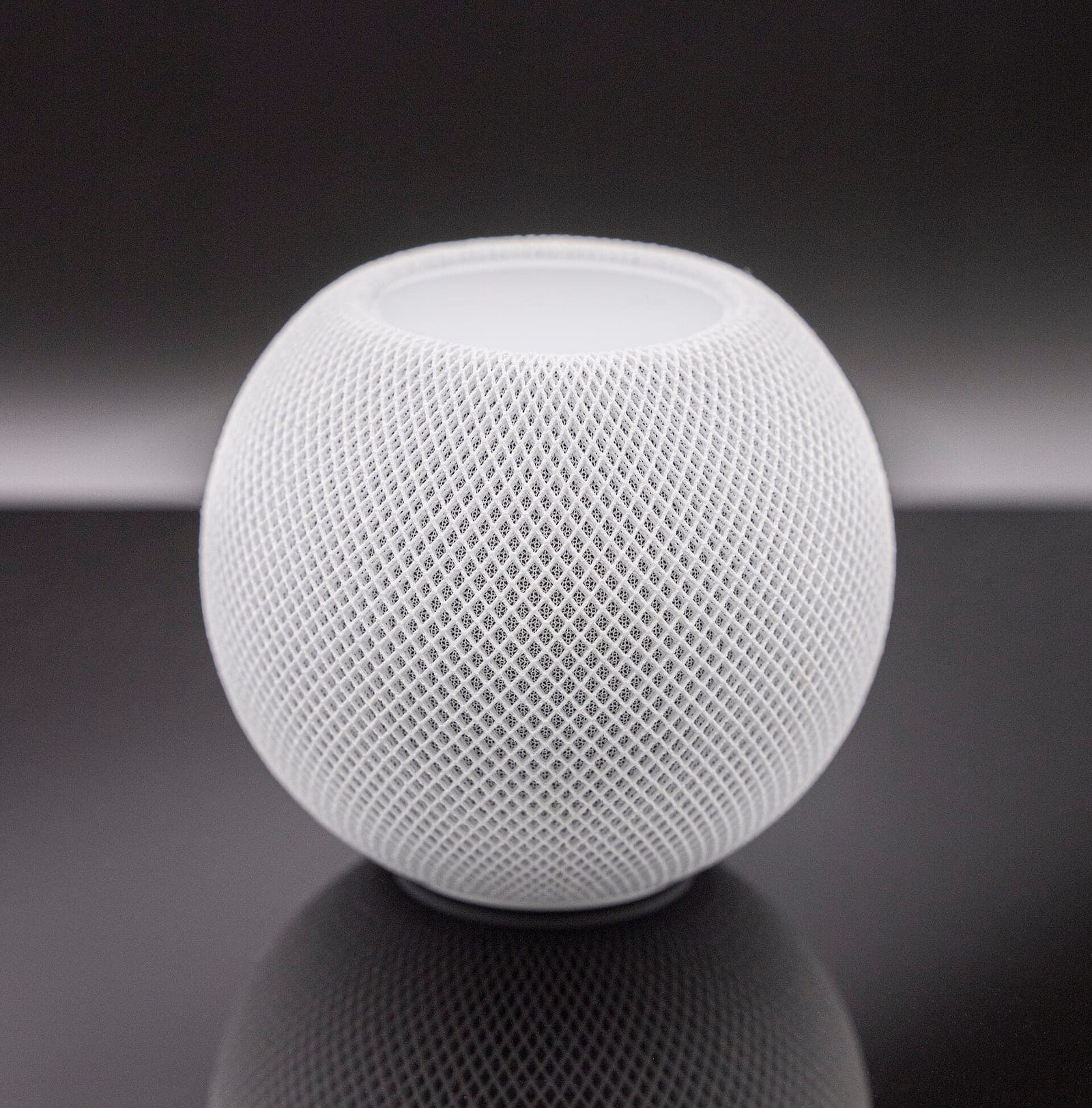
Apple's smart home hub reportedly launches October 13, with a camera that never records video
Bloomberg's Mark Gurman says Apple will announce its long-rumored smart home display on October 13. He also describes a companion home camera that sends text descriptions instead of video.
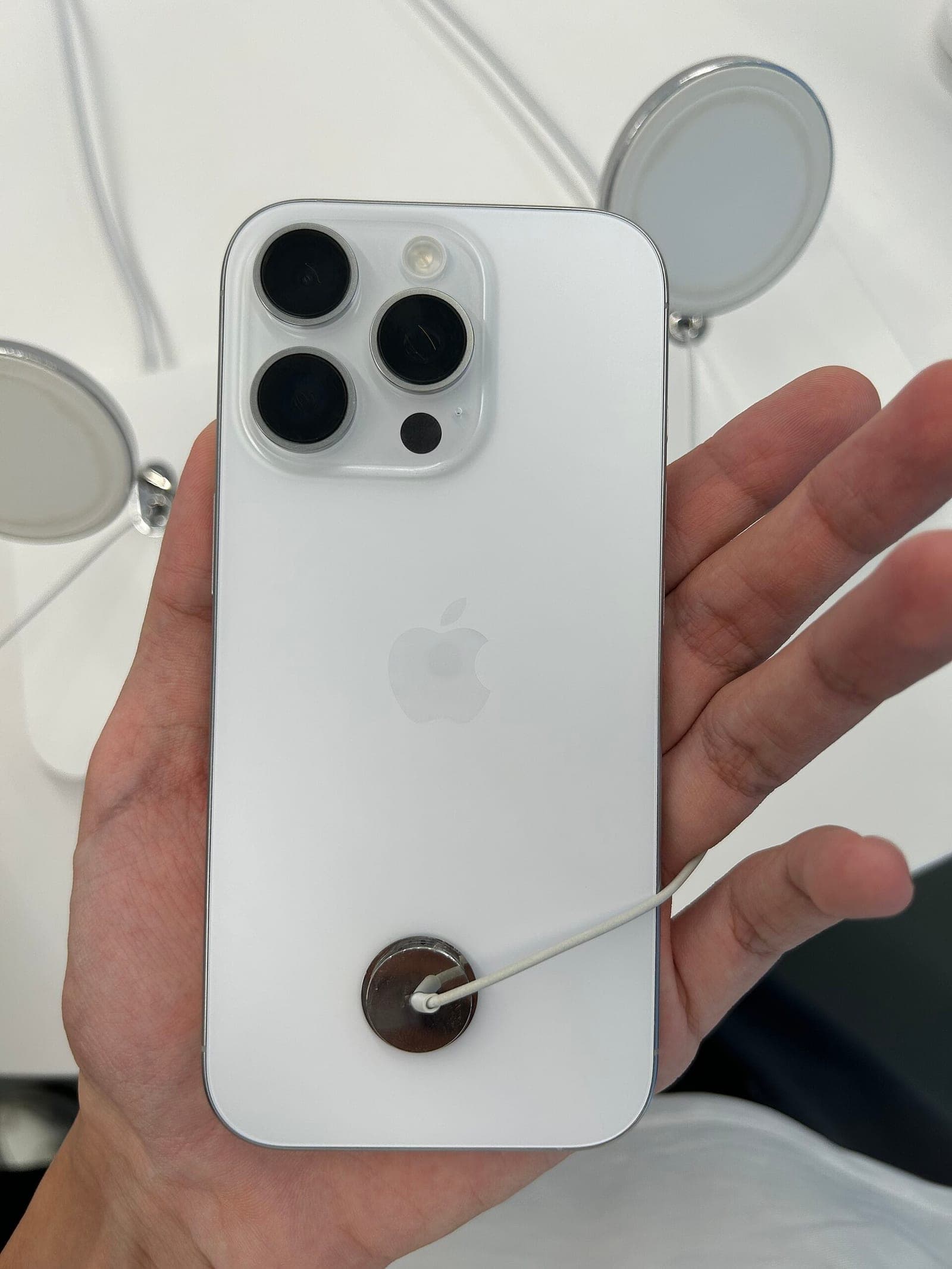
GrayKey maker reportedly found a way around the iPhone's Inactivity Reboot
A leaked training video seen by 404 Media says Magnet Forensics' new tools keep a seized iPhone in an easier-to-search state, even after the reboot Apple added in iOS 18.1.

Fervo's Cape Station becomes the first enhanced geothermal plant to sell power commercially
Fervo Energy's first 33-megawatt block at Cape Station in Utah reached commercial operation a day ahead of schedule, after 23 months of construction. Two more blocks follow by January 2027.
More in brief
- arXiv limits researchers to two papers a month as AI drives submissions to a recordOct 2
- California will fine robotaxi companies that block first responders for over 30 minutesOct 2
- Microsoft launches real-time transcription and new voice models for AI voice agentsOct 1
- Cloudflare releases Clef, open-weight AI models that make yes-or-no decisions fastOct 1
- Cloudflare renames its data platform Basin and makes it generally availableOct 1
- ChatGPT can now show you wearing clothes before you buy themOct 1