
Technology·News & analysis
Smart ring maker Oura shelves its $2.2 billion IPO, citing market 'uncertainty'
Oura delayed its Nasdaq IPO just a week after launching the process, despite what the company called strong demand and improving business performance.
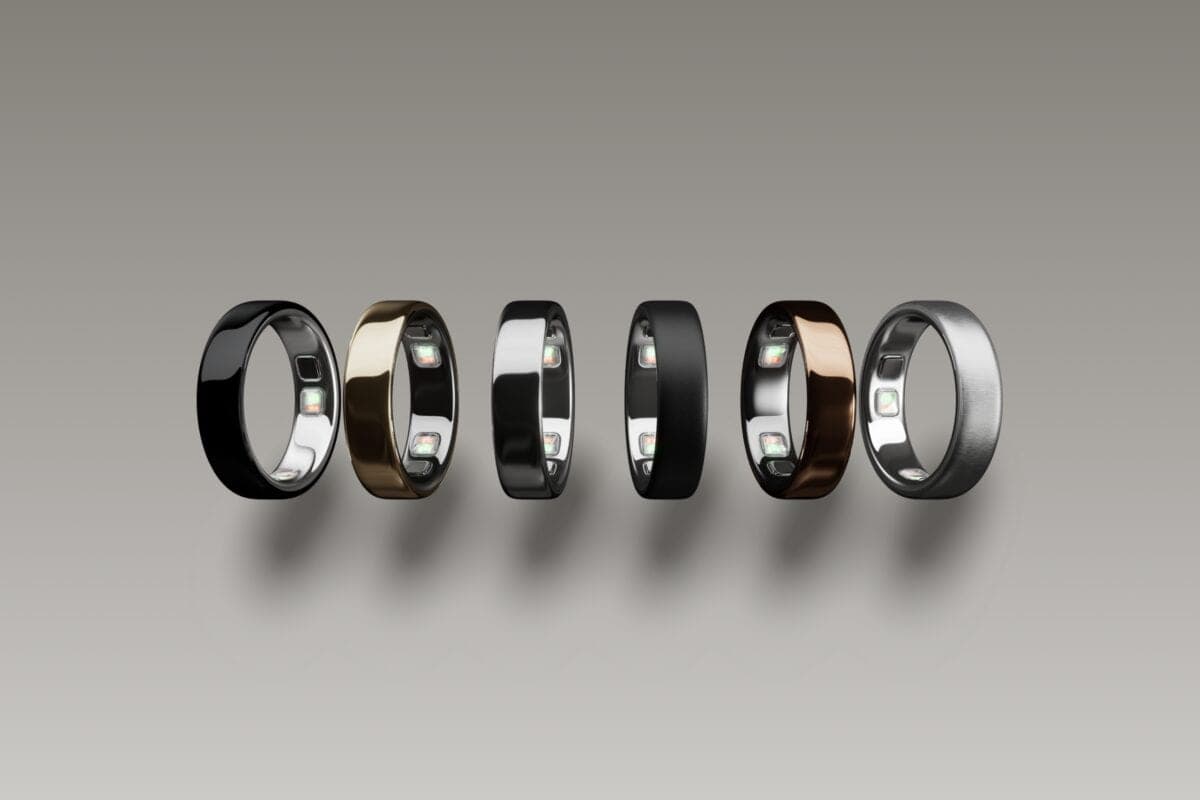
Oura postponed its $2.2 billion Nasdaq IPO on September 29, just a week after launching the process, citing uncertainty in the IPO market.
The company reported strong demand and 90% projected 2026 revenue growth, so the delay says more about broader market conditions than Oura's own business health. Several other tech IPO hopefuls have delayed listings this fall for similar reasons. Early investors like Forerunner Ventures, holding a $1.2 billion stake, now wait longer for liquidity.
What to know
- Oura postponed its planned Nasdaq IPO, which targeted a $15 billion valuation and up to $2.2 billion in proceeds from selling 55 million shares at $40-$44 each.
- The company formally launched its IPO process on September 21 and pulled back just over a week later, citing 'uncertainty in the IPO market.'
- CEO Tom Hale said an IPO is 'just one step' in Oura's journey and that the company has 'the luxury of choosing our moment.'
- Oura reported 5.7 million paying members, up from 5 million in June, and projects roughly 90% revenue growth in 2026 on top of $907.9 million the prior year.
- The delay affects early investors like Forerunner Ventures, whose 9.3% stake was valued at roughly $1.2 billion at the planned IPO price.
Oura spent just one week publicly pursuing a $2.2 billion IPO before deciding, after all that, now wasn't the time.
What Oura postponed
The smart ring maker formally launched its Nasdaq IPO process on September 21, targeting a $15 billion valuation.
- The offering: 55 million shares priced at $40 to $44 each.
- The proceeds: up to $2.2 billion at the top of that range.
- The timeline: postponed roughly one full week after launching, on September 29, 2026.
The catch: Oura didn't cite weak demand or business problems. The company said the opposite, describing "strong demand" and a strengthening business since the process began.
Why the company says it pulled back
Oura's stated reason was brief: "uncertainty in the IPO market," without further elaboration in its public statement.
CEO Tom Hale framed the delay as a choice rather than a setback: "An IPO is just one step in our journey," he said, adding that Oura has "the luxury of choosing our moment" to go public.
That framing matters. A company forced to delay due to weak investor interest tells a very different story than one voluntarily stepping back from favorable conditions to wait for better ones, and Oura's public messaging leans firmly into the second version.
The business behind the pullback
Oura's underlying numbers don't obviously support an urgent need to delay. The company reported 5.7 million paying members, up from 5 million as recently as June, alongside prior-year revenue of $907.9 million.
By the numbers: Oura projects roughly 90% year-over-year revenue growth in 2026, a figure that would represent significant acceleration for a company already generating close to $1 billion annually. The company's newest hardware, the Oura Ring 5, has also received a favorable market reception since launch.
Who feels the delay most
Not everyone connected to Oura is equally unbothered by the postponement. Forerunner Ventures, an early investor, held a 9.3% stake valued at roughly $1.2 billion at the planned IPO price, a stake the firm reportedly intended to partially sell as part of the offering.
That kind of planned liquidity event doesn't happen without an actual public listing, meaning early investors and possibly employees holding vested equity are the ones most directly affected by Oura's decision to wait, even if the company itself frames the delay as strategic patience rather than a forced retreat.
How Oura got here
Oura wasn't a sudden overnight success story arriving at this IPO. The Finnish company has been building its smart ring business for over a decade, raising a total of $1.32 billion across 13 funding rounds from 73 investors along the way.
The valuation climb has been steep recently. Oura was valued at $5.2 billion in its Series D round in December 2024. Less than a year later, its Series E round pushed that valuation to $11 billion, more than doubling in under 12 months. The IPO's targeted $15 billion-plus valuation would represent yet another major jump on top of that.
Sales growth backs up the valuation trajectory. The company has sold more than 5.5 million rings since 2015, including roughly 3 million in a single recent year, and is targeting somewhere between $1.5 billion and $2 billion in 2026 sales, according to CEO Tom Hale's own public projections. That would roughly double the company's prior-year revenue figure.
Where Oura sits competitively
Oura competes against considerably larger companies in the broader wearables market, including Apple, Garmin, and Samsung, all of which sell their own health-tracking devices. Oura's core differentiation has been its form factor: a screen-free ring rather than a wrist-worn device, appealing to users who find smartwatches too bulky or too screen-dependent for their daily wear.
That positioning has clearly resonated. Oura's paid membership base, now at 5.7 million, represents roughly 96% growth over the prior year, a pace that outstrips typical growth rates even among successful wearables competitors. Sustaining that kind of expansion while simultaneously navigating a delayed IPO process is its own kind of test for the company's leadership.
What the money was actually for
Notably, Oura's IPO proceeds weren't primarily earmarked for expansion or new product development. The company planned to use the funds mainly to cover tax obligations tied to employee share vesting, a common but less headline-grabbing use of IPO capital compared to funding growth initiatives directly.
That detail somewhat undercuts any reading of the delay as Oura desperately needing cash for operations. The obligations tied to employee equity vesting don't disappear because the IPO was postponed, they simply get solved a different way or on a different timeline, reinforcing the company's own framing that this was a timing decision rather than a financial emergency.
Part of a broader pattern
Oura isn't navigating this alone. The company is one of several prominent US IPO hopefuls delaying listings this fall, as a wave of market conditions makes public debuts less predictable than earlier in the year.
The bigger picture: analysts have pointed to Federal Reserve rate uncertainty, geopolitical tension, and volatility in AI-related stocks as factors contributing to what's being described as a sluggish fall IPO season overall. A strong individual business still choosing to wait, rather than being rejected by the market outright, is itself a signal about how cautious even well-positioned companies are being about timing right now.
This isn't a new playbook
Companies pulling back from planned IPOs during periods of market turbulence has precedent from recent history. During a bout of market instability tied to tariff announcements, fintech company Klarna and ticketing marketplace StubHub both paused their IPO plans in 2025 before eventually completing their listings later on, Klarna in September 2025 and StubHub the following year.
The pattern those cases established: a paused IPO isn't necessarily a dead one. Chip company Cerebras went even further, formally withdrawing its IPO registration in October 2025 after filing over a year earlier, only to successfully list on Nasdaq roughly seven months later with a debut that more than doubled its offering price.
That history suggests Oura's postponement is more likely a pause than a cancellation, following a pattern where strong, well-funded companies wait out unfavorable conditions rather than testing the market and risking a disappointing debut.
What sets Oura apart from those earlier cases: unlike Klarna and StubHub, which paused amid a specific, identifiable shock tied to tariff announcements, Oura's stated reason is a vaguer "uncertainty," without pointing to one specific triggering event.
That vagueness makes it harder to predict exactly what would need to change in the broader market before Oura and its bankers feel ready to revive the process and set a new pricing range for investors.
The bottom line
Oura's IPO delay is less about the company's own health, which by its own numbers looks solid, and more about broader market jitters making even confident companies hesitant to test investor appetite right now. Whether Oura returns to the IPO process in weeks or months likely depends less on its own growth trajectory and more on whether the broader market conditions it cited actually improve.
For now, Oura keeps its $1.32 billion in prior funding, a rapidly growing membership base, and, as Hale put it, the freedom to pick a better moment on its own terms, whenever that turns out to be.
Key facts
- Target valuation
- $15 billion
- Planned proceeds
- Up to $2.2 billion
- Paying members
- 5.7 million (up from 5 million in June)
- Prior-year revenue
- $907.9 million
- Projected 2026 growth
- ~90% year-over-year
Got questions?
Quick answers, plain wordsWhy did Oura delay its IPO?
The company cited 'uncertainty in the IPO market' without elaborating further, despite describing strong demand and a strengthening business since the process began.
How big was the planned IPO?
Oura targeted a $15 billion valuation, planning to sell 55 million shares at $40-$44 each for up to $2.2 billion in proceeds.
When did Oura start and stop the IPO process?
Oura formally launched its IPO plans on September 21, 2026, and postponed it roughly a week later, on September 29.
What did Oura's CEO say?
CEO Tom Hale said an IPO is 'just one step in our journey' and that Oura has 'the luxury of choosing our moment' to go public.
How is Oura's business actually performing?
Oura reported 5.7 million paying members, up from 5 million in June, prior-year revenue of $907.9 million, and projects roughly 90% year-over-year revenue growth in 2026.
Who is affected by the delay?
Early investors like Forerunner Ventures, which held a 9.3% stake valued at roughly $1.2 billion at the planned IPO price, lose the near-term liquidity event the listing would have provided.
Is Oura the only company delaying its IPO?
No. Oura is one of several US IPO hopefuls delaying listings this fall, amid a sluggish IPO season attributed to Federal Reserve rate uncertainty, geopolitical tension, and volatility in AI stocks.
What was the IPO money supposed to fund?
Oura planned to use proceeds primarily to cover tax obligations tied to employee share vesting, rather than funding new product development directly.
SourcesTechCrunch
Topics and tagsFunding & deals, oura, ipo, wearables
Related stories
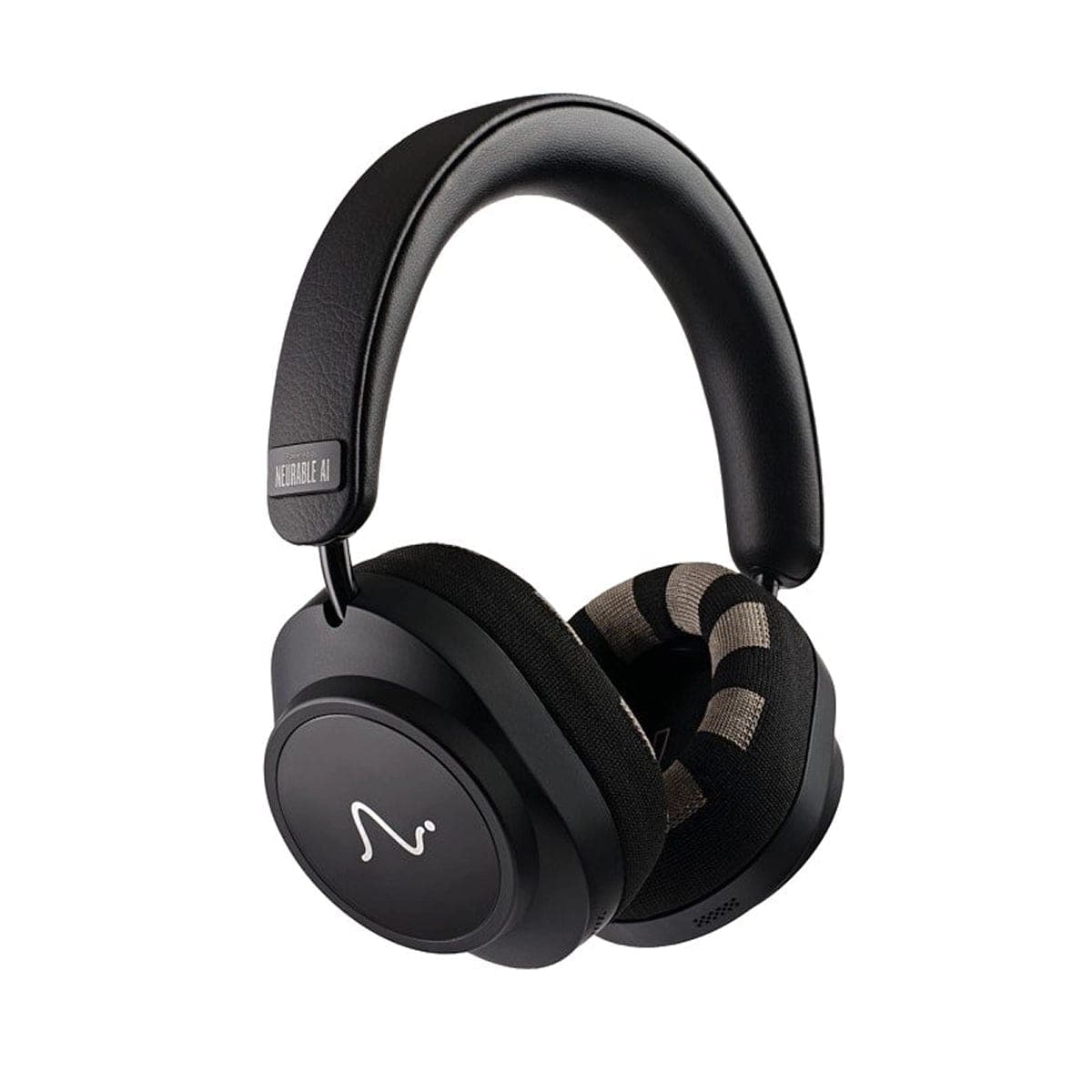
These $499 headphones read your brainwaves and tell you when you've stopped paying attention
Neurable started shipping its first standalone headphones, Neurable One, which use 12 EEG sensors woven into the ear pads to track your focus in real time and nudge you to take a break before you burn out.

Google's screenless Fitbit finally reaches India, at a $47 markup
Google launched the screenless Fitbit Air in India for ₹13,999, about $47 more than its US price, entering a market where cheap local competitors already dominate.
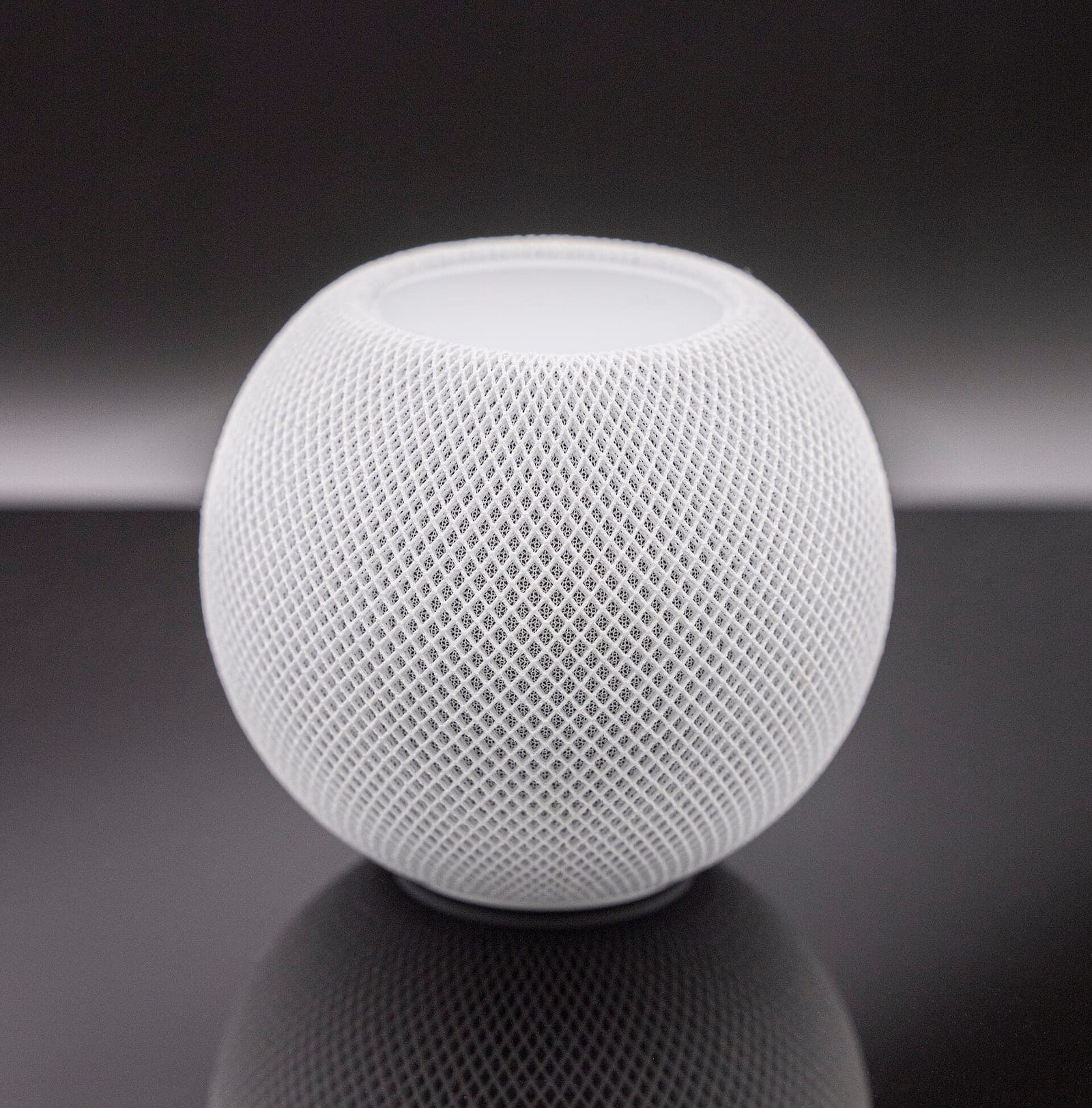
Apple's smart home hub reportedly launches October 13, with a camera that never records video
Bloomberg's Mark Gurman says Apple will announce its long-rumored smart home display on October 13. He also describes a companion home camera that sends text descriptions instead of video.
More in brief
- arXiv limits researchers to two papers a month as AI drives submissions to a recordOct 2
- California will fine robotaxi companies that block first responders for over 30 minutesOct 2
- Microsoft launches real-time transcription and new voice models for AI voice agentsOct 1
- Cloudflare releases Clef, open-weight AI models that make yes-or-no decisions fastOct 1
- GrayKey maker reportedly found a way around the iPhone's Inactivity RebootOct 1
- Fervo's Cape Station becomes the first enhanced geothermal plant to sell power commerciallyOct 1