
Technology·News & analysis
Apple is reportedly only making 6-8 million iPhone Duo units, and yields are still rough
Apple is reportedly targeting 6-8 million iPhone Duo units for 2026, far below typical flagship volumes, as assembly yields sit just above 60% ahead of an October launch.
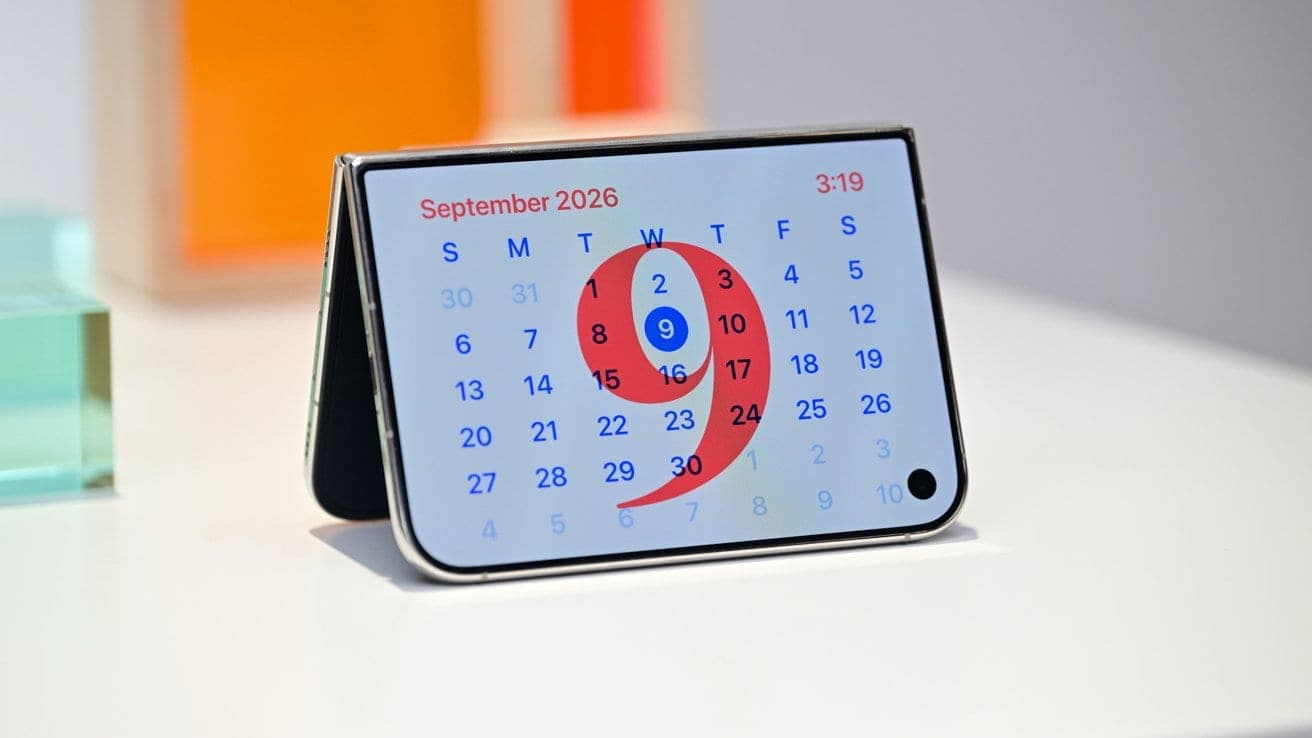
Apple is reportedly targeting just 6-8 million iPhone Duo units for 2026, well below the 20-30 million typical for a flagship iPhone Pro.
Assembly yields at Foxconn sit at just above 60% weeks before an October launch, pointing to real manufacturing complexity in Apple's first folding iPhone. That signals Apple is treating the Duo as a niche, premium product rather than chasing mass-market volume in year one. It likely means limited stock and longer wait times for buyers trying to get one at launch.
What to know
- Apple is reportedly targeting 6-8 million iPhone Duo units for 2026, well below the 20-30 million typical for a flagship Pro model.
- Assembly yields at Foxconn are reported at just above 60%, with suppliers estimating it could take six months to a year to mature further.
- The foldable's hinge contains more than 100 parts requiring tight manufacturing tolerances, and Samsung Display's OLED panels face their own yield and delivery issues.
- Apple is reportedly prioritizing its strict quality standards over higher production yields, risking shortages at launch.
- Pre-orders begin October 16, with a starting price of $1,999.
Apple's first folding iPhone is proving genuinely hard to actually build at scale, and the production numbers reportedly reflect that difficulty.
What's actually inside the device
Before getting to the manufacturing problems, it's worth understanding what Apple is actually trying to build. The iPhone Duo features a 5.4-inch outer display for quick use when closed, unfolding to a 7.6-inch inner display for a tablet-like experience, both Super Retina XDR OLED panels with ProMotion up to 120Hz and up to 3,000 nits of outdoor peak brightness.
The physical design: Apple went with a passport-style shape, wider than it is tall when open, measuring 84.1mm by 117.8mm by 11.3mm closed, and 164.6mm by 117.8mm by just 5.2mm when unfolded. That's a notably thin profile for a folding device once opened, reflecting how much engineering effort went into the internal layering.
The device also carries Ceramic Shield on both the front and back exterior surfaces, along with a scratch-resistant coating specifically on the inner foldable display, protections aimed at the two areas most likely to take daily wear and tear.
The numbers
Apple is reportedly targeting 6-8 million iPhone Duo units for 2026, according to Chinese outlet Jiemian News citing supplier information.
- The comparison: a typical flagship iPhone Pro model usually ships 20-30 million units.
- The yield: assembly at Foxconn currently sits at just above 60%, well below where Apple would typically want to be this close to launch.
- The timeline: suppliers estimate it could take six months to a year for yields to mature further under Apple's standards.
The catch: this isn't Apple deliberately choosing a smaller number purely for exclusivity's sake. It's reportedly a direct consequence of how hard the new foldable design is to manufacture consistently at real scale.
Why the hinge is the hard part
The core manufacturing challenge centers on the iPhone Duo's hinge mechanism, which reportedly contains more than 100 individual parts, each requiring tight tolerances to work reliably across thousands of fold cycles.
That level of mechanical complexity is exactly the kind of manufacturing challenge that has plagued foldable phones across the industry for years, and Apple's famously exacting quality standards make it even harder to hit acceptable yields quickly.
Samsung Display, which supplies the OLED panels for the device, is reportedly facing its own separate yield and delivery issues, compounding the assembly-side problems Foxconn is already managing.
Quality over speed
Rather than relaxing its standards to push more units through the line faster, Apple is reportedly holding firm on its usual quality bar. One source described the situation plainly: "Equipment, processes, and production settings need refinement as the line moves toward larger volumes."
Why it matters: that choice trades short-term supply for long-term product reliability. Apple would rather ship fewer working, durable units than flood the market with a foldable that develops hinge problems or screen creasing issues within its first year in customers' hands.
Why the hinge is so complicated in the first place
That 100-plus-part hinge isn't complexity for its own sake. It's central to Apple's specific engineering approach to the crease problem that has defined foldable phones since the category began.
How it works: the iPhone Duo's inner display uses 10 ultrathin layers, including a custom nano-texture cover layer made from a stiff polymer designed to reduce glare and help hide the fold line. Optically clear adhesives let those display layers glide against each other as the screen folds, reducing the mechanical stress that typically causes a visible crease to develop over time.
The hinge itself uses a Grade 5 titanium frame and cover, engineered to open and close with smooth, balanced resistance meant to hold up across years of daily folding. That's a lot of precision-engineered hardware packed into a mechanism most owners will never see directly, which helps explain why getting consistent, reliable yields has proven so difficult this early in production.
Catching up to Samsung's durability bar
Apple isn't entering an empty market. Samsung has sold foldable phones for seven years and held roughly 40% global market share in 2025, according to Counterpoint Research, making it the clear foldable category leader Apple now has to compete against directly.
Where Apple is reportedly aiming its design: at the specific pain points Galaxy Fold owners have complained about most, particularly crease visibility, dust resistance, and interruptions to the display surface. The iPhone Duo carries an IP68 water and dust resistance rating, notably higher than Samsung's most recent foldables, which have topped out at IP48.
Samsung isn't standing still either. Its upcoming Galaxy Z Fold 8 is reportedly introducing its own new creaseless display technology, replacing the traditional plastic support layer with a metal reinforcing plate for improved rigidity. That timing means Apple's first folding iPhone arrives just as its most established competitor is also making its biggest durability leap yet, rather than into a market where the bar had stayed still.
What Apple hasn't confirmed
It's worth noting what's actually known here versus what's estimated. Apple hasn't publicly disclosed its own internal yield targets or expectations, and current reporting is built from supplier-level estimates passed to Jiemian News rather than an official Apple statement.
That gap matters. It's genuinely unclear what percentage of devices coming off the line Apple originally expected to pass quality inspection, meaning the current 60%-plus figure could represent either a significant shortfall or something closer to what Apple anticipated for a first-generation folding product.
What this means for buyers
Pre-orders are expected to open October 16, with the iPhone Duo starting at $1,999. Given the production numbers involved, early buyers should likely expect tight availability rather than a straightforward pre-order-and-receive-it experience.
By the numbers: with just 6-8 million units planned for the entire year, and a premium starting price limiting the buyer pool somewhat on its own, demand could plausibly outstrip supply for months after launch, particularly for popular color and storage configurations.
Is 6-8 million actually bad?
Framed against typical iPhone Pro volumes, 6-8 million units looks small. But the foldable phone market as a whole remains a niche category industry-wide, and Apple is entering it for the first time with a device priced well above most of its existing lineup.
Analysts covering the story have suggested that selling anywhere near 8 million units before the end of 2026 would actually be viewed as a strong result for Apple's first folding iPhone, rather than a disappointment, given how new and unproven the category still is for the company specifically.
That framing matters for how investors and industry watchers judge the launch. A modest unit count that would look weak for an iPhone Pro line can still represent genuine market validation for a first-generation device entering a category Apple has never shipped a product in before.
The bottom line
Apple's iPhone Duo appears to be launching into real manufacturing constraints, not marketing-driven scarcity, with assembly yields still working through the kind of mechanical complexity foldable phones have struggled with across the industry for years.
Whether Apple can meaningfully improve that yield rate before demand outpaces the modest 6-8 million unit target will likely determine how available, or how scarce, the iPhone Duo actually is for buyers trying to get one during its first year on the market.
Key facts
- 2026 production target
- 6-8 million units
- Typical flagship volume
- 20-30 million units
- Current assembly yield
- Just above 60%
- Starting price
- $1,999
- Pre-orders begin
- October 16, 2026
Got questions?
Quick answers, plain wordsHow many iPhone Duo units is Apple making?
Reportedly 6-8 million units for 2026, according to Chinese outlet Jiemian News citing supplier information, well below the 20-30 million units typical for a flagship iPhone Pro model.
Why is production so much lower than usual?
The foldable design is significantly harder to manufacture at scale. Assembly yields are reported at just above 60%, meaning a large share of units built don't pass quality inspection, and suppliers estimate it could take six months to a year to mature that yield further.
What's causing the manufacturing difficulty?
The hinge mechanism alone contains more than 100 parts requiring tight tolerances, and Samsung Display, which supplies the OLED panels, is reportedly facing its own yield issues and delivery delays.
Is Apple lowering its quality standards to increase supply?
Reportedly not. Apple is said to be prioritizing its strict quality standards over pushing yields higher quickly, a choice that risks limited stock and shortages at launch rather than shipping units that don't meet its bar.
When does the iPhone Duo launch?
Pre-orders are expected to begin October 16, 2026, with a starting price of $1,999.
Would 6-8 million units be considered a success?
Analysts suggest yes. Given the foldable market remains niche and the premium price point, selling anywhere near 8 million units before the end of 2026 would reportedly be seen as a major win for Apple's first folding iPhone.
Who assembles the iPhone Duo?
Foxconn handles assembly, with Samsung Display providing the OLED panels and multiple other suppliers contributing hinge components.
Could the production target change?
It's possible. Apple hasn't publicly disclosed its own yield expectations, and current reporting is based on supplier estimates rather than confirmed Apple figures, so both the volume and timeline could shift as production continues.
SourcesAppleInsider
Topics and tagsApple, Industrial robots, Smartphones, apple
Related stories
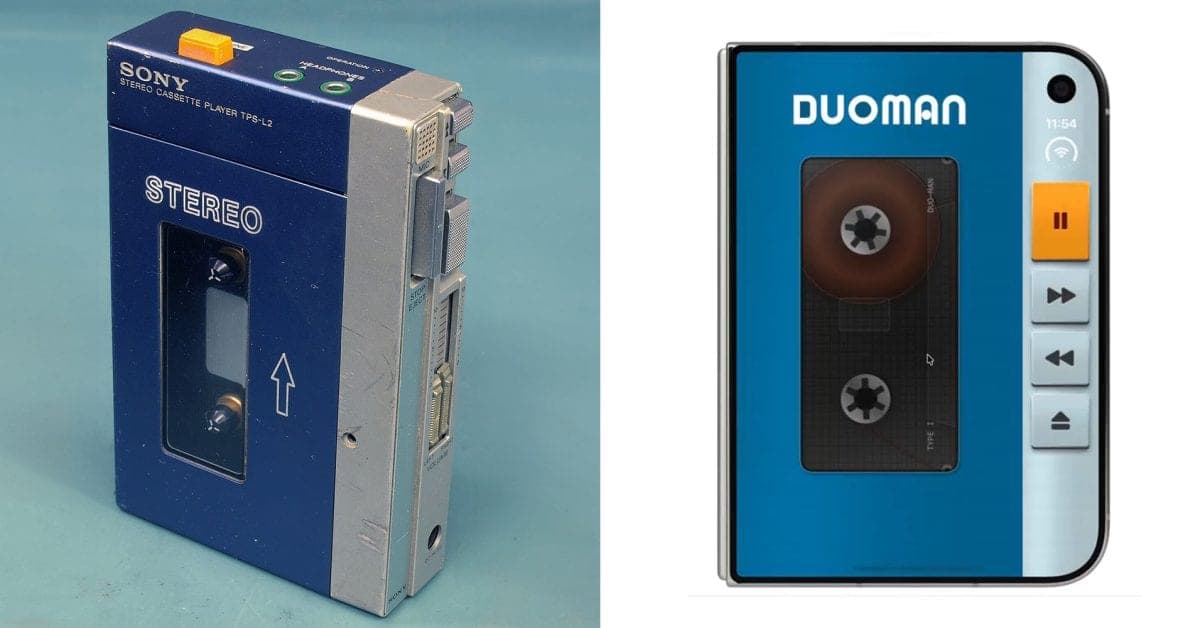
A hackathon app turns the iPhone Duo into a working Sony Walkman
Developer Vidit Bhargava built Duo-Man, an app that uses the iPhone Duo's folding design to recreate the 1980s Sony Walkman, complete with real recorded button clicks and cassette static.
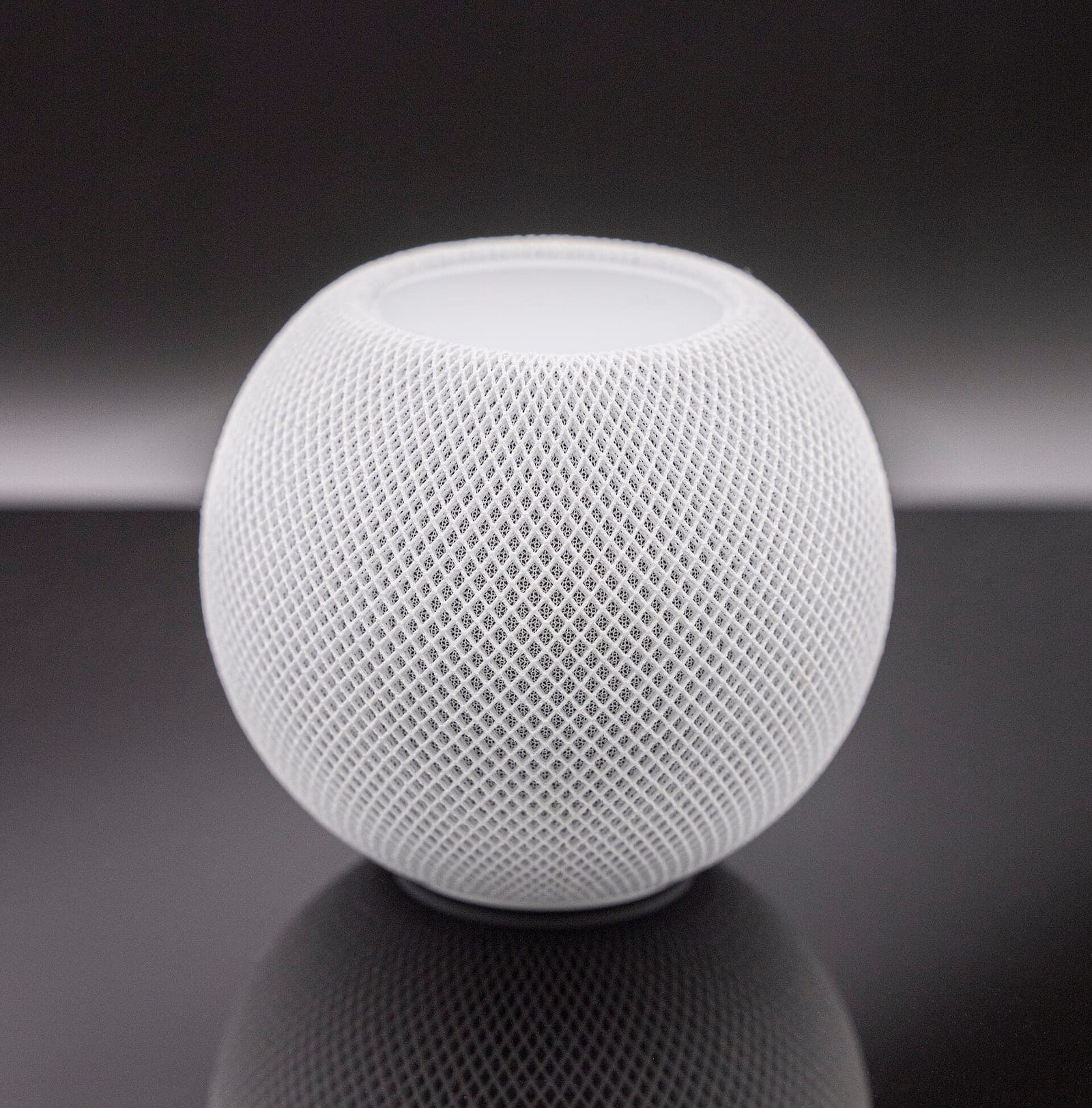
Apple's smart home hub reportedly launches October 13, with a camera that never records video
Bloomberg's Mark Gurman says Apple will announce its long-rumored smart home display on October 13. He also describes a companion home camera that sends text descriptions instead of video.
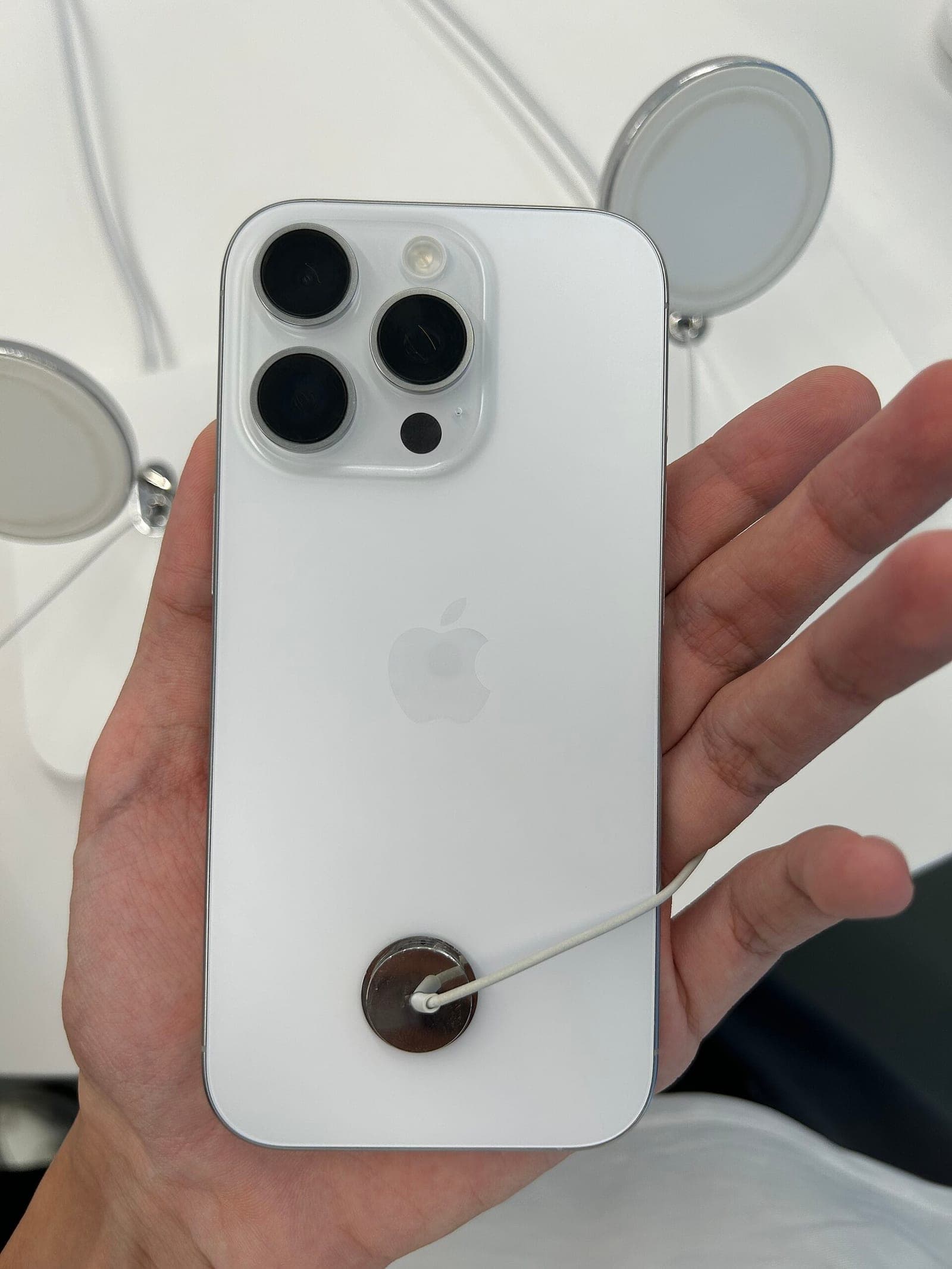
GrayKey maker reportedly found a way around the iPhone's Inactivity Reboot
A leaked training video seen by 404 Media says Magnet Forensics' new tools keep a seized iPhone in an easier-to-search state, even after the reboot Apple added in iOS 18.1.
More in brief
- arXiv limits researchers to two papers a month as AI drives submissions to a recordOct 2
- California will fine robotaxi companies that block first responders for over 30 minutesOct 2
- Microsoft launches real-time transcription and new voice models for AI voice agentsOct 1
- Cloudflare releases Clef, open-weight AI models that make yes-or-no decisions fastOct 1
- Fervo's Cape Station becomes the first enhanced geothermal plant to sell power commerciallyOct 1
- Cloudflare renames its data platform Basin and makes it generally availableOct 1