
Technology·News & analysis
A hackathon app turns the iPhone Duo into a working Sony Walkman
Developer Vidit Bhargava built Duo-Man, an app that uses the iPhone Duo's folding design to recreate the 1980s Sony Walkman, complete with real recorded button clicks and cassette static.
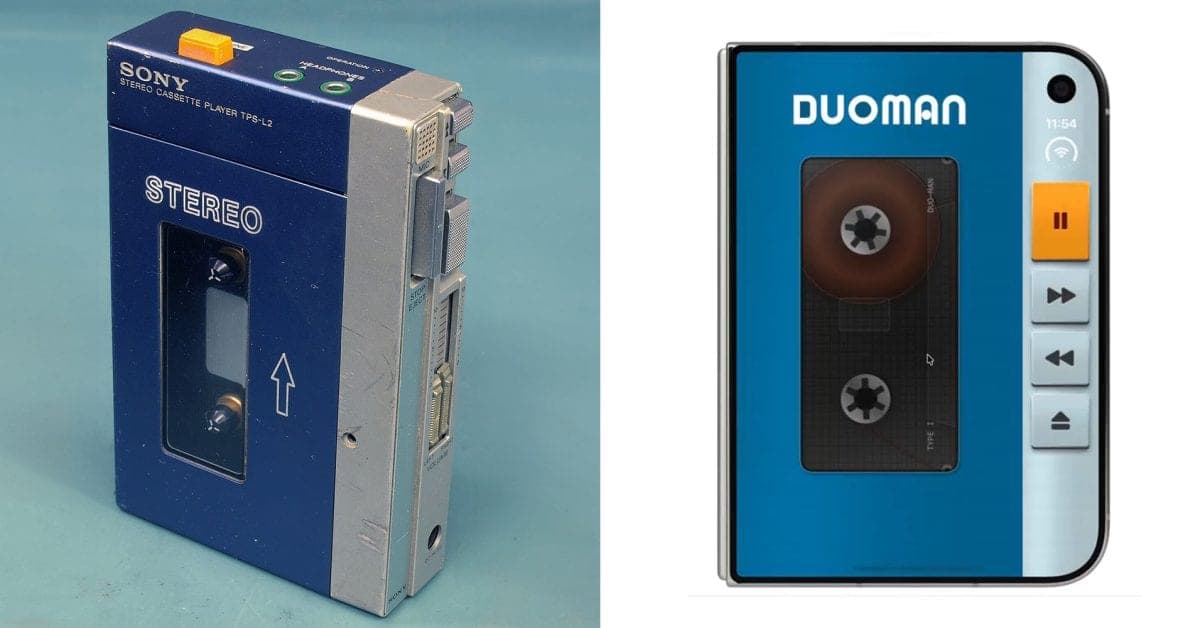
Developer Vidit Bhargava built Duo-Man, an app that recreates the 1980s Sony Walkman using the iPhone Duo's folding design, letting users open the phone to 'insert' a cassette and close it to start playback.
Bhargava recorded real button clicks and static from an actual Walkman for authenticity, and brought a physical Walkman to the hackathon where he built the app so attendees could see the original device. What started as a fun demo is now becoming a real app with Apple Music support.
What to know
- Developer Vidit Bhargava created Duo-Man, an app that recreates the 1980s Sony Walkman experience using the iPhone Duo's folding design.
- Opening the Duo lets users pick and 'insert' a virtual cassette, and closing it starts playback, mimicking how a real Walkman worked.
- Bhargava recorded real button clicks and static from an actual Walkman to use as sound effects in the app.
- Originally built as a fun demo at a hackathon, Bhargava now plans to release Duo-Man as an actual app, with Apple Music support.
Before the iPod, before streaming, there was the Sony Walkman. Now a hackathon project called Duo-Man is bringing that exact experience back, using Apple's newest folding phone.
What Duo-Man actually does
Developer Vidit Bhargava built the app around the iPhone Duo's folding hinge, turning the physical act of opening and closing the phone into the same ritual as loading a cassette.
- Open the Duo: Pick and "insert" a virtual cassette.
- Close the Duo: Playback starts, just like snapping a real Walkman shut.
- Sound design: Real recorded button clicks and cassette static from an actual Walkman.
The catch: it started as nothing more than a fun demo. Bhargava has since decided to turn it into a real, released app rather than leaving it as a one-off hackathon project.
Built for people who remember the original
Bhargava created Duo-Man at a hackathon called bitrig hacks, and he came prepared for an audience who likely had never seen a Walkman in person.
In real life If you're old enough to remember loading a cassette into a Walkman before heading out the door, Duo-Man is built to recreate that exact muscle memory, down to the sound of the tape mechanism.
Bhargava brought an actual physical Sony Walkman to the hackathon specifically so attendees could see what the original device looked like, since many had likely never encountered one.
That detail says as much about the Walkman's place in tech history as the app itself. Before the Walkman existed, portable music meant heavy, bulky cassette players that weren't practical to actually carry around. Sony solved that by shrinking down a cassette recorder originally designed for journalists.
Why it matters: the original 1979 Sony Walkman TPS-L2 actually launched with two headphone jacks and an orange "hotline" talk button, labeled "guys" and "dolls," because Sony chairman Akio Morita believed it would be rude for one person to listen to music alone. Buyers ignored that idea almost immediately, and Sony quietly dropped both features within a few years as solo listening became the entire point.
That single-listener experience the Walkman accidentally created went on to define decades of personal audio, and the device itself sold more than 250 million units worldwide over its lifetime. Duo-Man is recreating the tail end of that legacy on hardware Sony could never have imagined back in 1979, using a folding glass slab instead of a plastic cassette deck.
Why the sound effects matter
Bhargava didn't rely on generic beeps or stock audio for Duo-Man's interface. He recorded real button clicks and static directly from a working Walkman, according to his own account of the project.
By the numbers: that level of care, matching physical hinge gestures to specific real-world audio, is what separates a genuine recreation from a simple skinned music player app. It's a detail easy to skip but central to why the app resonated with people who remember the original device.
From joke demo to real app
What began as something Bhargava built purely for fun at a hackathon is now becoming an actual released app. He's said Duo-Man will support Apple Music, meaning users will eventually be able to load real songs and playlists into the retro cassette interface rather than just simulating the experience with no real audio behind it.
That shift, from throwaway hackathon project to planned release, is a familiar path for small, charming apps that unexpectedly resonate once shared publicly. A video of the app in action drew attention on X after Bhargava posted it, helping push the idea beyond the hackathon room it started in.
What the iPhone Duo actually is
Duo-Man's cassette-loading gesture only works because of specific choices Apple made with its first foldable phone. The iPhone Duo uses a book-style titanium design that opens like a small hardback, with a 7.6-inch inner OLED display and an A20 Pro chip.
What's next: the Duo is set to launch October 23, 2026, with preorders opening October 16, starting at $1,999 for the base 256GB model and climbing to $3,199 for the 2TB version. Notably, Apple skipped a telephoto lens and traditional Face ID on the Duo, using a Touch ID side button instead, tradeoffs made to accommodate the folding design.
That opening and closing motion, the exact gesture central to using a folding phone at all, happens to double perfectly as the cassette-insertion ritual Duo-Man is built around. It's the kind of coincidence that makes a hardware quirk feel purpose-built for an app nobody at Apple ever planned for.
Apple's own reasons for skipping a telephoto lens and Face ID were almost certainly about engineering tradeoffs and internal component space inside a folding chassis, not about leaving room for retro cassette apps. But the end result still gave an independent developer exactly the physical interaction a decades-old audio format needed to feel natural on a brand-new device.
The bigger nostalgia trend
Duo-Man isn't happening in isolation. It lands alongside a broader wave of retro-tech nostalgia this year, from wired earbuds making a comeback to renewed interest in older, simpler device designs generally.
By the numbers: design trend watchers have pointed to a rise in what's being called "skeuomorphism 2.0" throughout 2026, interfaces that deliberately recreate real-world textures and objects rather than staying flat and minimal. Spotify has its own cassette-tape-style playback interface as an example, and Instagram faced a genuine backlash after modernizing its app icon, eventually offering a paid option to unlock the older "throwback" version instead.
Apple's own iPhone Duo, a genuinely new hardware form factor, becoming the vehicle for recreating a nearly 50-year-old product category is a neat bit of full-circle design thinking, whether or not that was Bhargava's original intent when he sat down to build it.
What happens next for the app
Bhargava hasn't given a firm release date for Duo-Man's public launch, and the exact scope of the Apple Music integration remains unclear ahead of release. What is clear is that demand exists well beyond the room where it was built, given the amount of attention the project has already drawn online since the first video appeared.
Independent developer apps built around a single clever idea often face a choice once they attract this kind of attention: expand into something broader and lose the focused charm that made the original demo work, or stay narrow and risk feeling like a novelty that fades once the initial nostalgia wears off.
Duo-Man's planned Apple Music support suggests Bhargava is aiming for the former without abandoning the retro interface that makes the whole app distinctive in the first place.
The bottom line
Duo-Man is a small, independently built app, but it's a clever example of a new hardware shape unlocking an old interaction model nobody expected to need again. Whether it becomes more than a nostalgia trip for people who remember the original Walkman, or turns into a genuinely useful alternate music player, depends on how well Bhargava can turn a clever demo into something people actually want to use daily.
For now, it's a small but genuine reminder that some of the most charming software ideas come from a single person noticing an unexpected connection between old hardware and new, rather than from any product team's carefully planned roadmap.
Key facts
- App name
- Duo-Man
- Developer
- Vidit Bhargava
- Built at
- bitrig hacks hackathon
- Recreates
- 1980s Sony Walkman
- Music support
- Apple Music
Got questions?
Quick answers, plain wordsWhat is Duo-Man?
An app built by developer Vidit Bhargava that uses the iPhone Duo's folding design to recreate the experience of using a 1980s Sony Walkman cassette player.
How does Duo-Man work?
Users open the folded iPhone Duo to choose and 'insert' a virtual cassette, then close the phone to start playback, mimicking how you'd load and play a real cassette in a Walkman.
Did the developer use real Walkman sound effects?
Yes. Bhargava recorded actual button clicks and static noise from a real Sony Walkman to use as sound effects in the app.
Where was Duo-Man built?
At a hackathon called bitrig hacks. Bhargava brought an actual physical Walkman with him so other attendees, many of whom had likely never seen one, could see what the original device looked like.
Is Duo-Man available to download?
Not yet as a full release at the time of this report, but Bhargava said he originally built it just as a fun demo and now plans to release it as an actual app.
Will Duo-Man support streaming music?
Yes, reporting indicates it will work with Apple Music, letting users load real songs into the virtual cassette experience rather than just simulating the interface.
What was the original Sony Walkman?
A portable cassette player Sony created by taking an audio recorder designed for journalists and shrinking it down, making it one of the first devices that let people easily listen to music on the move, well before the iPod existed.
Why does the iPhone Duo's design fit this concept?
The Duo's folding form factor mirrors the physical action of opening a Walkman to load a cassette and closing it to play, which is exactly the interaction Duo-Man is built around.
Who is Vidit Bhargava?
The developer who created Duo-Man. He shared the project and a video of it in action on X, where it gained attention including from tech outlets covering the iPhone Duo.
Is this an official Apple app?
No. Duo-Man is an independently built third-party app created by a developer, not something released or endorsed by Apple.
Sources9to5Mac
Topics and tagsApple, Smartphones, apple, iphone duo
Related stories
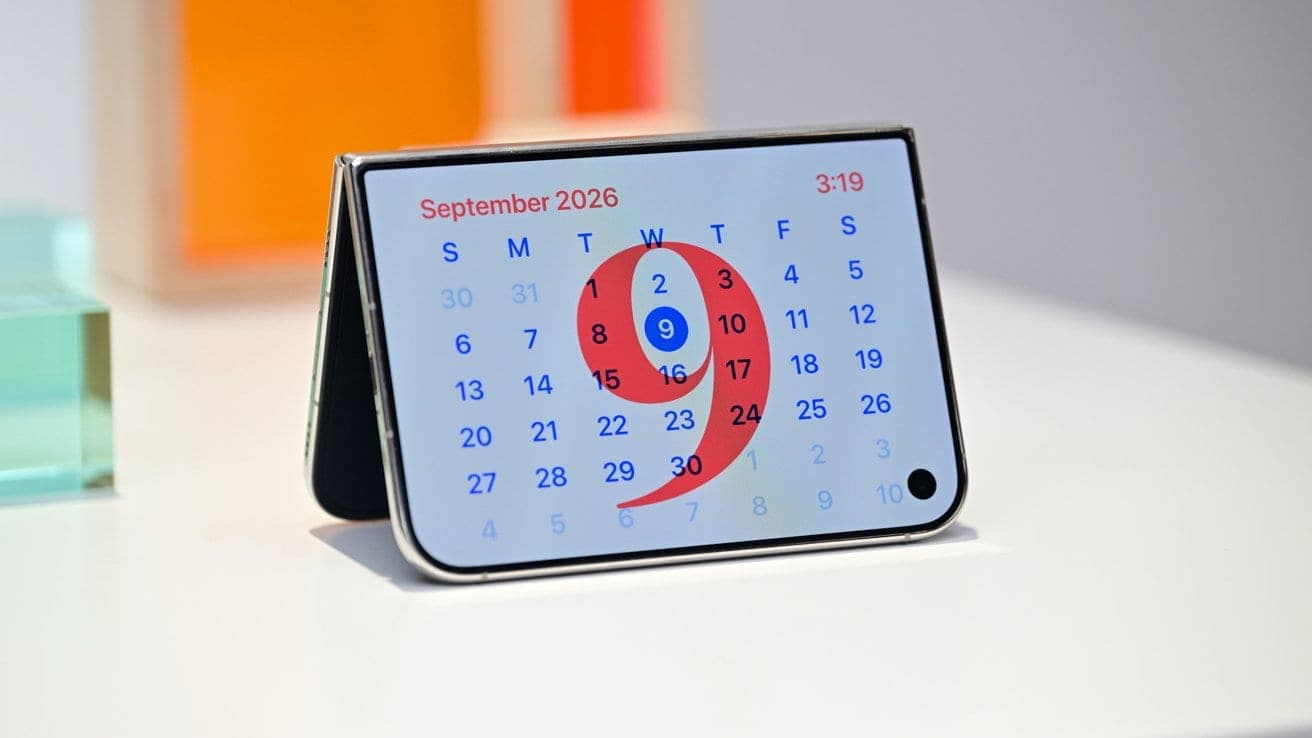
Apple is reportedly only making 6-8 million iPhone Duo units, and yields are still rough
Apple is reportedly targeting 6-8 million iPhone Duo units for 2026, far below typical flagship volumes, as assembly yields sit just above 60% ahead of an October launch.
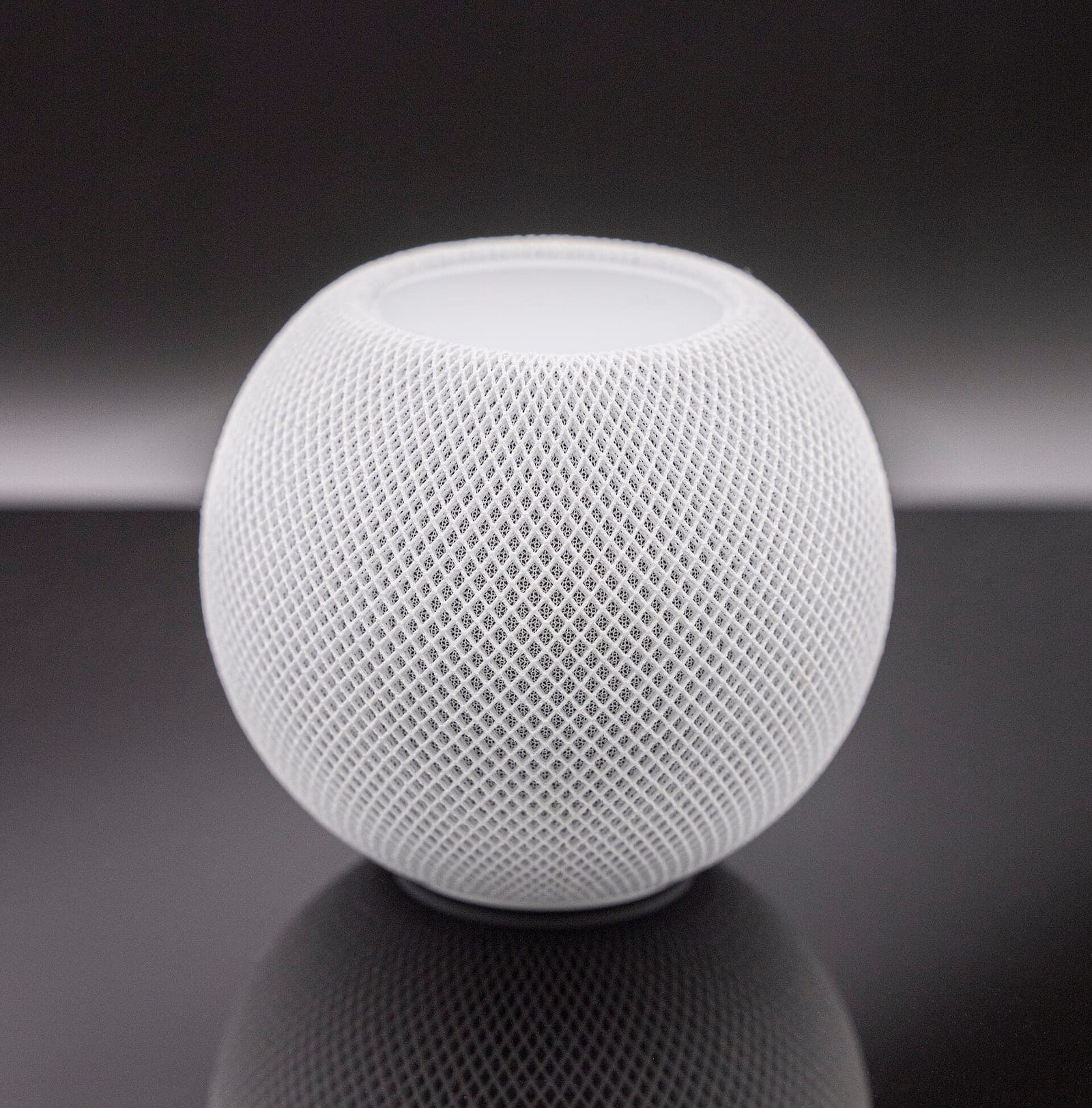
Apple's smart home hub reportedly launches October 13, with a camera that never records video
Bloomberg's Mark Gurman says Apple will announce its long-rumored smart home display on October 13. He also describes a companion home camera that sends text descriptions instead of video.
GrayKey maker reportedly found a way around the iPhone's Inactivity Reboot
A leaked training video seen by 404 Media says Magnet Forensics' new tools keep a seized iPhone in an easier-to-search state, even after the reboot Apple added in iOS 18.1.
More in brief
- arXiv limits researchers to two papers a month as AI drives submissions to a recordOct 2
- California will fine robotaxi companies that block first responders for over 30 minutesOct 2
- Microsoft launches real-time transcription and new voice models for AI voice agentsOct 1
- Cloudflare releases Clef, open-weight AI models that make yes-or-no decisions fastOct 1
- Fervo's Cape Station becomes the first enhanced geothermal plant to sell power commerciallyOct 1
- Cloudflare renames its data platform Basin and makes it generally availableOct 1