
Technology·News & analysis
Google confirms ChromeOS support ends in 2034, as Googlebook OS takes over
A new Google support document confirms ChromeOS updates will stop in mid-2034, with newer Chromebooks eligible to migrate to Googlebook OS, the Android-based platform launching October 4.
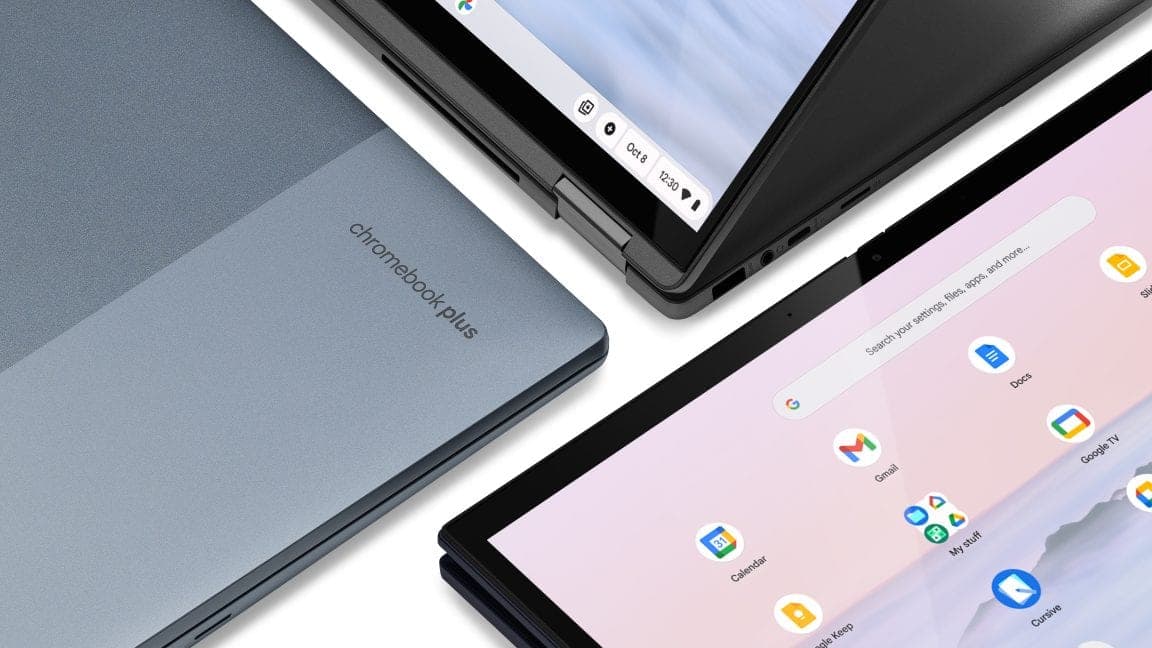
Google confirmed in a new support document that ChromeOS updates will stop in mid-2034, with eligible newer Chromebooks able to migrate to its Android-based Googlebook OS.
The 2034 date was previously buried in a court filing, but Google is now telling Chrome Enterprise and Education customers directly. Googlebooks launch October 4 starting at $899, far pricier than typical Chromebooks. Enterprise management tools for Googlebooks won't arrive until the second half of 2027, leaving schools and businesses with a long transition gap.
What to know
- Google confirmed in a support document that ChromeOS updates will stop in mid-2034, a date previously disclosed only in a court filing.
- Many newer Chromebooks will be eligible to migrate to Googlebook OS, Google's new Android-based platform, though specific models haven't been listed.
- Googlebooks launch October 4 starting at $899, far above typical Chromebook prices, and are already available for preorder.
- Enterprise and education management tools for Googlebooks won't arrive until the second half of 2027, well after the consumer launch.
Google says Chromebooks "will continue to exist." It also just published a document explaining exactly when they'll stop getting updates. Those two things are technically both true.
What the document says
A new Google support page, first spotted by 9to5Google, lays out how Googlebooks relate to Chrome Enterprise and Education customers. It confirms ChromeOS support continues through mid-2034, then stops.
- End date: Google will support ChromeOS through mid-2034.
- Migration: Many newer Chromebooks will be eligible to move to Googlebook OS, though Google hasn't named specific models.
- Management tools: Comparable admin tools for Googlebooks won't arrive until the second half of 2027.
The catch: the 2034 date isn't new information exactly. It previously showed up in a court filing, but putting it on a public support page is a much clearer signal than page 18 of a legal document.
Why this comes up now
Google is days away from launching Googlebooks, Android-based laptops the company hopes can compete with macOS and Windows machines. The support document exists specifically to explain what happens to existing Chromebook customers as that new platform arrives.
In real life If your school or workplace issued you a Chromebook, this document is aimed at the IT administrators who manage it, not directly at you, but it signals the platform you're using has a countdown attached to it now.
Googlebook OS offers deeper system capabilities and more built-in AI than ChromeOS, and multiple outlets note it functions much like Android, even though Google avoids describing it that way directly.
What happens to your Chromebook
Google says devices with support cycles extending past 2034 already exist, and it's telling IT managers it's "committed to supporting your transition to Googlebook OS, with many devices offering direct migration paths."
By the numbers: Googlebooks carry the same 10-year update and security patch commitment Chromebooks have offered, though for Googlebooks that clock starts from the launch of the processor inside the device rather than the device itself.
Rather than repeat what Google has called a "Windows XP situation," where a platform needed support windows extended again and again past its intended lifespan, the company appears to be trying to set clear expectations upfront this time, even if the specifics remain vague.
The price problem
Googlebooks launch October 4 and are available for preorder now, starting at $899. That's a price point no Chromebook has ever approached, since Chromebooks built a reputation specifically around being cheap.
Chrome Education and Enterprise upgrade licenses for Googlebook OS are separate from the hardware itself, and Google hasn't announced pricing or terms for those licenses yet. Schools and businesses that rely on inexpensive, easily managed Chromebook fleets don't yet know what a Googlebook-based fleet would cost them to run.
What $899 actually buys
Googlebooks aren't a single Google-made device. Five manufacturers, Acer, Asus, Dell, HP, and Lenovo, are releasing their own models at launch, all built around the same Googlebook OS platform.
What's next: the entry-level Acer Googlebook 14 sets the pricing floor at $899, and comes with a 14-inch 2.8K OLED touchscreen, an Intel Core Ultra 5 or 7 Panther Lake processor, 16GB of RAM, at least 256GB of SSD storage, and an aluminum-and-magnesium chassis. Every Googlebook model ships with an NPU rated above 40 TOPS for on-device Gemini AI processing.
Buyers also get software bundled in: 12 months of Google AI Pro with 5TB of cloud storage and Gemini Advanced tools, plus three months each of YouTube Premium and Adobe Photoshop. That bundle helps justify the price jump over a typical Chromebook, but it's still a very different purchase than the sub-$300 Chromebooks many schools buy in bulk.
Googlebooks launch October 4 in the US, with Canada, the UK, Ireland, France, Germany, and Australia following October 5.
How big a deal ChromeOS became
It's hard to overstate how completely Chromebooks took over classrooms after Google introduced them in 2011 as a cheap alternative to Windows laptops, MacBooks, and iPads. Chromebooks held under 1% of the US education device market in 2012.
The big picture: that number has since climbed to roughly 60% of the global education device market, according to industry tracking, making ChromeOS the single most widely used computing platform in schools worldwide. More than 38 million K-12 students globally now use Chromebooks, and an estimated 93% of US school districts planned to purchase more of them this year alone.
That scale is exactly why Google's careful wording matters so much here. A platform used by tens of millions of students isn't something a company can simply announce it's killing without real disruption, even if the underlying plan is exactly that.
It also explains why Google is leaning so heavily on the words "transition" and "migration path" rather than anything resembling "shutdown," even in a document whose entire purpose is to describe when ChromeOS support actually ends.
A gap schools will have to navigate
Chromebooks became a fixture in classrooms because they were durable, cheap, and simple for IT staff to manage at scale. Googlebooks won't have comparable management tools for at least a year after launch, based on Google's own timeline.
That leaves education and business customers in an awkward window: a firm end date for their current platform, a pricier replacement that isn't fully ready for their use case, and no announced pricing for the software licenses that would actually let them manage it. Google's public messaging has stuck to saying Chromebooks will keep existing, without directly acknowledging how constrained that existence now looks on paper.
District IT administrators now have to plan budgets and procurement roughly eight years out for a transition whose actual cost, timeline, and device compatibility list Google still hasn't spelled out in full detail.
Not Google's first attempt at a premium Chromebook
Google has tried the higher-end laptop route before, with mixed results. The company's earlier Pixelbook and Pixelbook Go lines pushed ChromeOS hardware into premium territory, with prices well above typical Chromebooks, but neither became a mass-market hit the way budget Chromebooks did in schools.
Googlebooks are a different bet: rather than a niche premium ChromeOS device sold alongside cheap Chromebooks, they're positioned as the actual replacement platform, backed by five major manufacturers at once instead of Google going it alone. That's a much bigger commitment than a single Pixelbook line ever represented, which is part of why the 2034 ChromeOS end date now reads as a real deadline rather than a distant hypothetical.
Getting five separate hardware partners to commit to launch-day devices also signals Google lined up this transition well in advance, even if the public messaging around ChromeOS's future only became explicit this week.
The bottom line
Google didn't announce it's killing ChromeOS outright, but a mid-2034 support cutoff plus a $899 replacement with no enterprise tools for over a year sends a clear enough signal on its own. Whether schools and businesses get a smooth, affordable transition or a scramble late in the decade depends entirely on details Google still hasn't published.
For now, the safest read is that ChromeOS has roughly eight years left as a supported platform, Googlebook OS is the confirmed successor, and the messiest parts of that handoff, pricing, budget devices, and enterprise management, are still works in progress.
Key facts
- ChromeOS support ends
- Mid-2034
- Googlebook launch
- October 4, 2026
- Starting price
- $899
- Enterprise tools arrive
- Second half of 2027
- Support lifecycle
- 10 years, same as Chromebooks
Got questions?
Quick answers, plain wordsIs Google killing ChromeOS?
Google hasn't said that directly, but a new support document confirms ChromeOS updates will stop in mid-2034, and it's steering newer Chromebooks toward migrating to Googlebook OS instead.
What is Googlebook OS?
Google's new Android-based operating system for laptops, launching alongside Googlebook devices on October 4. It offers deeper system capabilities and more built-in AI than ChromeOS, according to Google's support page.
When was the 2034 ChromeOS end date first revealed?
The date previously appeared in a court filing, but Google only recently made it explicit in a public support document aimed at Chrome Enterprise and Education administrators.
Will my Chromebook get upgraded to Googlebook OS?
Google says many of its newest Chromebook models will be eligible for a direct migration path, but it hasn't published specific model names or a timeline for the upgrade process.
How much do Googlebooks cost?
Googlebooks start at $899, far more expensive than typical Chromebooks, which are known for being budget-friendly, especially in schools.
When do Googlebooks launch?
Googlebooks are available for preorder now and launch October 4, 2026.
Will schools and businesses be able to manage Googlebooks like Chromebooks?
Not right away. Google's support document says management capabilities comparable to Chrome Enterprise and Education tools won't arrive until the second half of 2027.
Is Googlebook OS just Android?
Reporting from Ars Technica describes Googlebook OS as Android even though Google avoids saying so directly, while Tom's Hardware notes Google says it remains committed to supporting web apps and developer APIs alongside Android app support.
How long is Googlebook OS supported?
Googlebooks get the same 10-year update and security patch commitment as Chromebooks, though the clock starts from the launch of the specific processor inside each device.
Why does this matter for schools?
Chromebooks are widely used in education because they're cheap and easy to manage. Googlebooks start at a much higher price and won't have comparable management tools for at least a year after launch, creating uncertainty for budget-conscious school districts.
SourcesArs Technica
Topics and tagsGoogle, Smartphones, google, chromeos
Related stories

Henry Cavill is building a video game to show off Google's new Googlebook
Google says the actor and self-described PC gamer will develop a game on an HP Googlebook 14, with a reveal planned for November.

Google's screenless Fitbit finally reaches India, at a $47 markup
Google launched the screenless Fitbit Air in India for ₹13,999, about $47 more than its US price, entering a market where cheap local competitors already dominate.
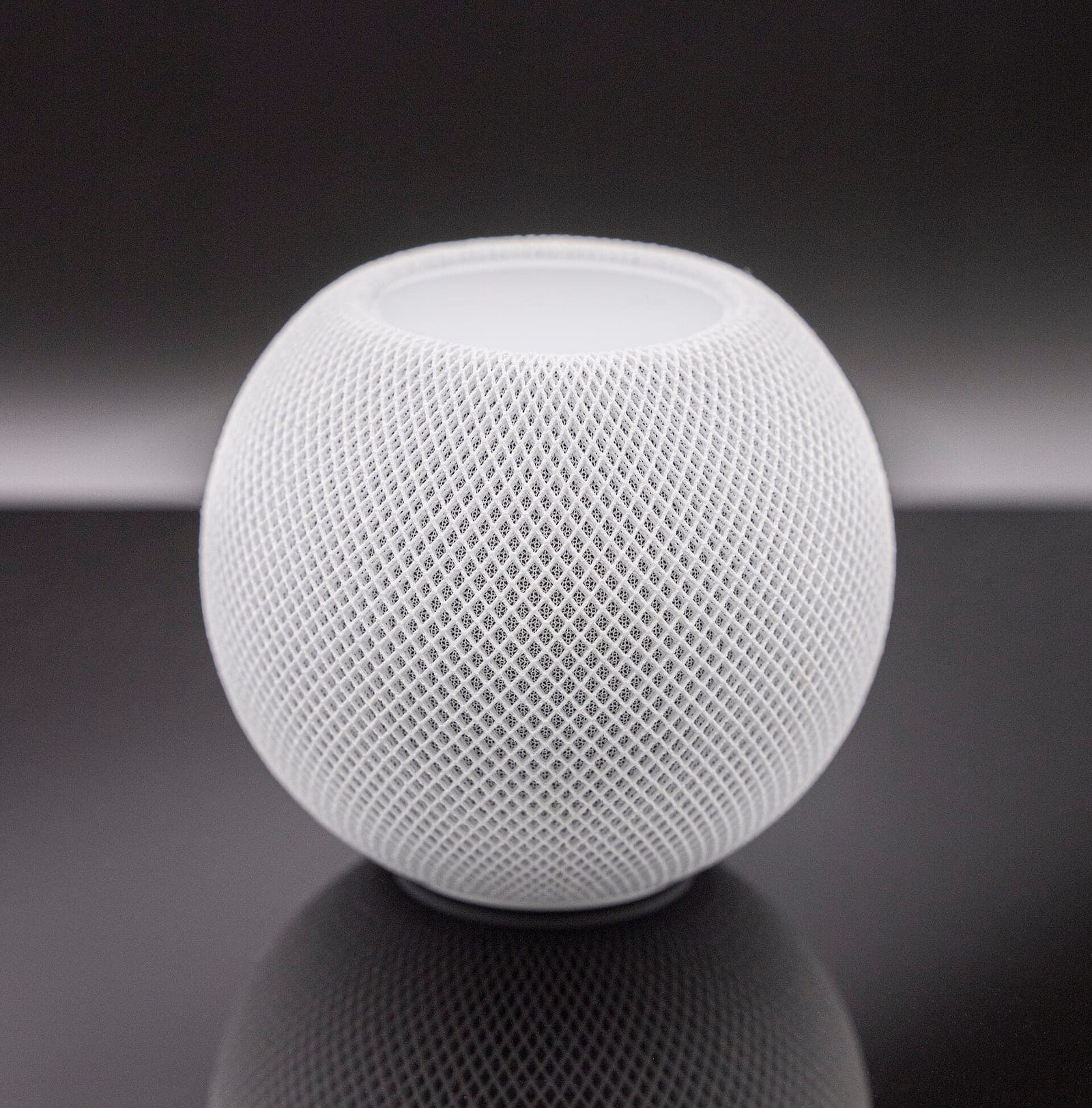
Apple's smart home hub reportedly launches October 13, with a camera that never records video
Bloomberg's Mark Gurman says Apple will announce its long-rumored smart home display on October 13. He also describes a companion home camera that sends text descriptions instead of video.
More in brief
- arXiv limits researchers to two papers a month as AI drives submissions to a recordOct 2
- California will fine robotaxi companies that block first responders for over 30 minutesOct 2
- Microsoft launches real-time transcription and new voice models for AI voice agentsOct 1
- Cloudflare releases Clef, open-weight AI models that make yes-or-no decisions fastOct 1
- GrayKey maker reportedly found a way around the iPhone's Inactivity RebootOct 1
- Fervo's Cape Station becomes the first enhanced geothermal plant to sell power commerciallyOct 1