
Technology·News & analysis
Azure flaw let attackers steal secrets, and Norway's energy firms felt it first
Microsoft says attackers could reach stored secrets in Azure API Management Classic before a fix on November 19. Norway links the flaw to attacks on energy companies.

Tide
Wave
Sci-fi
3/10
Reality
Shipping
A master key problem in the cloud's front desk.How we rate
Microsoft warned customers that attackers could reach secrets stored in Azure API Management Classic before it closed the hole on November 19, 2026.
Norway's security authority links the flaw to attacks on energy firms Equinor and Skagerak Energi, and says other countries and sectors were hit. The fix does not cancel credentials copied earlier. Customers must now rotate secrets and check their logs, while the full scale remains unknown.
What to know
- Microsoft found a flaw in Azure API Management Classic tiers on November 18, 2026, and applied a fix on November 19.
- Attackers could reach stored secrets such as client secrets and management tokens, and the fix does not cancel anything already copied.
- Norway's security authority links the flaw to attacks on energy firms Equinor and Skagerak Energi, and says other countries and sectors were hit too.
- Customers on Classic tiers should rotate every secret and tokens stored in the service and check their logs.
Microsoft has told customers that attackers could pull secrets out of a popular Azure service, and Norway's energy sector spotted it first. So what exactly leaked, and why is a fix not the end of the story?
First, what is Azure API Management?
An API is a doorway that lets one app or service talk to another. Companies use these doorways to connect their websites, phone apps and back-office systems.
Azure API Management is Microsoft's cloud service for running those doorways. It lets an organization publish, secure, monitor and manage its APIs in one place.
That makes it a busy front desk. It also holds keys, because many doorways need a password to open the service behind them.
In real life Picture a hotel front desk with a locked drawer of room keys. The hotel changes the lock on the drawer, but any key copied yesterday still opens the rooms.
What did Microsoft say went wrong?
Microsoft says it identified the problem on November 18, 2026, and applied a mitigation the next day. A mitigation is a fix that blocks the attack path without waiting for customers to do anything.
The flaw sits in the Classic tiers of Azure API Management. The newer v2 tiers are not affected.
Microsoft's advisory to customers carries the tracking ID MZK9-GH0. It says customers were exposed, and that an unauthorized party could have used the issue to reach secrets stored in Classic instances.
Microsoft also ties the exposure to certain setups. It says instances were at risk when they did not follow its network security guidance, or when they stored secrets directly in the service instead of pointing to Azure Key Vault, its dedicated safe for secrets.
What could attackers get?
The access path led to management features of the service. With it, an attacker could carry out administrative operations, including handling secrets.
The advisory lists what may have been exposed:
- Client secrets: passwords tied to identity providers and OpenID Connect providers, the systems that log users in.
- Management tokens: tokens used to call the direct management APIs.
- Named values: settings that often hold passwords or keys.
- Subscription keys: keys that apps use to call an API.
Why it matters: a stolen password is rarely the end. Security expert Anders Kristiansen wrote that if someone obtains a credential from this kind of setup, they may be able to use it directly against the service it protects, outside Azure API Management.
What an attacker can reach then depends on that credential's permissions and on whether it is still valid.
Why is the fix not enough?
This is the catch. Microsoft says its fix closes the unauthorized path to management features, and that it rotated keys and credentials that Microsoft controls.
But it does not automatically cancel customer credentials that may have been accessed before the fix. Those belong to the customer, so only the customer can replace them.
Microsoft's advice is plain:
- Rotate: replace every potentially exposed credential.
- Investigate: look at systems that those credentials can reach.
- Review logs: search for signs of unauthorized access.
Rotating a secret means making a new one and killing the old one, like changing a lock after losing a key.
How did Norway get involved?
Equinor, the Norwegian energy company, said on November 17 that it had detected an ongoing cyber-attack on certain IT systems. That was a day before Microsoft says it identified the flaw.
Equinor is one of Europe's large gas suppliers. It employs around 25,000 people, works in more than 20 countries, and the Norwegian state owns 67 percent of it.
On November 18, Equinor said it better understood how the attack was carried out. It said this was not a virus attack, so there was no risk of it spreading.
On November 19, it said the attack did not appear to be aimed specifically at Equinor. That fits with a flaw hitting many customers at once.
What does Norway's security authority say?
Norway's National Security Authority, known as NSM, published an advisory on the flaw. It says an unknown threat actor went after access tokens, secrets and named values stored in Azure API Management.
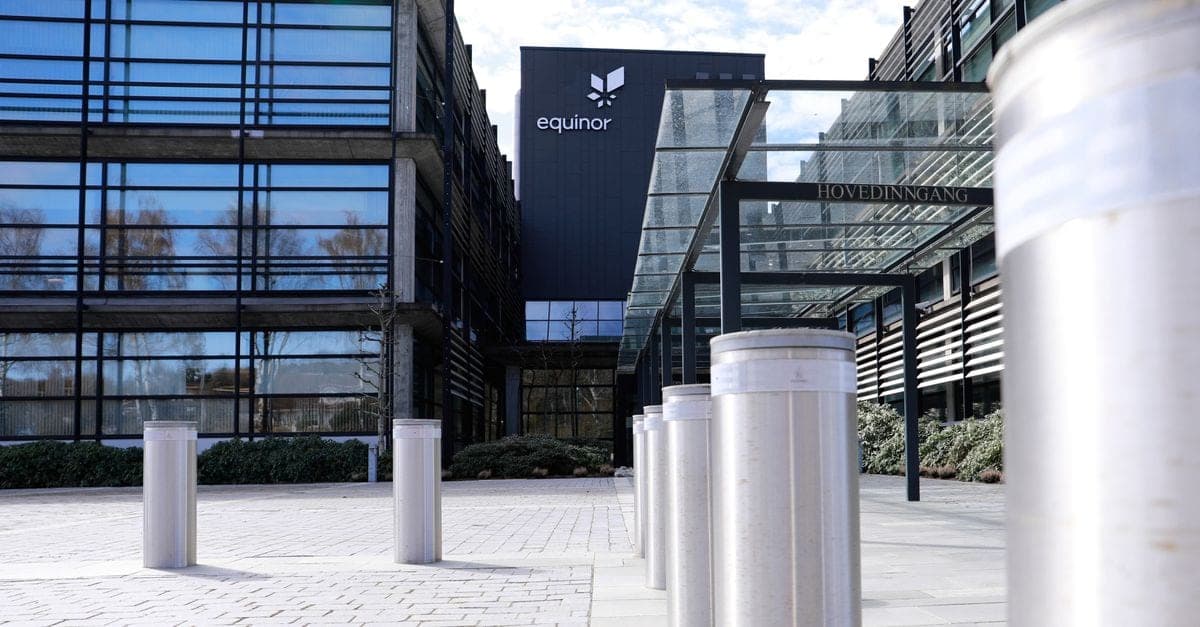
NSM credits Norway's energy sector with first detecting the problem last week. It names Equinor and the hydropower company Skagerak Energi among those affected, and praises Equinor for early detection and quick information sharing.
It also says the flaw reaches further than one country: "The vulnerability affects several sectors in Norway and also beyond Norway's borders."
Its advice goes further than Microsoft's wording. NSM tells organizations that use the service to assume their secrets and named values were exposed, and to rotate all tokens and secrets.
It also advises mapping which information each instance can reach, so a team can judge how bad a break-in could be. Finally, it says to check an instance's runtime version against the published patch thresholds, and to contact the provider if it is still unpatched.
What happened at the companies?
Equinor posted a final update on November 20 saying the attack had been stopped. Production ran as normal, and it said there was no indication that data had been stolen or altered.
It also said there was no sign of negative consequences for employees, partners or suppliers, and that it had reported the incident to the police.
Earlier, a company spokesperson said staff could have trouble reaching corporate applications and IT services. Skagerak Energi also reported an attempted attack, but said it had no impact on operations and no evidence that information was compromised.
What is still unknown?
A lot. Microsoft has not said how many customers were hit, and the extent of exploitation remains unclear.
One administrator wrote on Reddit that their company found the problem after someone logged into its key vaults with a valid administrator token, in a way that did not match normal use. The administrator alleged a previously unknown flaw in a deprecated legacy API, and said that API left no logs customers could use to spot the break-in.
The administrator also alleged that Microsoft first blamed leaked customer credentials. None of this has been independently verified.
NSM also warns that once a flaw becomes known, more attackers will try to use it, and that growing use of artificial intelligence raises the risk.
Customers who spoke about the incident also warned that forgotten development and test instances could leave more organizations exposed. Those are easy to overlook, since nobody checks them daily.
A pattern in the same week
This is not the only Microsoft security scare this month. Days earlier, attackers slipped a password stealer into two fake releases of a Microsoft AI toolkit, which we covered in our story on the agent-framework attack.
The two incidents are not linked in anything published so far. They do share a lesson: the secrets sitting in cloud tools are what attackers want, so those secrets need regular care.
Norway has also seen a run of attacks lately, from the retail software provider Front Systems to the aid agency Norad. Those are separate incidents, and none is tied to this flaw.
What it means for you
- If you run Azure API Management Classic: treat stored secrets as exposed, rotate them, and check logs for odd activity from before November 19.
- If you use v2 tiers: Microsoft says you are not affected, but check which tier each instance, including old test ones, actually uses.
- If you store secrets inside the service: move them to Azure Key Vault and follow Microsoft's network security guidance.
- If you are a regular customer: nothing to do yourself, but a company that holds your data may ask you to reset a password or key.
The bottom line
Microsoft closed the hole within a day of finding it, but the fix cannot call back secrets that were copied earlier. Only customers can swap those out.
For now, the safest move for any Classic customer is to rotate everything, read the logs, and watch for more details from Microsoft and Norway's security authority.
Key facts
- Affected service
- Azure API Management Classic tiers
- Not affected
- Azure API Management v2 tiers
- Found by Microsoft
- November 18, 2026
- Fix applied
- November 19, 2026
- Advisory ID
- MZK9-GH0
Got questions?
Quick answers, plain wordsWhat is the Azure API Management flaw?
It is a security hole in the Classic tiers of Azure API Management. Before Microsoft closed it, an unauthorized party could reach management features and read secrets stored in the service.
What is Azure API Management?
It is a cloud service that lets organizations publish, secure, monitor and manage their APIs. An API is a doorway that lets one app or service talk to another.
Which customers are affected?
Customers on the Classic tiers. Microsoft says the newer v2 tiers are not affected. It also ties exposure to setups that did not follow its network security guidance or that stored secrets directly in the service.
Has Microsoft fixed it?
Microsoft says it found the issue on November 18 and automatically applied a fix on November 19. The fix closes the access path, so no action is needed to receive it.
Why do I still need to act if it is fixed?
The fix does not cancel credentials that may have been copied earlier. Microsoft says customers must rotate potentially exposed credentials and look for suspicious activity.
What secrets could have been exposed?
Microsoft lists client secrets for identity providers and OpenID Connect providers, and tokens used to call management APIs. Other reports of the advisory add named values and subscription keys.
What do Equinor and Skagerak Energi have to do with it?
Norway's National Security Authority says the energy sector found the flaw first and names both firms among those affected. Equinor reported its attack on November 17 and says it was stopped by November 20.
Was Equinor's data stolen?
Equinor says there is no indication that data was stolen or altered, and production ran as normal. Skagerak Energi reported an attempted attack with no impact on operations.
Was this flaw used before Microsoft knew about it?
An administrator claimed on Reddit that attackers used a previously unknown flaw days earlier and that the old API left no logs. That claim has not been verified.
How many organizations were hit?
Nobody knows yet. Norway's authority says several sectors, in and outside Norway, are affected, and the extent of exploitation is still unclear.
SourcesEquinor
Topics and tagsMicrosoft, Cybersecurity, microsoft, azure
Related stories

Hackers slipped a password stealer into Microsoft Agent Framework
Two fake releases of Microsoft's agent-framework package were live on PyPI for about an hour on November 17. They stole cloud passwords every time Python started.

SignDrop, a new Windows zero-day, gives attackers full System rights
A researcher with a long feud against Microsoft published SignDrop, an unpatched Windows flaw that turns a normal account into the most powerful one on the PC.

A 256-character password can unlock some Linux servers
A decade-old bug between OpenSSH and the musl library lets attackers log in to Alpine Linux accounts that should block passwords. OpenSSH 10.6p2 fixes it.
More in brief
- NVIDIA board reinstates Jensen Huang as CEO after 11 daysNov 23
- Dutch privacy regulator tells shoppers not to buy AI camera glassesNov 23
- Amazon buys Decart's AI speed-up software and hires its foundersNov 23
- Meta's Muse can now shop Walmart's Black Friday deals for youNov 23
- X Square Robot launches WALL-OSS-1.0 with a planning harness and APINov 23
- Alecto raises $20M for an AI-native law firm that handles house movesNov 23