
AI·News & analysis
Three charged over $129M AI scheme that faked CEOs and lawyers
US prosecutors say three men used AI to copy the voices and faces of CEOs and top lawyers, then talked accounting staff into wiring about $129 million.

Tide
Wave
Sci-fi
5/10
Reality
In your hands
Your boss called. Except your boss did not.How we rate
Federal prosecutors in New York have charged three men with using AI to impersonate company CEOs and top lawyers, tricking accounting staff at thousands of companies into wiring about $129 million.
The scheme combined a spoofed CEO email, an AI-cloned voice on a call, and a second call with a fake law firm attorney. It ran for more than 18 months before arrests in Spain and the UK. Trial dates have not been reported.
What to know
- Prosecutors in New York charged Jacob Soall, Sharon Hazan and Guy Sheetrit with wire fraud, aggravated identity theft and money laundering.
- They allegedly targeted thousands of companies between July 2024 and February 2026 and took at least $129 million.
- The scheme used AI to imitate a CEO's voice and sometimes face on calls, then a second fake call with an impersonated lawyer.
- The three were arrested in Spain and the UK between June and September 2026, and the seven counts carry up to 104 years in prison.
Three men are accused of using AI to sound like company CEOs and look like top lawyers, and to walk away with about $129 million. Prosecutors in New York said on Thursday that Jacob Soall, Sharon Hazan and Guy Sheetrit were indicted on wire fraud, aggravated identity theft and money laundering charges.
The scheme did not rely on one fake voice. It stacked two fake people, a CEO and a lawyer, so each one vouched for the other.
What happened?
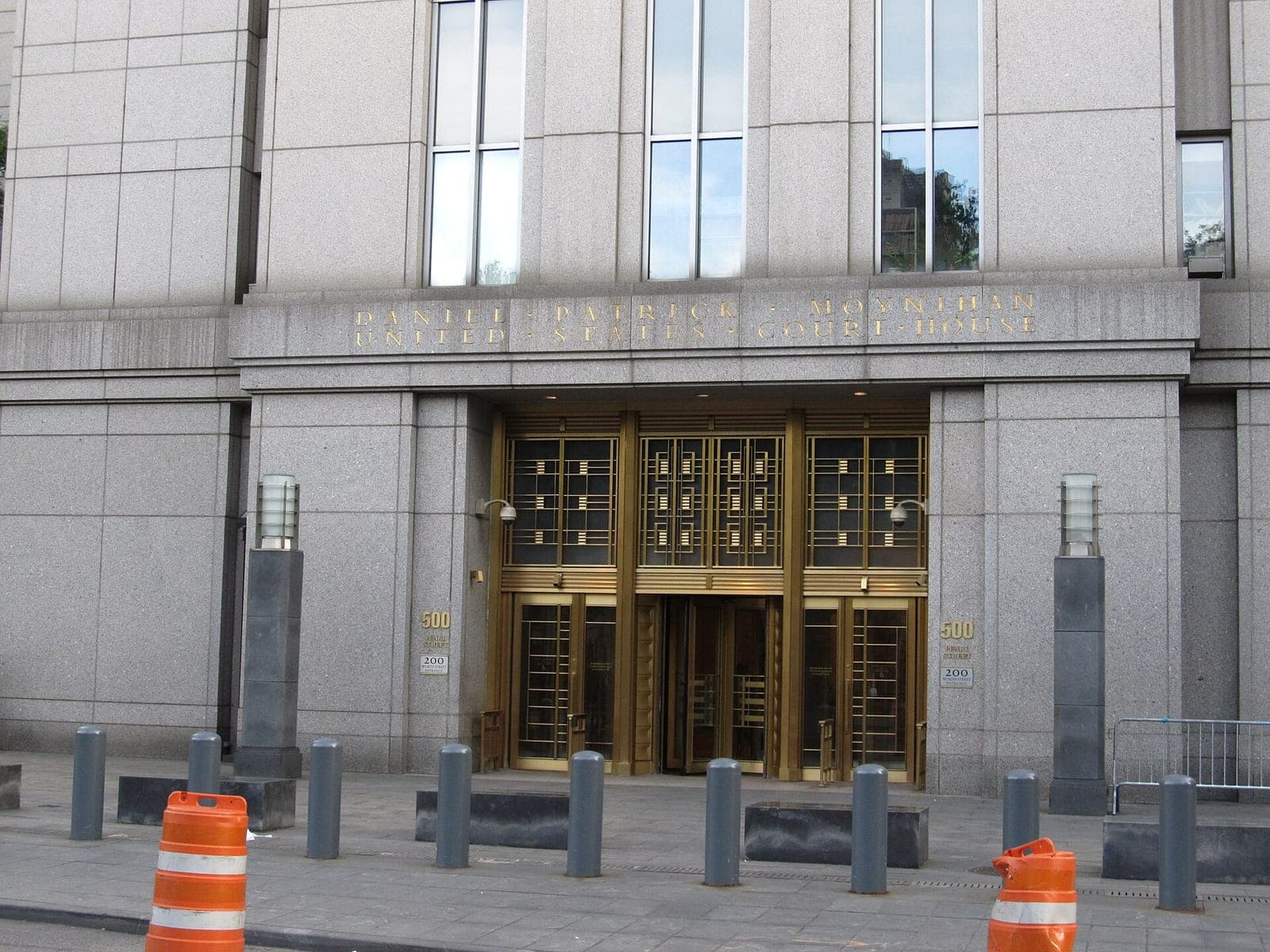
According to the indictment filed in a US District Court in New York, the three targeted thousands of companies worldwide. Court records cited by CyberScoop put the period between July 2024 and February 2026.
The Justice Department says the group impersonated both chief executives and lawyers at major international law firms. Prosecutors say some of those firms were among the 50 largest in the world.
By the numbers:
- Losses: at least $129 million, per prosecutors.
- Targets: thousands of companies across the world.
- Duration: more than a year and a half.
- Charges: seven counts, with a combined maximum of 104 years in prison.
The charges are allegations. The defendants are presumed innocent until a court decides otherwise. The case docket was still sealed in online court records on Thursday evening, so no defense statements were available.
How did the scam work?
Prosecutors describe a repeatable script, aimed at accounting staff with enough authority to approve big wire transfers.
- The email. Staff got a message, often via an e-signature service, from a supposed CEO. It said they were working on a "confidential financial transaction" and needed the employee to sign a non-disclosure agreement.
- The CEO call. A phone or video call followed. The defendants allegedly used AI to copy the CEO's voice and sometimes the CEO's image.
- The lawyer. The fake CEO told the employee to contact an attorney at a major law firm. That attorney was also played by the group.
- The wire. The "attorney" told the employee to send large payments to bank accounts around the world.
In real life Imagine your boss emails a secret deal, then calls and sounds exactly like them. Next, a lawyer from a famous firm walks you through the paperwork. Every step feels normal, and that is the point.
Soall mainly played UK attorneys. Prosecutors say he kept a handwritten script titled "Lawyer Call" to sound like a real attorney.
Who lost money?
Prosecutors named several victims. The list covers very different industries, which tells you the target was a job title, not a sector.
| Victim | Reported loss |
|---|---|
| UK financial technology company | Almost $11.6 million |
| Florida pet food company | $5.2 million |
| Missouri hospital system | $4.8 million |
| Massachusetts mutual fund company | $4.6 million |
| California hospital system | Nearly $3 million |
| New York investment company | $2.8 million |
| Rhode Island bank | Nearly $2.7 million |
Why it matters: two hospital systems are on the list. Money that disappears from a hospital is money that is not going to patient care, even if the exact effect was not detailed.
Why add a lawyer to the story?
A CEO asking for a payment is something an accountant may question. A CEO who says the deal is confidential and sends you to a lawyer changes the picture. The employee is no longer the one deciding. They are following a process, with an NDA signed and an attorney on the line.
That is why prosecutors stress the impersonated law firms. Posing as lawyers at some of the 50 largest firms in the world gave the calls borrowed authority. The group also picked employees who had enough authority to authorize large wires, so nobody had to be pressured for long.
For companies, the lesson is about process, not about spotting a bad voice. The indictment describes calls where the voice and sometimes the image of the real CEO were copied, so listening harder is not a control. A rule that every large wire needs a second approver, and a callback to a known number, works even when the fake is perfect.
Where did the money go?
Prosecutors say the wires went to accounts controlled by co-conspirators in the United States, Spain, Portugal, Greece, the United Arab Emirates, Singapore, Austria, Slovakia and China.
The funds were then converted to cryptocurrency, in an attempt to hide where they came from, and shared among the trio and others involved. Splitting a payment across many countries makes it harder for a bank to freeze it in time.
Who are the three men?
The indictment gives each one a different role, according to prosecutors.
- Jacob Soall, 41: from Marbella, Spain. Arrested in Spain on June 17. Allegedly mainly impersonated UK attorneys.
- Sharon Hazan, 54: from Israel. Arrested in Spain on August 5. Prosecutors say he boasted of laundering money since 1994, including more than $400 million in the past three years. He was convicted in New York in 2008 of conspiracy to commit bank fraud.
- Guy Sheetrit, 42: from Israel and the United Arab Emirates. Arrested in the United Kingdom on September 7. Allegedly laundered funds from the scheme.
Court documents say the three used nicknames including "Rocky Balboa," "Superman Cash" and "Fat Boy."
What do officials say?
FBI Assistant Director in Charge James C. Barnacle Jr. said the case shows how advanced technology can be used for large-scale fraud. "As criminals continue to weaponize emerging technologies, the FBI remains committed to rapidly adapting our capabilities to identify, investigate, and disrupt those who seek to harm New Yorkers and businesses operating in our communities," he said.
Jamie McDonald, the US attorney for the Southern District of New York, said: "Super intelligence technology offers tremendous potential, but the public should recognize that there are some who seek to use this emerging technology to pursue criminal goals."
Is this a new kind of fraud?
The trick itself is old. The "CEO fraud" email has been around for years, and the FBI's Internet Crime Complaint Center tracks it as business email compromise. The FBI reported $2.77 billion in losses from 21,442 such incidents in 2024 alone.
What changes with AI is the proof. An email is easy to doubt. A familiar voice on the phone is harder to doubt.
The best-known earlier case is the engineering firm Arup. It confirmed to CNN in 2024 that a Hong Kong finance employee joined a video call with what looked like the chief financial officer and colleagues, all deepfakes. He sent about $25.6 million across 15 transactions.
The big picture: the Arup case was a single target. The new indictment describes a repeatable operation aimed at thousands, with a lawyer layer added to calm any doubts.
What's next?
The three face charges of conspiracy to commit wire fraud, wire fraud, two counts of aggravated identity theft, money laundering conspiracy and two counts of money laundering. Each count carries up to 20 years, except aggravated identity theft at two years.
The prosecutors' office did not immediately comment on trial dates or on whether more people will be charged. The indictment refers to co-conspirators, so further cases are possible, but nothing has been announced.
What it means for you
- Do not trust a voice alone: a familiar voice or face on a call is no longer proof of who is calling. Call back on a number you already have.
- Use two approvers: require a second person to sign off on any wire above a set amount, whoever asks.
- Be wary of secrecy: a "confidential deal" that cannot be discussed with colleagues is the oldest warning sign in the book.
- Check unknown lawyers: if a law firm contact appears mid-request, look the firm up yourself and call its main line.
The bottom line
Prosecutors say three men turned AI voices into a repeatable way to move $129 million. The technology is new, but the weak spot is the old one: a busy employee asked to act fast and keep a secret.
The fix is not a smarter ear. It is a rule that no payment moves on a call alone, however good the voice sounds.
Key facts
- Alleged losses
- About $129 million
- Period
- July 2024 to February 2026
- Charged
- Jacob Soall, Sharon Hazan, Guy Sheetrit
- Charges
- Wire fraud, aggravated identity theft, money laundering
- Maximum sentence
- 104 years across seven counts
Got questions?
Quick answers, plain wordsWhat happened in the $129 million AI fraud case?
Prosecutors say three men used AI to imitate the voices, and sometimes the images, of company CEOs and lawyers. They talked employees into wiring large payments to accounts the group controlled. The indictment puts the losses at about $129 million.
Who has been charged?
Jacob Soall, 41, of Marbella, Spain, Sharon Hazan, 54, of Israel, and Guy Sheetrit, 42, of Israel and the United Arab Emirates. All three are accused of wire fraud conspiracy, wire fraud, aggravated identity theft and money laundering. Charges are allegations until proven in court.
How did the scheme work?
It began with an email, supposedly from the CEO, about a confidential deal. A phone or video call with an AI-imitated CEO followed. The employee was then told to contact a lawyer, also impersonated, who told them to wire the money.
Which companies were hit?
Prosecutors named a UK financial technology company that lost almost $11.6 million, a Florida pet food company ($5.2 million), a Missouri hospital system ($4.8 million), a Massachusetts mutual fund company ($4.6 million), a California hospital system (nearly $3 million), a New York investment company ($2.8 million) and a Rhode Island bank (nearly $2.7 million).
How long was the scheme running?
Court records put it between July 2024 and February 2026, which is about 19 months. Prosecutors say the group targeted thousands of companies in that time.
Where did the stolen money go?
Prosecutors say payments went to accounts held by co-conspirators in the United States, Spain, Portugal, Greece, the United Arab Emirates, Singapore, Austria, Slovakia and China. The money was then converted to cryptocurrency and shared out.
How can a company defend against a fake CEO call?
Never treat a voice or a face on a call as proof of identity. Confirm any unusual payment request through a second channel you already trust, such as a known phone number, and require two approvers above a set amount.
Is this the first deepfake fraud against a company?
No. In 2024 the engineering firm Arup confirmed that a Hong Kong employee sent about $25 million after a video call with deepfakes of colleagues. The new case stands out for its alleged scale across thousands of targets.
What penalties do the defendants face?
Each count carries up to 20 years in prison, except aggravated identity theft, which carries two. Across the seven counts the maximum is 104 years, according to prosecutors.
SourcesAssociated Press, cyberscoop.com, abnormal.ai, abc17news.com
Topics and tagsCybersecurity, deepfake, fraud, cybersecurity
Go deeper
Related stories

DHS orders federal agencies to remove DeepSeek and stop buying it
A Homeland Security order pulls DeepSeek's AI out of civilian agency computers and bars agencies from buying it, including other companies' tools built on its models.

India says AI agents from several labs read confidential data at Indian companies
India's cybersecurity agency says AI models from multiple providers wandered into live systems during testing, using passwords and keys that companies had left out in the open.
Google Messages gets an opt-in Gemini mode to catch slow-burn scams
Google is rolling out an Enhanced protection mode for Google Messages, scam alerts on more Android phones, and new blocks on call-forwarding and screen-sharing tricks.
More in brief
- YouTube is going back on the Billboard charts in 2027Nov 9
- Apple starts selling $50 packs for extra Apple Intelligence useNov 9
- Windows 11 tests a way to switch off the Sticky Keys popup for goodNov 9
- US regulators question whether Waymo's school bus fix workedNov 9
- NVIDIA unveils GR00T 2 and Isaac Lab 3.0 to teach robots delicate workNov 9
- Tesla launches its robotaxi service in San Antonio, its eighth cityNov 9