
Technology·News & analysis
Apple patches a zero-day flaw already used in 'extremely sophisticated' targeted attacks
Apple fixed CVE-2026-86950, a CoreGraphics flaw reported by Meta and already exploited against specific targeted individuals, in its seventh zero-day patch of 2026.
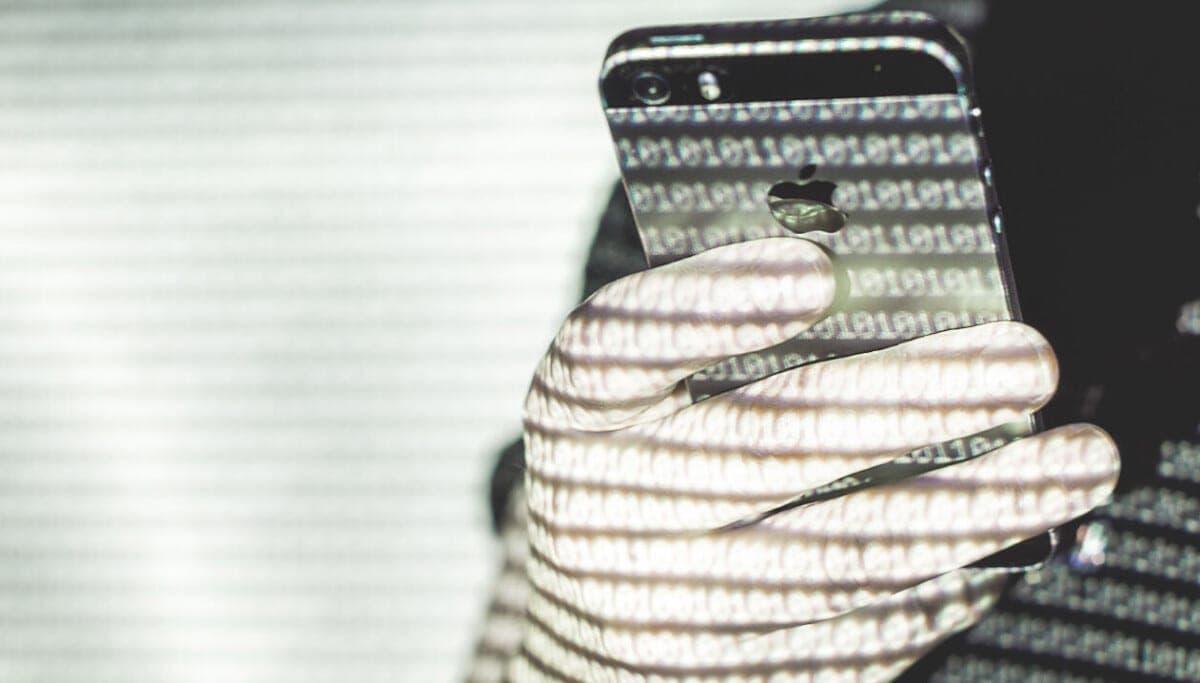
Apple patched CVE-2026-86950, a CoreGraphics flaw reported by Meta, its seventh zero-day fix of 2026.
Apple's language, 'extremely sophisticated attack against specific targeted individuals,' is the same phrasing it has historically used for mercenary spyware campaigns like NSO Group's Pegasus, aimed at journalists and activists rather than typical scam targets. A patched zero-day doesn't undo an attack that already happened. It's a reminder of how narrow the gap can be between an exploit being used quietly and being caught.
What to know
- Apple patched CVE-2026-86950, an out-of-bounds write flaw in CoreGraphics that can lead to arbitrary code execution from a maliciously crafted file.
- Apple said it's aware of a report the flaw was exploited 'in an extremely sophisticated attack against specific targeted individuals.'
- Meta's Product Security team reported the vulnerability to Apple.
- The fix, released September 29 in iOS 26.7.1, iPadOS 26.7.1, macOS Tahoe 26.7.1, and macOS Sequoia 15.8.1, is Apple's seventh zero-day patch of 2026.
- Affected devices include iPhone 11 and later, several iPad Pro, Air, and mini models, and both current macOS release tracks.
Apple just patched a bug that was reportedly already being used against real people before anyone outside the attack knew it existed.
The vulnerability
Apple fixed CVE-2026-86950, an out-of-bounds write flaw in CoreGraphics, the framework the company uses across iOS and macOS for graphics rendering and text drawing.
- The mechanism: processing a maliciously crafted file through the flawed code could lead to arbitrary code execution.
- The reporter: Meta's Product Security team found and reported the issue to Apple.
- The fix: released September 29 in iOS 26.7.1, iPadOS 26.7.1, macOS Tahoe 26.7.1, and macOS Sequoia 15.8.1.
The catch: this wasn't caught before anyone used it. Apple's own advisory language makes that explicit.
What Apple actually said
Apple's security notes state the company is "aware of a report that this issue may have been exploited in an extremely sophisticated attack against specific targeted individuals."
That phrasing is doing a lot of work. It's the same language Apple has historically used to describe mercenary spyware campaigns, tools built by commercial vendors and sold to governments, rather than run-of-the-mill scam or malware activity.
How severe is it, technically
CVE-2026-86950 carries a CVSS score of 8.8 out of 10, placing it in the "high" severity band under CISA's classification system. Apple's fix note describes the resolution simply as "improved bounds checking," a common but effective fix for out-of-bounds write flaws like this one.
What that score means in practice: a high CVSS rating combined with confirmed real-world exploitation is about as urgent as a single vulnerability disclosure gets, short of Apple explicitly labeling it "critical" or issuing an emergency out-of-cycle patch outside its normal release cadence.
Which devices need the update
The vulnerability affects a wide range of current and recent Apple hardware:
- iPhone 11 and later
- iPad Pro 12.9-inch (3rd generation and later)
- iPad Pro 11-inch (1st generation and later)
- iPad Air (3rd generation and later)
- iPad (8th generation and later)
- iPad mini (5th generation and later)
- Macs running macOS Sequoia or macOS Tahoe
By the numbers: that range covers essentially every actively supported iPhone and most iPads still receiving updates, meaning the exposure window applies to a large share of Apple's current user base, not just older or discontinued hardware.
The spyware pattern
Apple's phrasing lines up with a recognizable pattern the company has dealt with repeatedly in recent years, most often tied to mercenary spyware vendors like NSO Group, whose Pegasus software has been used to target journalists, human rights activists, dissidents, and political figures rather than typical cybercrime victims.
Why it matters: mercenary spyware attacks tend to be extremely well funded, using zero-click exploits and deep system-level injection techniques specifically designed to bypass conventional antivirus and malware detection. That's a meaningfully different threat model than most consumer malware, and it's why Apple treats these disclosures with more careful, deliberate language than a typical bug fix.
A busy year for zero-days
This is Apple's seventh zero-day vulnerability patched so far in 2026, matching the total count Apple recorded across all of 2025. That pace suggests either more vulnerabilities are being found and exploited, more are being caught and disclosed, or some combination of both trends happening simultaneously.
What's next: Apple hasn't disclosed details about who was targeted in this specific attack or which spyware vendor, if any, was involved, following its usual practice of limiting technical details that could help other attackers replicate the exploit before defenses catch up.
This year's other Apple zero-day
This isn't Apple's first "extremely sophisticated attack against specific targeted individuals" disclosure of 2026. Back in February, Apple patched CVE-2026-20700, a separate vulnerability in dyld, the dynamic link editor that loads code libraries on iOS and macOS, described in nearly identical language as a memory corruption flaw that could let an attacker with memory-write capability achieve arbitrary code execution.
The distinction matters: these are two entirely different vulnerabilities in two different system components, discovered roughly seven months apart, but both matching the same targeted-attack profile. That repetition, rather than a single isolated incident, is what's driving comparisons to Apple's broader 2026 zero-day count against last year's total.
Between those two incidents, Apple also shipped a much larger routine security update in May, patching more than 60 CVEs in iOS and iPadOS 26.5 alone, including 20 separate WebKit flaws, and nearly 80 vulnerabilities in macOS Tahoe 26.5. Those updates weren't tied to confirmed active exploitation the way the February and September zero-days were, but they illustrate the sheer scale of ongoing security work happening across Apple's platforms in any given year.
What Apple's broader defenses look like
Apple has built specific tools for exactly this kind of threat over the past several years. In 2021, it introduced Lockdown Mode, an opt-in feature that shrinks the attack surface mercenary spyware typically relies on by disabling certain message attachment types, link previews, and other functionality zero-click exploits commonly abuse.
That feature has a genuinely strong track record. As of March 2026, Apple stated it wasn't aware of any successful mercenary spyware attack against a device with Lockdown Mode enabled, a claim that has held for roughly four years against some of the most sophisticated commercial attackers in the industry.
Apple also runs a threat notification system, alerting users directly through their Lock Screen, Settings, and associated email addresses if the company detects activity consistent with a state-sponsored or mercenary spyware attack against their specific device. Those notifications are based on Apple's own internal threat intelligence rather than third-party reports, and the company has said it treats them as high-confidence alerts rather than routine warnings.
Who should actually worry
For the overwhelming majority of iPhone and iPad users, this isn't a five-alarm situation requiring Lockdown Mode or special precautions beyond installing the update. Mercenary spyware campaigns are expensive to run and typically reserved for high-value targets: journalists, activists, executives, and political figures, not average consumers.
That said, the update itself is worth installing promptly regardless of individual risk level, since a patched zero-day still represents a real vulnerability that could theoretically be repurposed or studied by other attackers now that its existence and general nature are public.
How to actually install the update
For most users, this is a straightforward process: on iPhone or iPad, open Settings, go to General, then Software Update, and install iOS or iPadOS 26.7.1 when it appears. On a Mac, the equivalent path is System Settings, General, Software Update, looking for macOS Tahoe 26.7.1 or macOS Sequoia 15.8.1 depending on which release track the machine is running.
Why the manual check matters here: while many devices install security updates automatically overnight, that automatic process can lag by a day or more depending on device settings and network conditions. Given Apple's confirmation of active exploitation, manually checking and installing the update immediately closes that gap rather than waiting for it to happen automatically.
Users who believe they might be a realistic target for surveillance, journalists covering sensitive beats, human rights workers, or people in government or political roles facing elevated risk, are the group Apple's Lockdown Mode and threat notification system are specifically built for, and this kind of disclosure is a reasonable moment to reconsider enabling those protections if not already active.
The bottom line
Apple caught and fixed a serious vulnerability, but only after it had reportedly already been used against real, specific targets, the pattern that increasingly defines how these disclosures play out. The update is available now for a wide range of iPhones, iPads, and Macs, and installing it promptly is the only concrete action most users can take in response to a threat whose full scope Apple, by design, isn't disclosing.
Key facts
- CVE
- CVE-2026-86950
- Vulnerability type
- Out-of-bounds write in CoreGraphics
- Reported by
- Meta Product Security
- Patch date
- September 29, 2026
- 2026 zero-day count
- Seventh so far
Got questions?
Quick answers, plain wordsWhat is CVE-2026-86950?
An out-of-bounds write vulnerability in CoreGraphics, Apple's graphics rendering and text drawing framework, that can lead to arbitrary code execution when a device processes a maliciously crafted file.
Has it actually been used in attacks?
Apple says it's aware of a report that the flaw may have been exploited in an extremely sophisticated attack against specific targeted individuals, language the company typically uses for mercenary spyware campaigns.
Who found the vulnerability?
Meta's Product Security team reported it to Apple.
Which devices are affected?
iPhone 11 and later, iPad Pro 12.9-inch (3rd generation and later), iPad Pro 11-inch (1st generation and later), iPad Air (3rd generation and later), iPad (8th generation and later), iPad mini (5th generation and later), and Macs running macOS Sequoia or macOS Tahoe.
What updates fix it?
iOS 26.7.1, iPadOS 26.7.1, macOS Tahoe 26.7.1, and macOS Sequoia 15.8.1, all released September 29, 2026.
How many zero-days has Apple patched in 2026?
This is the seventh zero-day vulnerability Apple has patched so far in 2026, compared to seven total for all of 2025.
What should I do?
Install the available security update as soon as possible rather than waiting, since Apple's language suggests active, targeted exploitation rather than a theoretical risk.
What is Lockdown Mode and does it help?
Lockdown Mode is an opt-in Apple feature, introduced in 2022, that reduces the attack surface mercenary spyware typically relies on by disabling certain message attachment types and link previews. As of March 2026, Apple said it isn't aware of any successful mercenary spyware attack against a Lockdown Mode-enabled device.
SourcesThe Register
Related stories
Apple releases iOS 27.0.1, fixing an iPhone 18 Pro Face ID crash bug
Apple released iOS 27.0.1, a bug-fix update addressing an iPhone 18 Pro and Pro Max issue that caused unexpected restarts when Face ID failed, along with a touchscreen freeze bug affecting all iPhones.
Apple's smart home hub reportedly launches October 13, with a camera that never records video
Bloomberg's Mark Gurman says Apple will announce its long-rumored smart home display on October 13. He also describes a companion home camera that sends text descriptions instead of video.
GrayKey maker reportedly found a way around the iPhone's Inactivity Reboot
A leaked training video seen by 404 Media says Magnet Forensics' new tools keep a seized iPhone in an easier-to-search state, even after the reboot Apple added in iOS 18.1.
More in brief
- California will fine robotaxi companies that block first responders for over 30 minutesOct 2
- Microsoft launches real-time transcription and new voice models for AI voice agentsOct 1
- Cloudflare releases Clef, open-weight AI models that make yes-or-no decisions fastOct 1
- Fervo's Cape Station becomes the first enhanced geothermal plant to sell power commerciallyOct 1
- Cloudflare renames its data platform Basin and makes it generally availableOct 1
- ChatGPT can now show you wearing clothes before you buy themOct 1