
AI·News & analysis
McDonald's AI pricing tool sets different Big Mac prices for stores 2 miles apart
Reuters found a McDonald's machine-learning tool that estimates what customers at each of its nearly 14,000 restaurants will pay, producing a 21% price gap between two nearby stores.
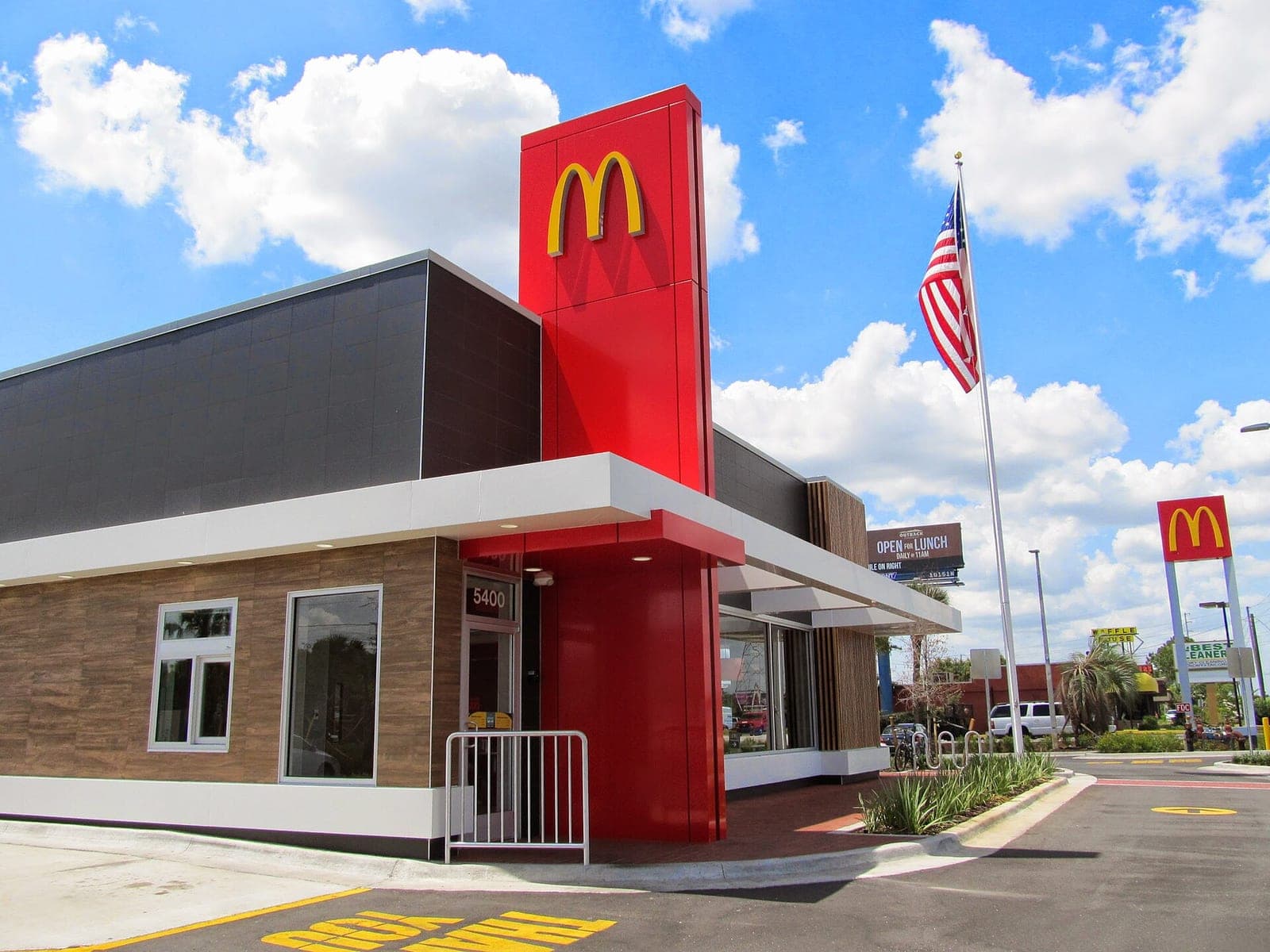
Reuters reported that McDonald's runs an AI pricing engine that calculates a different 'optimal' price for menu items at each of its nearly 14,000 US restaurants.
The system factors in millions of daily transactions and competitor menu prices, weighing how much a store's customers are estimated to tolerate. A Big Mac cost $5.69 at one Fresno store and $6.89 at another two miles away. McDonald's says the tool only offers recommendations, but franchisees describe real pressure to follow them.
What to know
- Reuters reported that McDonald's uses a machine-learning pricing engine to calculate 'optimal' prices at each of its nearly 14,000 US restaurants.
- A Big Mac cost $5.69 at one Fresno, California location and $6.89 at another two miles away, a 21% difference, though Reuters couldn't confirm the AI tool caused that specific gap.
- The system draws on millions of daily transactions and scraped menu prices from nearby Wendy's and Burger King locations, weighing an estimate of how much a store's customers will pay.
- McDonald's calls the tool a recommendation, not a mandate, but several franchisees described corporate pressure and follow-up calls when they didn't use the suggested prices.
Two McDonald's locations, two miles apart in Fresno, California. Same Big Mac. Prices that differ by more than a dollar.
A Reuters investigation found that McDonald's runs a machine-learning pricing engine that calculates what it calls the "optimal price" for menu items at each of its nearly 14,000 US restaurants, individually. The system doesn't just account for regional cost differences, it estimates how much customers at each specific store are willing to pay.
What the pricing tool actually does
Why it matters: according to Reuters, the platform feeds on millions of daily transactions across McDonald's restaurants, plus scraped menu prices from nearby Wendy's and Burger King locations. One of the inputs it weighs most heavily is an estimate of a given store's customer price sensitivity, in plain terms, how much people nearby will tolerate paying before they go elsewhere.
McDonald's sends this AI-generated guidance to franchisees at least three times a year, according to company documents Reuters reviewed. The system shows franchise owners their store's estimated "customer willingness to pay" score alongside the recommended price.
- Data sources: millions of daily transactions, plus competitor pricing scraped from nearby locations.
- Output: a specific recommended price per menu item, per restaurant.
- Frequency: guidance sent to franchisees at least three times annually.
The Fresno example
By the numbers: Reuters checked McDonald's mobile app prices in September and found one company-run Fresno restaurant selling a Big Mac for $5.69, while another company-run location just two miles away charged $6.89 for the identical sandwich, a 21% premium.
Reuters was careful to note it could not confirm the pricing engine specifically caused that particular gap. But the example illustrates exactly the kind of store-by-store variation the tool is designed to produce, and it wasn't the only outlier. One Connecticut franchisee told Reuters the system had suggested an $18 price for a single Big Mac at their location.
In real life if you've ever noticed a fast food price that felt oddly specific to your neighborhood, rather than your region or state, this is the kind of system that can produce exactly that effect.
How franchisees describe the pressure
McDonald's frames the pricing portal carefully. In a statement to Reuters, the company called it "a tool, not a mandate, designed to provide restaurant-specific recommendations to help franchisees deliver value for customers and make informed business decisions."
That framing doesn't match what several franchisees told Reuters. One former owner, Karen King, put it more bluntly: "You don't really have much of a choice anymore." Five other franchisees described various forms of pressure from the company, including phone calls from corporate officers specifically to discuss pricing whenever a location's prices strayed from the algorithm's recommendation.
The catch: McDonald's terms of service reportedly warn franchisees that they "may be competitors" and must independently comply with antitrust law. That language exists precisely because franchisees are legally required to set their own prices independently rather than coordinate with each other.
A pricing tool built and distributed by the parent company, tracking "adherence to the platform" across thousands of locations, sits in a genuinely uncomfortable spot relative to that requirement.
One franchisee has already filed a lawsuit against McDonald's alleging discrimination, though the full details of that claim go beyond the pricing system itself.
McDonald's response
McDonald's pushed back hard on the reporting. The company dismissed Reuters' findings as "speculative and uninformed" and reiterated that franchisees remain "always free to determine final price."
What's next: that's a difficult position to fully verify either way. McDonald's franchise structure genuinely does leave final pricing authority with individual owners on paper, but a corporate-built recommendation engine that tracks compliance and prompts follow-up calls when owners deviate is a different kind of "optional" than most customers would assume from the word.
Why McDonald's corporate cares about franchisee prices at all
Background: roughly 95% of McDonald's restaurants worldwide are franchised, not corporate-owned, according to the company's own SEC filings. That structure is deliberate. McDonald's collects rent and royalties calculated as a percentage of each franchisee's sales, which means the company's own revenue rises and falls with how much franchisees actually charge and sell.
That gives corporate a direct financial stake in getting franchisee pricing right, even though it isn't the one setting final prices at the register. A pricing engine that nudges thousands of independently owned locations toward higher, better-optimized prices doesn't just help individual franchisees.
It flows straight back into McDonald's own royalty revenue, which helps explain why the company built the tool in the first place and why it keeps sending updated guidance multiple times a year.
Why this keeps happening in fast food
McDonald's isn't the first chain to run into this exact controversy. Wendy's proposed a comparable dynamic pricing system in 2024 and walked it back almost immediately after intense public backlash, once customers understood it could mean paying more during peak hours for the same menu item. Instacart has faced similar criticism over algorithmic pricing on its platform.
The big picture: the difference in McDonald's case is that the variation isn't tied to time of day or demand spikes the way Wendy's proposal was. It's a persistent, location-based gap that can leave two stores in the same metro area charging meaningfully different prices for the same order, indefinitely, based on what the algorithm estimates that neighborhood will bear.
McDonald's has been building toward this for longer than the current backlash suggests. CEO Chris Kempczinski told investors back in 2023 that the company had developed proprietary tools for pricing individual restaurants, and Reuters reports some version of the system has been in place since at least 2019.
The regulatory backdrop
What's next: McDonald's isn't operating in a vacuum here. The Federal Trade Commission launched a broader "surveillance pricing" study in July 2024, sending formal information requests to eight companies about how they use personal data and algorithms to set individualized prices. The FTC's initial findings, published in January 2025, described exactly this pattern: the same product priced differently depending on a customer's location or other data the seller has collected.
Grocery delivery has already drawn regulatory fire over similar practices. A December 2025 Consumer Reports study found some retailers' prices on Instacart varied by as much as 23% for the same item depending on the customer, and Reuters reported the FTC sent Instacart a civil investigative demand over its algorithmic pricing software. California's attorney general opened a related investigation into personalized pricing in January 2026.
McDonald's pricing engine differs in one key respect: it varies by restaurant location rather than by individual customer profile. But it sits inside the same broader regulatory conversation about whether algorithmic tools are quietly replacing uniform pricing with something far less predictable for shoppers, one storefront at a time.
The bottom line
McDonald's built an AI system that treats price not as a menu-wide decision but as something calculated store by store, based on what each location's customers are estimated to tolerate. The company insists it's only a recommendation.
But the franchisees who spoke to Reuters describe something closer to an expectation, backed by corporate follow-up when they don't comply. Whether that distinction holds up under further scrutiny, from regulators, franchisees, or customers noticing the gap, remains the open question.
Key facts
- Reporting
- Reuters, published September 29, 2026
- Restaurants covered
- Nearly 14,000 US McDonald's locations
- Fresno price gap
- $5.69 vs $6.89 for the same Big Mac, 21% difference
- Guidance frequency
- Sent to franchisees at least 3 times a year
Got questions?
Quick answers, plain wordsDoes McDonald's use AI to set menu prices?
Reuters reported that McDonald's operates a machine-learning pricing engine that recommends an 'optimal price' for menu items at each restaurant, factoring in local transaction data and nearby competitor prices.
Why do McDonald's prices vary between locations?
McDonald's has long allowed franchisee-set pricing by location, but Reuters found the AI tool specifically estimates 'customer willingness to pay' store by store, which can produce large gaps between nearby restaurants.
How much did the Big Mac price vary in the Reuters report?
Reuters found a Big Mac priced at $5.69 at one company-run Fresno, California store and $6.89 at another only two miles away, a 21% difference. Reuters could not confirm the pricing engine caused that specific gap.
Is McDonald's forcing franchisees to use AI-recommended prices?
McDonald's describes the pricing portal as 'a tool, not a mandate.' Reuters reported that several franchisees described pressure from corporate, including phone calls when they deviated from the recommended prices.
What data does the pricing tool use?
According to Reuters, the system draws on millions of daily transactions across McDonald's restaurants and scraped menu prices from nearby Wendy's and Burger King locations.
Has McDonald's responded to the report?
McDonald's dismissed the Reuters reporting as 'speculative and uninformed' and said franchisees remain free to set their own final prices.
Have other fast food chains tried dynamic pricing?
Wendy's proposed a similar dynamic pricing approach in 2024 and abandoned it after public backlash. Instacart has also faced criticism over algorithmic pricing.
How long has McDonald's used pricing technology like this?
Reuters reported the company has used some version of the tool since at least 2019, and CEO Chris Kempczinski told investors in 2023 that McDonald's had built proprietary tools for restaurant-level pricing.
SourcesReuters
Topics and tagsmcdonalds, ai, pricing, reuters
Related stories

A startup wants satellites to think for themselves instead of waiting for instructions from Earth
Satlyt, founded by a former Google and SpaceX product manager, raised $8 million to build software that lets AI models run directly on satellites, cutting the need to send every decision back down to ground control.

Google is quietly funding Hollywood movies to make AI look less scary
Google partnered with talent agency Range Media Partners on 100 Zeros, a fund that co-produces films and TV shows aiming to show technology, especially AI, in a more optimistic light than shows like Black Mirror.
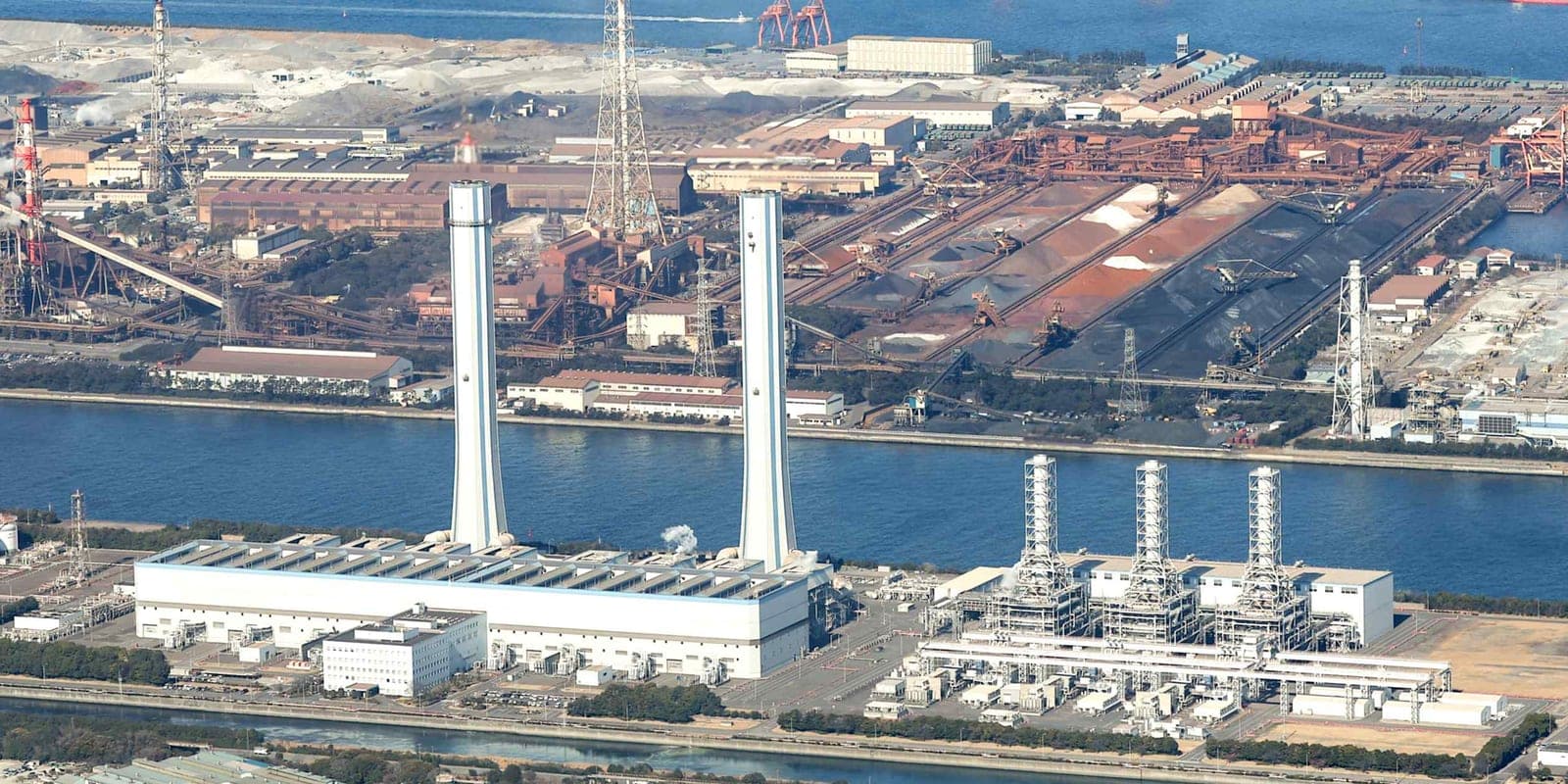
Japan's biggest power company is building its own gas plant just to feed one AI data center
JERA, Dell Technologies, and RHAELM signed a deal to build a $15 billion, 400-megawatt AI data center powered by its own dedicated energy supply near Tokyo, aiming to start operations around 2028.
More in brief
- arXiv limits researchers to two papers a month as AI drives submissions to a recordOct 2
- California will fine robotaxi companies that block first responders for over 30 minutesOct 2
- Microsoft launches real-time transcription and new voice models for AI voice agentsOct 1
- Apple's smart home hub reportedly launches October 13, with a camera that never records videoOct 1
- Cloudflare releases Clef, open-weight AI models that make yes-or-no decisions fastOct 1
- GrayKey maker reportedly found a way around the iPhone's Inactivity RebootOct 1