
Technology·News & analysis
New York congressman wants the games you buy to be yours, not a license
Rep. Ritchie Torres says he will introduce the Power To The Players Act, which would have the FTC make game purchases real ownership and require an offline mode before servers shut down.
Tide
Wave
Sci-fi
2/10
Reality
In your hands
A bill that wants your game library to outlive its servers.How we rate
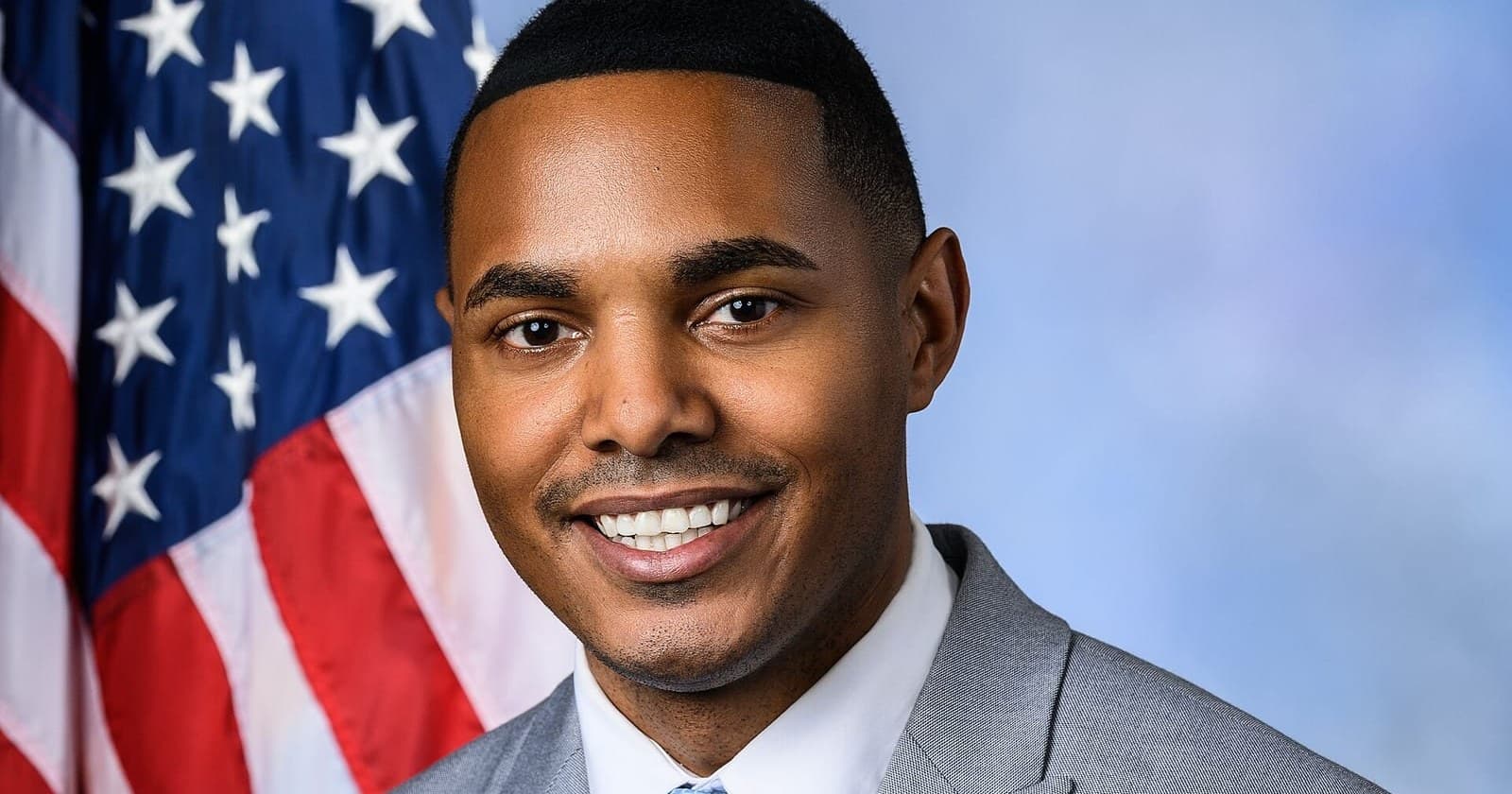
Rep.
Ritchie Torres of New York announced the Power To The Players Act, which would direct the FTC to make buying a video game real ownership instead of a revocable license. Games with online features would also need an offline mode before their servers shut down, and buyers could resell what they bought. It is the first federal attempt in the US to settle who owns a game. The bill still has to be formally introduced, and most bills never reach a vote.
What to know
- Rep. Ritchie Torres (D-NY) announced on October 15 that he will introduce the Power To The Players Act, which directs the FTC to write rules on game ownership.
- Buying a game would give you ownership instead of a revocable license, and games with online features would need an offline mode before their servers shut down.
- Torres points to NBA 2K25, which leaves digital stores on October 30 and loses its online servers on December 31, about two years after launch.
- The bill has not been formally introduced yet, its full text is not public, and most proposed bills never reach a vote.
Rep. Ritchie Torres announced on October 15 that he will introduce a bill to make the video games you buy actually yours. Now the interesting question: if you paid $70 for a game, what exactly did you buy?
What would the bill actually do?
The Power To The Players Act would direct the Federal Trade Commission to write rules for game sales. Torres, a Democrat who represents New York's 15th district in the Bronx, lists three goals in his announcement:
- Ownership: buying a game gives you ownership of it, not a license to play it that can be revoked.
- An offline mode: games with online features must offer a way to play offline before their servers are shut down.
- Resale: buyers keep the ability to transfer or resell the games they bought.
He sums it up in his statement: "When you pay for a game, you should own it. Consumers must have the right to own, the right to play, and the right to transfer the games they buy."
"A game that can be taken away the moment a company pulls the plug is not a purchase. It is a rental disguised as a sale," Torres said.
In a phone interview with Kotaku, he put it even shorter: "I think there should be a simple rule: if you pay for it, you own it." He called the idea a "restoration to the historical norm" of the cartridge and disc era, according to Ars Technica.
Wait, I don't own my games now?
Legally, often not. When you click "buy" on a digital store, the fine print usually grants you a license: permission to use the game under the publisher's terms. A license can end.
That is true even for many discs. Ars Technica notes that end-user license agreements usually describe a revocable license, even when the files sit on a disc in your hand. And plenty of disc games still need online servers to work.
It is a bit like buying a ticket to a concert that can end whenever the band gets tired. You paid, you enjoyed it, and then the lights come on.
The big picture: digital is now the main way people buy games. Sony said in its latest earnings report that digital downloads made up 82% of full-game unit sales across PS4 and PS5, Ars Technica reports. Sony has also announced plans to stop releasing PlayStation games on physical discs, which has upset some players. We covered the Xbox Disc to Digital program, another sign of the same shift.
Why is NBA 2K25 the example?
Because it is happening right now. Torres names it in his announcement, and the dates are close:
- September 6, 2024: NBA 2K25 launches on PC, PS4, PS5, Xbox One, Xbox Series X/S and Nintendo Switch, GamingBolt reports.
- Price: $69.99 for the standard edition, $99.99 for the All-Star Edition, according to Torres' announcement.
- October 30, 2026: the game leaves all digital stores.
- December 31, 2026: 2K shuts down its online servers.
From January 1, 2027, MyCareer, MyTeam, online multiplayer, Online Leagues and community sharing stop working, and you can no longer earn Virtual Currency, GamingBolt reports. Offline modes such as Play Now, MyNBA, The W and MyWNBA stay playable for people who already own it.
Why it matters: TechSpot notes that NBA 2K25 was one of the best-selling games in the US in 2024, and that the online modes are what many players bought it for. 2K already released NBA 2K27 on September 4, so retiring older versions is a familiar yearly pattern.
In real life If you play NBA 2K25 mostly in MyCareer or MyTeam, those modes end with 2026. If you mostly play quick games against the computer in Play Now, you keep that. Under Torres' bill, publishers would have to plan an offline way to play before the shutdown.
Where did this fight start?
A lot of it traces back to one racing game. In 2024, Ubisoft shut down the servers of The Crew, an online-only game, which left it unplayable even for people who had bought it recently. Tom's Hardware notes that even its single-player campaign needed Ubisoft's servers. TechSpot puts the number of copies affected at 12 million.
That shutdown inspired Stop Killing Games, a campaign started by YouTuber Ross Scott. It asks publishers to keep games playable after support ends, for example through an offline mode or community-run servers.
Here is how the effort has gone so far, according to TechSpot:
- Europe: a citizens' initiative collected more than 1.2 million signatures. In June, the European Commission declined to propose a law and offered to broker a voluntary code of conduct with publishers instead.
- California: the Protect Our Games Act (AB 1921) stalled in a state Senate committee, three votes short. It would have required 60 days' notice before a shutdown plus an offline mode, community servers or a full refund. The Entertainment Software Association, the industry's trade group, lobbied against it and called the requirements "unworkable."
- Pennsylvania: state senator John Kane has also introduced a bill called the Protect Our Games Act, with an offline mode, community servers or a 25% minimum refund, Tom's Hardware reports.
There are also examples of publishers keeping old games alive. TechSpot points out that Microsoft let people keep downloading and playing Forza Horizon 4 after delisting it, and Ubisoft later added an offline mode to The Crew 2.
How is this bill different?
The earlier state bills mostly accepted the license model and focused on what happens at a game's end of life. TechSpot notes that Torres' bill goes after the license model itself.
The catch: the right to transfer points toward a resale market for digital games, something no major digital store offers today. US courts have generally held that software sold under a license is not covered by the first-sale doctrine, the rule that lets you sell a used disc, TechSpot reports.
Ars Technica also notes a design choice. Some earlier proposals asked companies to keep servers running forever, which critics said ignored the cost. Torres' announcement does not ask for that. It asks for an offline mode instead.
If the bill works as announced, a game that loses its servers would still have to leave you something you can play.
What could stop it?
Quite a few things, and the sources are clear about them:
- It is not filed yet: the bill has been announced but not formally introduced, and its full text is not public, Ars Technica and Engadget report.
- Congress is slow: most proposed bills never reach a floor vote.
- Engineering: Ars Technica notes that some online games are built in ways that may make an offline mode hard, which could push developers to design them differently.
- The courts: Engadget points out that after the Supreme Court overturned the Chevron doctrine in 2024, agencies like the FTC have less room to set rules. A single judge blocked the FTC's ban on noncompete agreements the same way.
- The definitions: Tom's Hardware notes the bill will need to define exactly what ownership means and what rights owners get over their copy.
What's next: Engadget says it asked Torres for a draft of the bill. Until the text is out, nobody can say how strong or how enforceable the rules would be.
What it means for you
- Nothing changes yet: your current games, licenses and store terms stay the same until a law passes and the FTC writes rules.
- Check before you buy: for online-heavy games, look at which modes work offline. That is what survives a server shutdown.
- NBA 2K25 players: the game leaves digital stores on October 30, and online modes end on December 31. If you already own it, you can still download it and play the offline modes after that.
- Watch for the text: the details of ownership and resale will decide whether this bill changes anything for digital libraries.
The bottom line
Torres wants a simple rule for games: if you pay for it, you own it, and it keeps working after the servers go dark. The idea has real momentum after The Crew and NBA 2K25, but it is still an announcement, not a law. The full text, the vote count and the courts will decide how far it gets.
Key facts
- Bill
- Power To The Players Act
- Sponsor
- Rep. Ritchie Torres (D-NY), New York's 15th district
- Announced
- October 15, 2026
- Agency in charge
- Federal Trade Commission (FTC)
- Example game
- NBA 2K25: delisted October 30, servers off December 31
Got questions?
Quick answers, plain wordsWhat is the Power To The Players Act?
It is a federal bill announced by Rep. Ritchie Torres of New York on October 15, 2026. It would direct the Federal Trade Commission to write rules so that buying a video game gives you ownership of it, not a license that can be taken away.
Is the Power To The Players Act a law yet?
No. Torres has announced it, but it has not been formally introduced in Congress. It would still need committee review and votes in both the House and the Senate, and most proposed bills never reach a floor vote.
What would the bill require from game publishers?
According to Torres' announcement, three things: a game purchase becomes ownership instead of a revocable license, games with online features must offer an offline mode before their servers are shut down, and buyers keep the ability to resell or transfer the games they bought.
Would publishers have to keep servers running forever?
The announcement does not say that. Ars Technica notes that it asks for an offline mode before servers go dark, rather than servers that stay online indefinitely, which earlier proposals were criticized for.
Why does the bill mention NBA 2K25?
Torres uses it as his example. The game launched on September 6, 2024, for $69.99, or $99.99 for the All-Star Edition. It leaves digital stores on October 30 and its online servers shut down on December 31, so modes like MyCareer and MyTeam stop working on January 1, 2027.
Can I still play NBA 2K25 after the servers shut down?
Partly. 2K says people who already own it can still download it and play offline modes such as Play Now, MyNBA, The W and MyWNBA. Anything that needs 2K's servers, including multiplayer, Online Leagues, community sharing and earning Virtual Currency, goes away.
Does the bill cover movies, music or ebooks?
No, it covers video games only. Torres told Kotaku he hopes it could set a precedent for other digital purchases, according to Engadget and TechSpot.
What is Stop Killing Games?
It is a consumer campaign started in 2024 by YouTuber Ross Scott after Ubisoft shut down the online-only racing game The Crew. It asks publishers to leave games playable after support ends, for example with an offline mode or community-run servers.
Have similar bills passed before?
Not in the US so far. California's Protect Our Games Act stalled in a state Senate committee in June, and a European citizens' initiative led the European Commission to offer a voluntary code of conduct with publishers instead of new legislation, TechSpot reports.
Could courts block FTC rules on game ownership?
Possibly. Engadget points out that since the Supreme Court overturned the Chevron doctrine in 2024, federal agencies have less room to interpret laws, and a single judge blocked the FTC's earlier ban on noncompete agreements.
SourcesRep. Ritchie Torres
Topics and tagsvideo games, digital ownership, ftc, consumer rights
Related stories

Blue Origin plans more pads and ships for weekly New Glenn launches
Blue Origin is adding two more New Glenn launch pads, two landing ships and a $330 million upper stage factory in Florida, aiming for several launches a week by 2030.
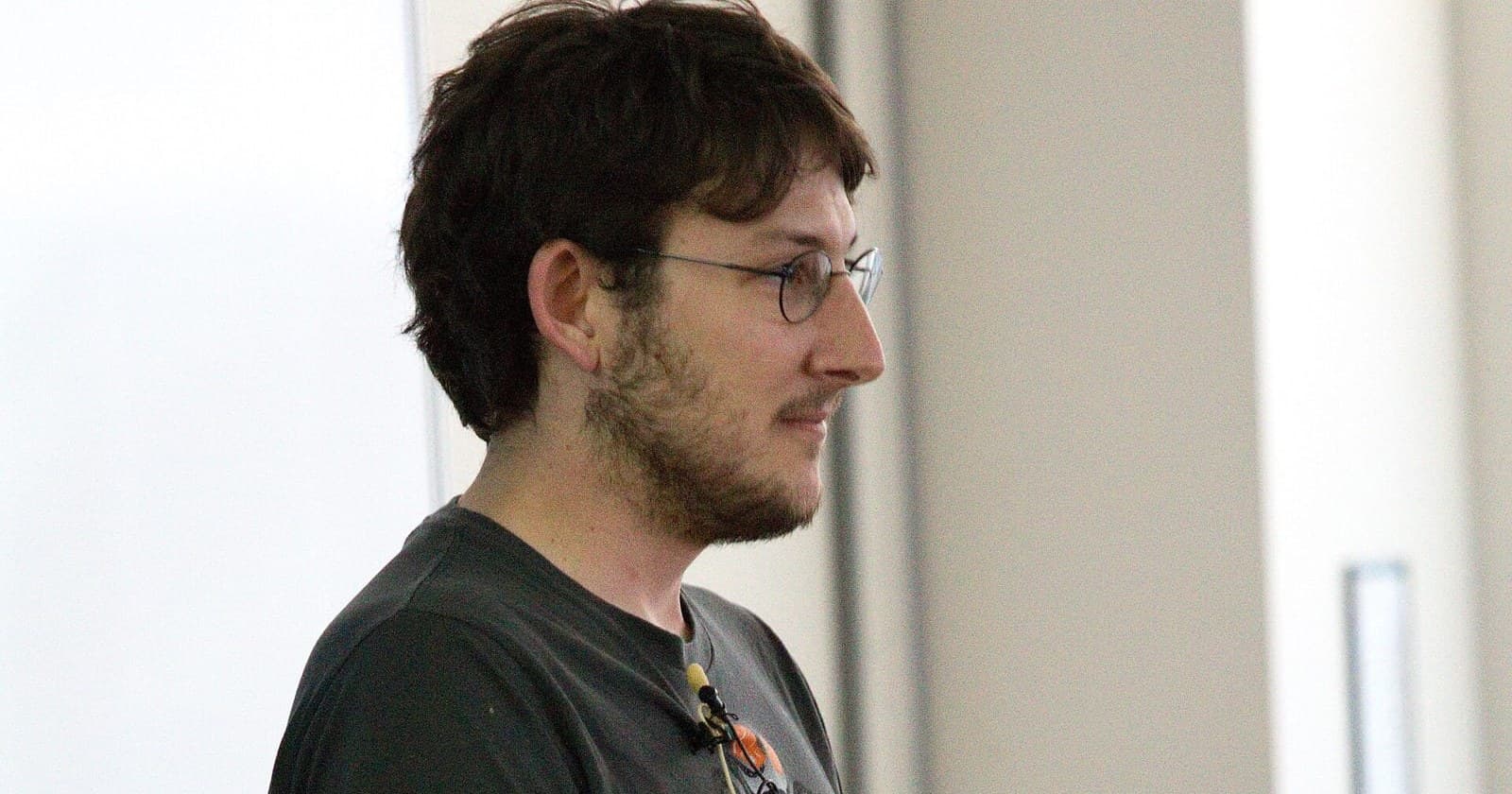
Cloudflare buys Deno, and Node.js creator Ryan Dahl moves his team to Workers
The Deno team is joining Cloudflare to make Workers easy to run on your own servers. The Deno runtime gets one more year of fixes, and Deno Deploy shuts down in six months.

Mercedes-AMG reveals the GT SUV, its first in-house electric SUV
Three axial flux motors, up to 1,153 hp and 710-kW charging: AMG built its first full-size SUV from scratch, and it plays a recorded V8 so it still sounds like an AMG.
More in brief
- Disney plans $180 million for Character.AI's team as the startup goes bankruptOct 18
- DeepSeek's V4.1-Flash-1017 update scores higher and cuts the cost per taskOct 17
- Waymo is bringing its robotaxis to Toronto, with first rides planned for 2028Oct 17
- UK regulator moves to put Microsoft's business software under special rulesOct 17
- Verizon will charge $10 a month for iPhone Handoff, double T-Mobile's priceOct 17
- Anthropic's AI agents now outwork its staff 6 to 1, and junior hiring fellOct 17