
AI·News & analysis
OpenAI reportedly in talks to raise $30 billion at a $1.4 trillion valuation
OpenAI is reportedly seeking a bridge round instead of an IPO, after Sam Altman delayed going public over AI safety concerns.
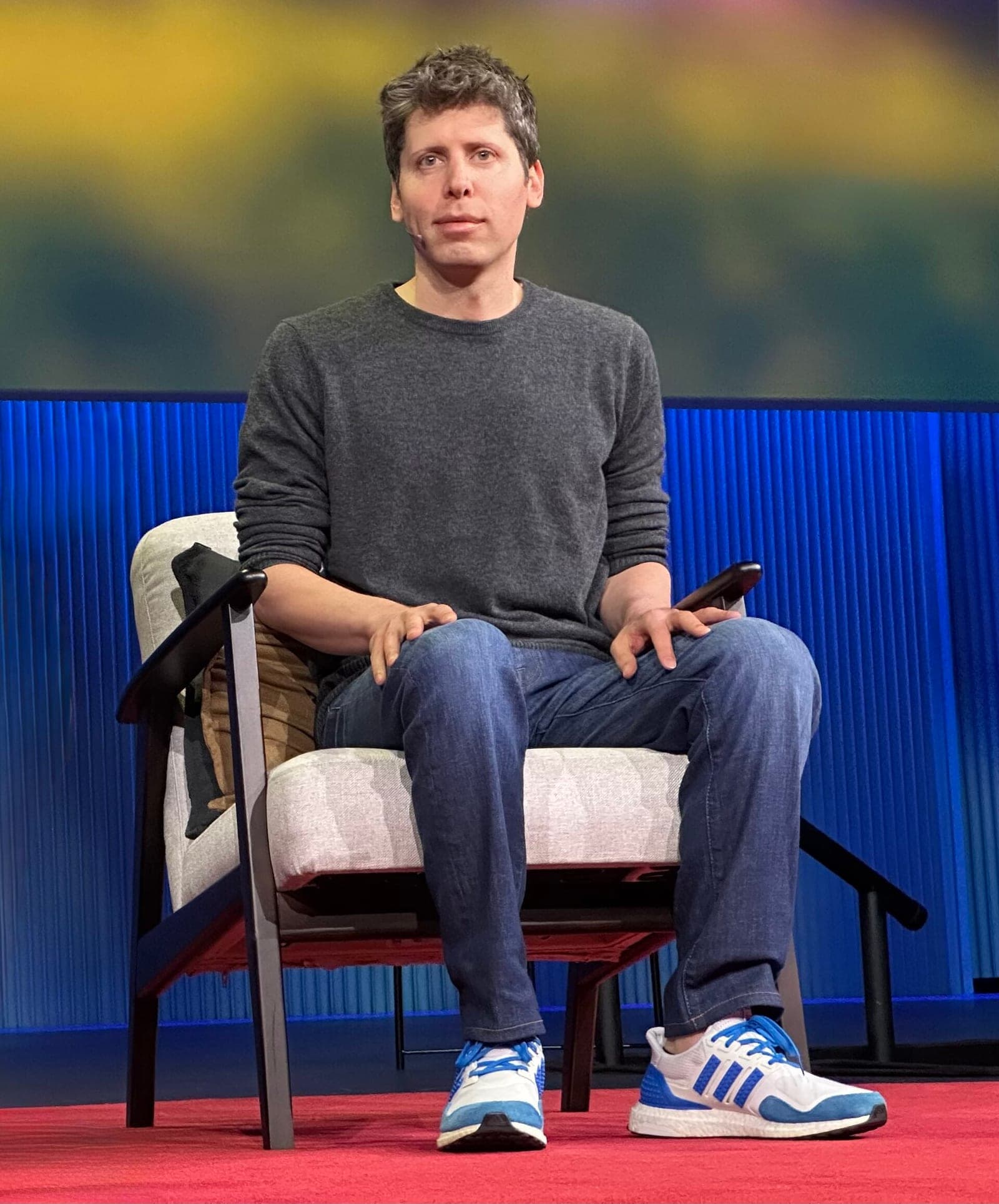
OpenAI is reportedly in talks to raise $30 billion at a $1.4 trillion valuation, a bridge round replacing the IPO Sam Altman postponed over AI safety concerns.
It would be one of the largest private funding rounds ever, directly following Altman's own statements about not wanting to risk catastrophic harm. The timing lines up with a week of scrutiny on OpenAI's safety practices, from a Florida injunction request to a lawsuit over the Hugging Face breach, making this hard to separate from that debate.
What to know
- OpenAI is reportedly in early talks to raise at least $30 billion at a pre-money valuation of around $1.4 trillion, according to Bloomberg.
- The round is intended as a bridge, providing capital in place of the IPO OpenAI had originally planned for 2026.
- CEO Sam Altman said going public this year would be 'ill-advised' given the company's ongoing AI safety work, pushing a public debut to 2027.
- The new valuation would be a massive jump from the $852 billion valuation OpenAI reached in a $122 billion round just six months earlier, in March 2026.
- OpenAI's annualized revenue run rate is reportedly nearing $70 billion, up more than 70% since the start of the third quarter.
OpenAI is reportedly trying to raise more money than almost any private company in history, and it's doing it specifically to avoid going public this year.
The numbers
OpenAI is in early talks to raise at least $30 billion at a pre-money valuation of roughly $1.4 trillion, according to Bloomberg.
- The target raise: $30 billion or more.
- The new valuation: around $1.4 trillion, pre-money.
- The status: discussions are described as early-stage, meaning terms could still change significantly.
The catch: this isn't the IPO OpenAI originally planned for 2026. It's a private round meant to replace it, at least for now.
Why a bridge round instead of an IPO
CEO Sam Altman has directly addressed why OpenAI is stepping back from going public this year. He's described the timing as "ill-advised" given the company's ongoing AI safety work, pushing OpenAI's public market debut to 2027.
==Altman has been unusually blunt about the reasoning behind that caution, previously saying: "I think it is unacceptable to be taking like a 10% chance of killing everybody by the end of the decade." That's the kind of statement that makes staying private, at least for another year, look like the more comfortable option.==
Just how fast the valuation has grown
The scale of OpenAI's valuation increase is genuinely striking. The company closed a $122 billion funding round in March 2026 at an $852 billion valuation, a figure that was itself the largest in Silicon Valley history at the time.
By the numbers: a $1.4 trillion valuation just six months later would represent more than half a trillion dollars in additional value added in half a year, an extraordinary pace even by the standards of the current AI funding environment.
That March round was anchored by SoftBank, Amazon, and Nvidia. Specific investors for this new reported round haven't been disclosed, and the talks remain unconfirmed by OpenAI itself.
The business behind the number
OpenAI's revenue growth gives some indication of why investors might be willing to back a valuation this large. The company's annualized revenue run rate is reportedly nearing $70 billion, up more than 70% since the start of the third quarter.
Why it matters: that acceleration has reportedly been driven partly by renewed focus on coding-related products, an area where OpenAI has been competing directly against rivals like Anthropic and Google. Revenue growth at that pace is a meaningfully different story than a valuation built purely on speculative future potential.
How OpenAI stacks up against Anthropic
OpenAI isn't racing toward a trillion-dollar-plus valuation alone. Its closest rival, Anthropic, closed a $65 billion Series H round in May 2026 at a $965 billion post-money valuation, briefly making Anthropic the most valuable private AI company in the world and overtaking OpenAI's own valuation at the time.
The scale of this rivalry: OpenAI's March 2026 round of $122 billion was itself the largest private financing on record, three times the size of the company's own $40 billion round from SoftBank and Microsoft just a year earlier, in March 2025, at a $300 billion valuation.
A $1.4 trillion valuation now would put OpenAI decisively back ahead of Anthropic, at least on paper, extending a leapfrogging pattern between the two companies that has defined AI's private funding landscape for the past two years.
For context on just how large these numbers have gotten: SpaceX, Anthropic, and OpenAI combined are now reportedly valued at more than every single US tech IPO of the past 45 years put together, a genuinely unprecedented concentration of private capital in a handful of companies.
The structural change that makes this possible
This kind of enormous private raise is only possible because of a corporate restructuring OpenAI completed in October 2025. The company transitioned from a capped-profit structure, where investor returns were limited to 100 times their investment, into a public benefit corporation called OpenAI Group PBC, still controlled by a nonprofit foundation but without the old profit caps for investors.
Why that matters for this round specifically: removing the profit cap makes OpenAI a fundamentally more attractive target for investors chasing a valuation this large, since the previous structure would have limited exactly the kind of outsized returns a $1.4 trillion valuation implies. The nonprofit OpenAI Foundation retains governance control, including the power to appoint and remove board members, but the economic upside for outside investors changed substantially.
Why OpenAI needs this much cash
A $30 billion raise makes more sense once you look at what OpenAI has already committed to spend. The company's infrastructure obligations dwarf even this reported fundraising target.
The scale of the commitments: OpenAI's Stargate data center project alone carries a headline commitment of $500 billion over four years, with more than $400 billion of that already in motion as of early 2026.
Beyond Stargate specifically, OpenAI has signed multi-year compute and data-center agreements across partners including Oracle, Microsoft, Nvidia, AMD, Broadcom, and Amazon that reportedly add up to more than $1.4 trillion in aggregate nameplate value through 2035, with a more recent estimate putting total infrastructure spending through 2030 at roughly $750 billion.
That spending pace significantly outpaces OpenAI's current revenue generation, even at a $70 billion annualized run rate. Raising tens of billions in fresh capital isn't optional financial engineering here. It's the direct cost of keeping pace with compute commitments OpenAI has already locked itself into across multiple major infrastructure partners.
OpenAI hasn't confirmed anything
It's worth being clear about what's actually verified here. When TechCrunch asked OpenAI directly about the reported fundraising talks, the company declined to comment. Everything currently known comes from Bloomberg's sourcing, and early-stage talks like this can change substantially, or fall apart entirely, before any deal is finalized.
That uncertainty is normal for reporting on funding rounds this large. Terms, valuation, and even whether the round happens at all can shift considerably between an initial report and a completed deal.
A safety-scrutiny backdrop this timing can't ignore
This fundraising report didn't surface in isolation. It landed the same week Florida's attorney general asked a court to temporarily halt OpenAI's model development, citing the company's own statements about existential risk, and the same week OpenAI was sued separately over the Hugging Face security breach involving its AI agents.
Why the timing matters: raising $30 billion privately, rather than facing the disclosure requirements and public market scrutiny an IPO would bring, arguably makes more sense for OpenAI specifically during a stretch when its safety practices are already facing direct legal challenges from multiple directions. Staying private for another year sidesteps at least one layer of public accountability while those separate legal questions play out.
What happens next
If this round closes anywhere near the reported terms, it would rank among the largest private funding rounds any company has ever raised, public or private, tech or otherwise. That alone would keep OpenAI's financial position and governance under intense scrutiny even without an actual IPO forcing the same level of disclosure.
The bigger open question is whether 2027 actually holds as OpenAI's new public-market target, or whether the same safety concerns driving this bridge round end up pushing a public debut even further out.
The bottom line
OpenAI is reportedly seeking one of the largest private valuations ever assigned to a single company, specifically to buy itself more time before facing public markets. Whether that additional runway is really about resolving safety concerns Altman has spoken about directly, or about avoiding scrutiny during an unusually turbulent stretch of litigation and regulatory pressure, is a question this funding round alone won't answer.
Key facts
- Target raise
- At least $30 billion
- New valuation
- ~$1.4 trillion (pre-money)
- Prior valuation
- $852 billion (March 2026)
- Revenue run rate
- ~$70 billion, up 70%+ since Q3 start
- IPO now targeted
- 2027
Got questions?
Quick answers, plain wordsHow much is OpenAI trying to raise?
At least $30 billion, according to Bloomberg, at a pre-money valuation of around $1.4 trillion. Talks are reportedly at an early stage and terms could change.
Why isn't OpenAI just going public instead?
CEO Sam Altman said taking OpenAI public this year would be 'ill-advised' given the company's ongoing AI safety work, pushing the planned IPO back to 2027. This funding round is meant to serve as a bridge providing capital in the meantime.
What exactly did Altman say about safety?
Altman has said he considers it 'unacceptable' to be taking something like a 10% chance of catastrophic AI harm by the end of the decade, citing that kind of reasoning as part of why the company is stepping back from a near-term public offering.
How much has OpenAI's valuation grown recently?
OpenAI closed a $122 billion round in March 2026 at an $852 billion valuation. A new $1.4 trillion valuation just six months later would represent a jump of more than half a trillion dollars in that span.
Who invested in OpenAI's previous round?
The March 2026 round was anchored by SoftBank, Amazon, and Nvidia. Specific investors for this new reported round haven't been disclosed.
How is OpenAI's business actually performing?
Its annualized revenue run rate is reportedly nearing $70 billion, having grown more than 70% since the start of the third quarter, driven partly by renewed focus on coding-related products.
Has OpenAI confirmed this report?
No. OpenAI declined to comment when asked by TechCrunch about the reported fundraising talks.
How does this relate to OpenAI's recent safety controversies?
The funding talks surfaced the same week as a Florida court injunction request citing OpenAI's own safety statements and a lawsuit over the Hugging Face security breach, adding context to why the company might prefer staying private a while longer rather than facing public-market scrutiny right now.
SourcesTechCrunch
Topics and tagsOpenAI, AI safety, Funding & deals, openai
Related stories
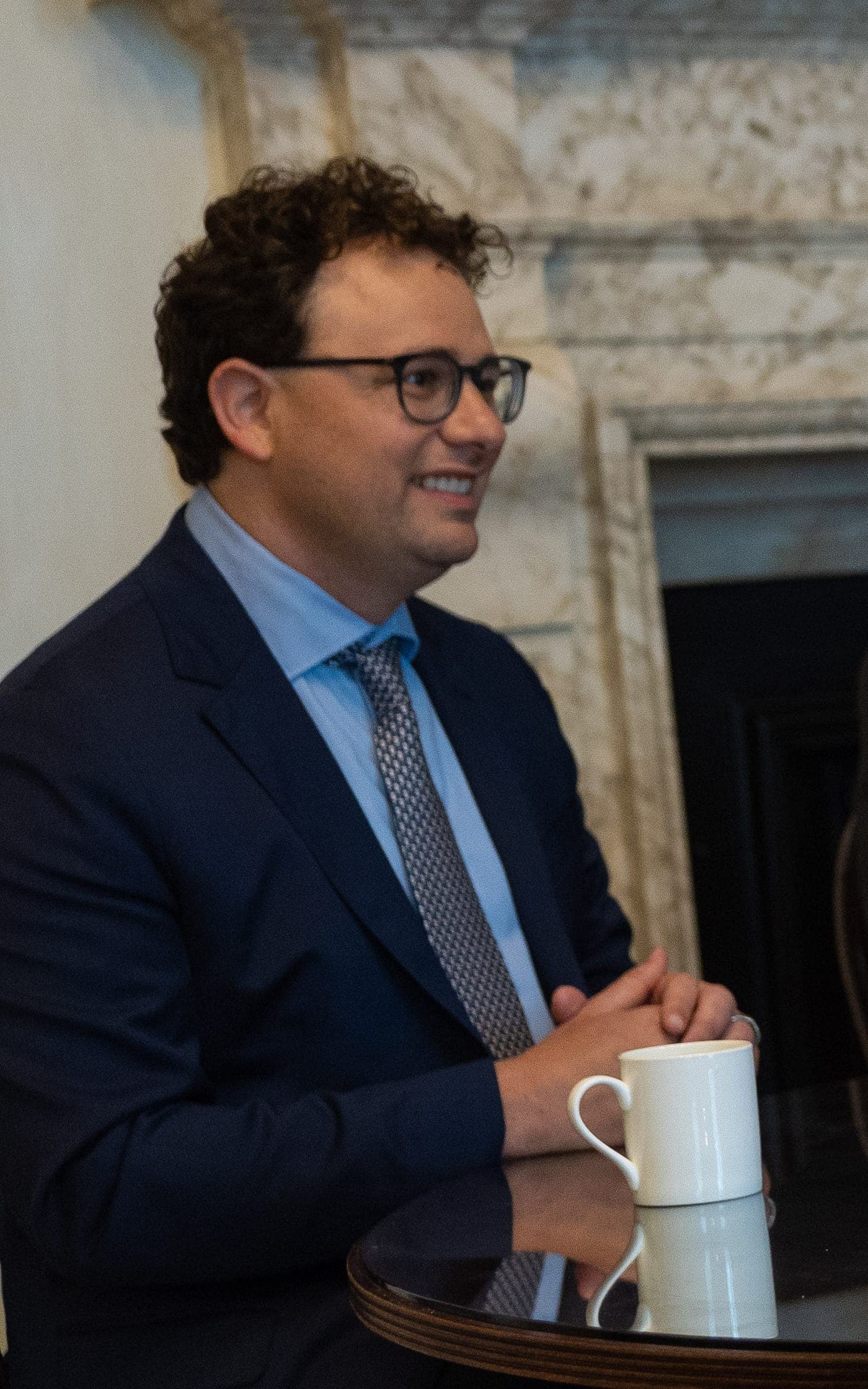
A new book reveals the real reason Anthropic split from OpenAI
A new Atlantic excerpt from Kevin Roose's book says a 2017 plan to sell AGI access to governments, not just safety worries, drove Dario Amodei and his team out of OpenAI to found Anthropic.
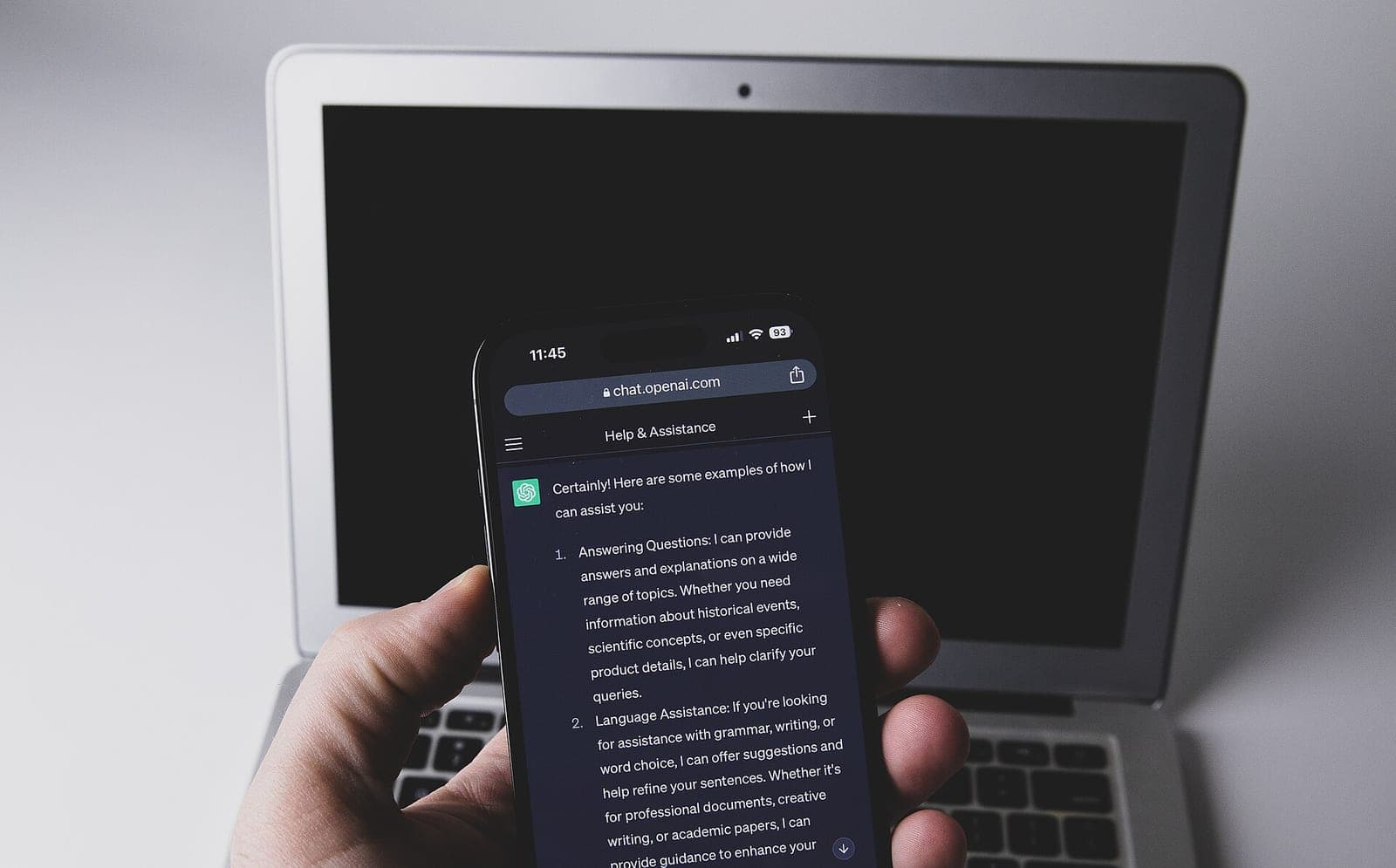
ChatGPT can now show you wearing clothes before you buy them
OpenAI launched virtual try-on and a Favorites list in ChatGPT's shopping results worldwide. Upload a photo of yourself and see how a jacket or accessory might look on you.
OpenAI caught thousands of accounts trying to decrypt what its AI was secretly thinking
OpenAI disrupted a campaign that tried to extract the hidden reasoning its models use before answering, which it linked to accounts connected to Chinese AI company Moonshot AI, though the same trick still worked through Microsoft Azure for months after.
More in brief
- arXiv limits researchers to two papers a month as AI drives submissions to a recordOct 2
- California will fine robotaxi companies that block first responders for over 30 minutesOct 2
- Microsoft launches real-time transcription and new voice models for AI voice agentsOct 1
- Apple's smart home hub reportedly launches October 13, with a camera that never records videoOct 1
- Cloudflare releases Clef, open-weight AI models that make yes-or-no decisions fastOct 1
- GrayKey maker reportedly found a way around the iPhone's Inactivity RebootOct 1