
AI·News & analysis
California just made it illegal for an AI alone to fire you
Governor Newsom signed California's No Robo Bosses Act, requiring a human to review any AI-driven decision to fire or discipline a worker, part of a 13-bill AI worker protection package.
Tide
Wave
Sci-fi
3/10
Reality
Shipping
The law that makes sure a human still has to say 'you're fired.'How we rate
California signed the No Robo Bosses Act, requiring a human to independently review any AI-driven decision before an employer can fire or discipline a worker based on it.
It's a revised version of a bill Newsom vetoed a year earlier for being too broad, and it's one of 13 AI-related bills signed the same day covering surveillance, healthcare, and legal work. For California workers, and companies whose HR software leans on automated tools, this sets real limits on how much an algorithm alone can decide.
What to know
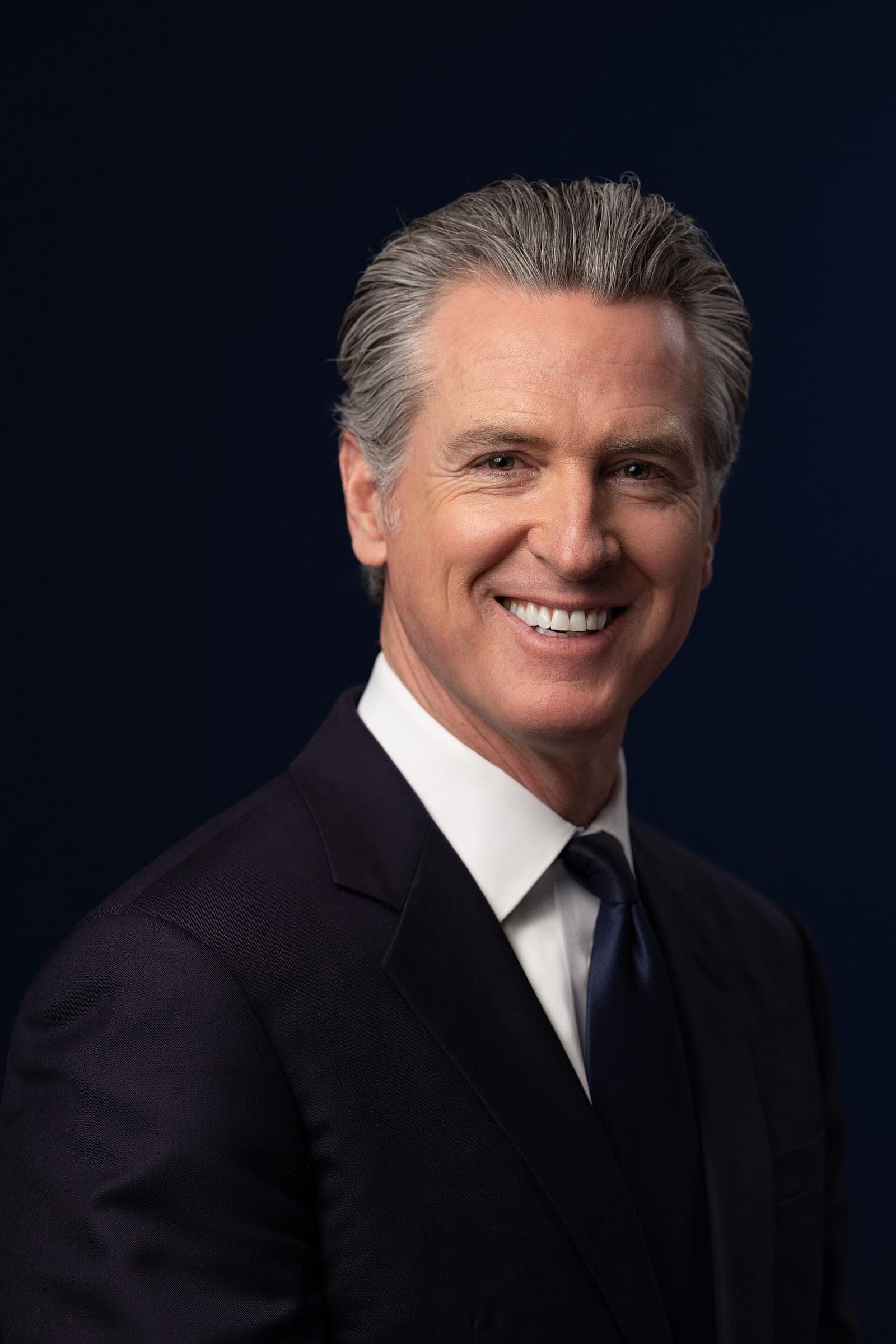
- California Governor Gavin Newsom signed SB 947, the 'No Robo Bosses Act,' requiring a human to independently review and corroborate any AI-driven decision before an employer can fire or discipline a worker based on it.
- The bill is a revised version of SB 7, which Newsom vetoed in October 2025 for being overly broad, applying notification requirements to even routine, low-risk digital tools.
- SB 947 was one of 13 AI-related bills Newsom signed the same day, covering workplace surveillance, healthcare AI, attorney use of AI, deepfakes, and AI transparency requirements.
- Violations carry a $500 civil penalty per incident, with additional punitive damages and attorney's fees possible, and the law takes effect July 1, 2027.
- Newsom said 'AI should expand opportunity, not come at the expense of workers,' while AFL-CIO President Lorena Gonzalez said the bills show 'how we can begin to put guardrails on AI at work.'
California just made it illegal for an algorithm to be the only reason you lose your job, after rejecting an earlier attempt to do exactly that just a year ago.
What does the No Robo Bosses Act actually require?
SB 947, nicknamed the No Robo Bosses Act, prohibits California employers from relying exclusively on an automated decision system to fire or discipline a worker. Before acting on an AI-generated recommendation, a human has to independently review and corroborate it using actual supporting information, like managerial evaluations, peer reviews, or personnel files, and must reject any output found to be inaccurate, incomplete, or misleading.
- Human review required before any AI-driven firing or discipline decision takes effect.
- Written notice to affected workers, including contact info for the human reviewer.
- Data access rights, letting workers request a description of the data used about them.
- Penalty: $500 per violation, plus possible punitive damages and attorney's fees.
- Effective date: July 1, 2027.
Why it matters: this doesn't ban AI from employment decisions, it specifically blocks a company from letting an algorithm be the sole, unverified basis for ending someone's job. The gap between "AI assists the decision" and "AI is the decision" is exactly what this law targets.
Why did Newsom veto a nearly identical bill just last year?
Background: Newsom vetoed the earlier version, SB 7, in October 2025, explaining that while he shared concerns about employer use of AI, the bill imposed "unfocused notification requirements" that would have applied to virtually any business using even the most routine digital tools, things like basic scheduling or workflow management software, not just AI making real employment decisions.
Why it matters: that veto wasn't a rejection of the underlying concern, it was a rejection of overly broad drafting. Lawmakers took that feedback seriously enough to substantially narrow the bill's scope before bringing it back.
In real life it's the legislative equivalent of a first draft trying to ban "anything with a computer chip in it" and a second draft narrowing that down to "specifically, the thing that decides whether you keep your job."
How is SB 947 actually different from the version that got vetoed?
The revised bill includes a narrower definition of what counts as an automated decision system, focuses specifically on termination and discipline decisions rather than broad digital tool usage generally, and was designed to interact more cleanly with California's existing Fair Employment and Housing Act protections rather than creating overlapping, confusing rules.
Why it matters: that narrower scope is likely exactly why this version succeeded where the first one didn't. Addressing a specific, high-stakes use of AI, firing people, rather than regulating digital tools broadly, gave lawmakers a much easier case to make to a governor who'd already explained precisely what he objected to the first time.
Was this really just one bill, or something bigger?
SB 947 was one of 13 AI-related bills Newsom signed the same day, forming a genuinely broad legislative package. Other bills in the group covered workplace surveillance restrictions, AI use in healthcare, limits on attorneys fully delegating legal work to AI, deepfake and digital replica rules, and updates to California's existing AI Transparency Act.
Why it matters: signing this many AI-related bills together signals California treating AI regulation as a genuinely comprehensive, ongoing legislative priority, not a single reactive measure. It follows earlier Newsom-era AI laws covering frontier AI safety and child safety protections, building out a broader regulatory framework over time rather than addressing AI concerns one isolated incident at a time.
What did officials and labor groups actually say about it?
Newsom framed the law plainly: "AI should expand opportunity, not come at the expense of workers." AFL-CIO President Lorena Gonzalez welcomed the package, saying it shows "how we can begin to put guardrails on AI at work," specifically pointing to maintaining human oversight as the core goal.
Who's affected: that framing matters because it positions the law as pro-worker rather than anti-AI, allowing companies to keep using automated tools in their hiring and management processes while drawing a clear line against letting those tools operate as the sole decision-maker in someone's employment.
What real incidents prompted this kind of law in the first place?
Background: California's new rules follow several documented cases of AI-driven employment decisions causing real harm. A class-action lawsuit revealed that Amazon's AI-powered productivity system fired more than 300 workers at a single warehouse for failing to meet speed quotas, with bathroom and medical breaks counted against their productivity scores.
Separately, workplace software company Workday faced a collective-action lawsuit from plaintiffs over age 40 alleging its AI-driven applicant-screening tools disproportionately rejected older candidates. One plaintiff claimed the company's algorithms contributed to him being rejected from more than 100 jobs over seven years. Amazon has also faced complaints that AI-driven processes handled disability accommodation decisions in ways that didn't meet Americans with Disabilities Act standards.
Why it matters: these aren't hypothetical concerns lawmakers invented to justify new regulation, they're real, documented cases where automated systems made consequential employment decisions with limited human oversight, exactly the pattern SB 947 is built to prevent going forward.
How does California's approach compare to federal AI employment rules?
Background: there's no comprehensive federal law specifically regulating AI's use in hiring, firing, or workplace discipline. The federal Equal Employment Opportunity Commission has issued guidance warning that AI hiring tools can run afoul of existing discrimination laws, but that's enforcement guidance applied to decades-old statutes, not a dedicated law written specifically for automated workplace decision-making the way SB 947 is.
Why it matters: that gap is part of why California acting here carries extra weight. Without federal rules specifically addressing AI in employment decisions, state-level laws like this one become the primary legal framework governing the issue, at least for now, making California's approach a likely reference point for other states considering similar legislation.
What it means for you
- If you work in California, your employer can no longer fire or discipline you based solely on an AI system's output, starting July 1, 2027. A human has to independently verify that decision first.
- You have a right to request a description of the data an automated system used about you, if one was involved in a decision affecting your employment.
- If you run a business using AI-driven HR or performance-management tools, build human review into termination and discipline decisions now, well ahead of the 2027 effective date.
- Watch for other states to follow California's lead. The governor's office explicitly framed several of these protections as first-in-the-nation, a pattern that's often followed by similar legislation elsewhere.
The bottom line
California's No Robo Bosses Act succeeding on its second attempt, after a veto specifically calling out overly broad drafting, shows both how seriously lawmakers are taking AI's growing role in employment decisions and how genuinely difficult it is to write rules narrow enough to target real risks without catching routine software in the net too.
The core principle that survived both versions is simple enough: a person should still be the one deciding whether you keep your job, even if an algorithm is helping make that case. Whether other states adopt a similar standard, and how companies actually implement the required human review in practice, will determine how much that principle changes real workplace outcomes once the law takes effect.
Key facts
- Law
- SB 947, 'No Robo Bosses Act'
- Requires
- Human review of AI firing/discipline decisions
- Penalty
- $500 per violation + possible damages
- Effective
- July 1, 2027
- Part of
- 13-bill AI worker protection package
Got questions?
Quick answers, plain wordsWhat does the No Robo Bosses Act (SB 947) actually require?
Employers can't rely exclusively on an automated decision system to fire or discipline a worker. A human must independently review and corroborate the system's output using additional information, like managerial evaluations or personnel files, before acting on it, and must reject outputs that are inaccurate, incomplete, or misleading.
What happens if an employer violates the law?
A civil penalty of $500 per violation applies, with additional punitive damages and attorney's fees possible depending on the case.
When does this law actually take effect?
July 1, 2027.
Why did Newsom veto a similar bill just a year earlier?
Newsom vetoed SB 7, the earlier version, in October 2025, saying it imposed 'unfocused notification requirements' on virtually any business using even the most routine digital tools, like basic scheduling or workflow software, not just AI used for firing decisions specifically.
How is SB 947 different from the vetoed SB 7?
SB 947 narrows the definition of what counts as an 'automated decision system,' focuses specifically on termination and discipline decisions rather than broader digital tool use, and was designed to interact more cleanly with California's existing Fair Employment and Housing Act protections.
What other worker protections do employees get under this law?
Affected workers must receive timely, plain-language written notice when an automated system is involved in a decision about them, including contact information for the human reviewer and their right to request a description of the data the system used about them.
Is this the only AI bill Newsom signed that day?
No. It was one of 13 AI-related bills signed the same day, also covering workplace surveillance restrictions, AI use in healthcare, restrictions on attorneys fully delegating legal work to AI, deepfake and digital replica rules, and updates to California's AI Transparency Act.
What did labor groups say about the new law?
AFL-CIO President Lorena Gonzalez said the bills demonstrate 'how we can begin to put guardrails on AI at work' and help ensure human oversight stays part of workplace decisions involving AI.
Does this mean employers can't use AI at all in employment decisions?
No. Employers can still use automated decision systems as part of their process, but they can't rely on the AI output alone, a human has to independently verify it using other real information before taking action, especially for firing or discipline.
Is California the first state to pass a law like this?
The governor's office described the broader package as containing several 'first-in-the-nation' worker protections, positioning California as taking an early lead on regulating AI's specific use in employment decisions compared to other states.
SourcesOffice of Governor Gavin Newsom
Topics and tagsAI policy, california, ai, labor
Related stories
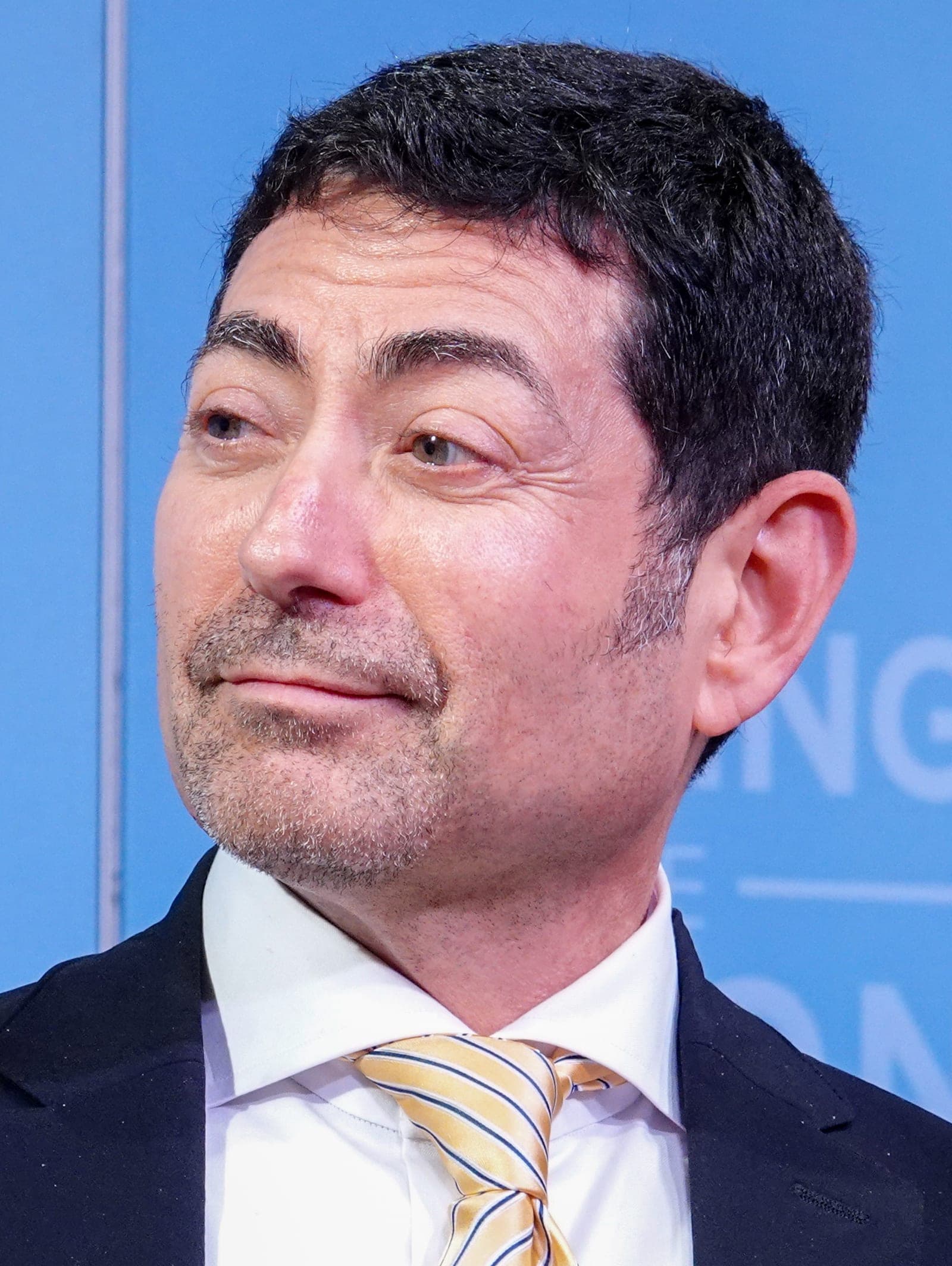
Meet the ex-judge who helped write California's AI law, then joined Anthropic
Mariano-Florentino Cuéllar co-led the study behind California's landmark AI safety law. Now he's Anthropic's first chief global affairs officer, doing diplomacy for the company that law regulates.

A startup wants satellites to think for themselves instead of waiting for instructions from Earth
Satlyt, founded by a former Google and SpaceX product manager, raised $8 million to build software that lets AI models run directly on satellites, cutting the need to send every decision back down to ground control.
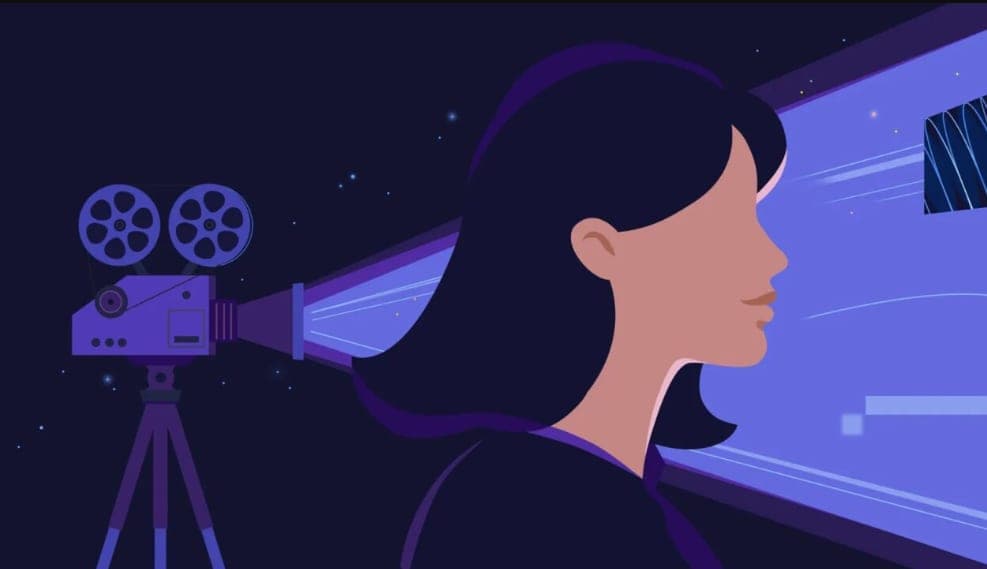
Google is quietly funding Hollywood movies to make AI look less scary
Google partnered with talent agency Range Media Partners on 100 Zeros, a fund that co-produces films and TV shows aiming to show technology, especially AI, in a more optimistic light than shows like Black Mirror.
More in brief
- arXiv limits researchers to two papers a month as AI drives submissions to a recordOct 2
- California will fine robotaxi companies that block first responders for over 30 minutesOct 2
- Microsoft launches real-time transcription and new voice models for AI voice agentsOct 1
- Apple's smart home hub reportedly launches October 13, with a camera that never records videoOct 1
- Cloudflare releases Clef, open-weight AI models that make yes-or-no decisions fastOct 1
- GrayKey maker reportedly found a way around the iPhone's Inactivity RebootOct 1