
AI·News & analysis
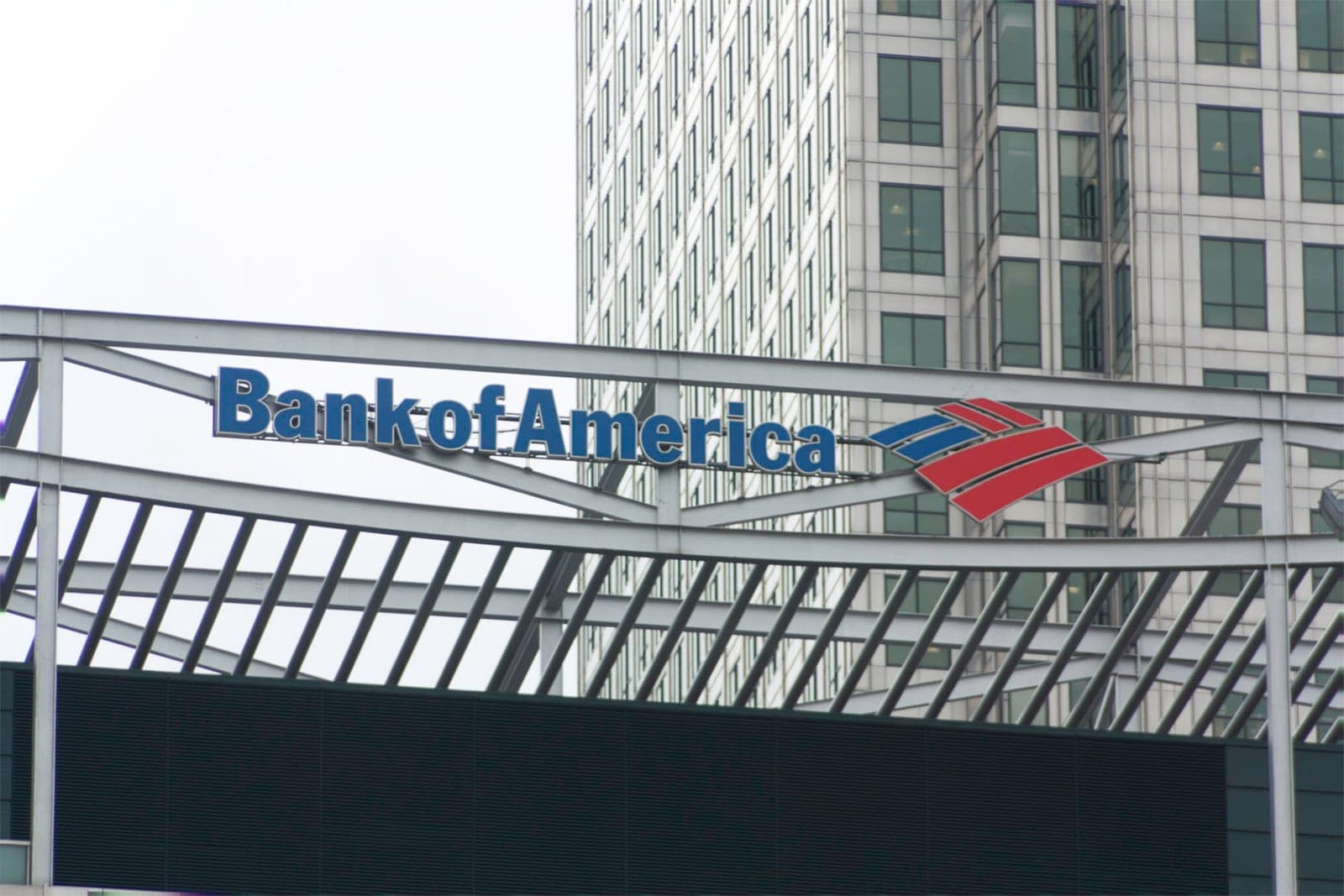
Bank of America hired 1,000 contractors to patch bugs that AI models found
CEO Brian Moynihan says the bank added 1,000 outside contractors in the second quarter to fix software flaws uncovered by AI models like Anthropic's Mythos, on top of 3,000 people already doing that work.
Tide
Ripple
Sci-fi
5/10
Reality
Shipping
An AI finds the holes so fast that people line up to fill them.How we rate
Bank of America CEO Brian Moynihan said the bank hired 1,000 outside contractors in the second quarter to patch software flaws exposed by AI models such as Anthropic's Mythos.
They joined about 3,000 people already doing that work. It is one of the first big US companies to say how many people AI-found bugs require. Moynihan expects the costs to fall over time, and the contractors won't be needed long term.
What to know
- Bank of America brought in 1,000 outside contractors in the second quarter to patch software flaws found by AI models, including Anthropic's Mythos.
- The contractors work alongside about 3,000 people the bank already had on that work, and they are still there today.
- CEO Brian Moynihan said patching and anti-money-laundering work together cost 'a couple of hundred million plus' in the third quarter, without a split between the two.
- Moynihan expects patching costs to come down over time as the first big wave of fixes is worked through.
Bank of America brought in 1,000 outside contractors to fix software flaws found by AI models like Anthropic's Mythos, CEO Brian Moynihan told CNBC on Wednesday, The Decoder and The Register report. Now the interesting question: what happens to a giant bank when an AI hands it a very long to-do list?
What exactly did Bank of America say?
Moynihan talked about it twice on Wednesday: on the bank's third-quarter earnings call with analysts, and in an interview with CNBC.
According to the quotes reported by CNBC, he called the risk from these models "real risk." When the "frontier-type models came out," he said, a lot of people at the bank sat down and asked how to get through the work quickly.
Their answer was more hands. Here is what he laid out:
- Contractors: 1,000 outside workers, hired in the second quarter of 2026.
- Existing team: about 3,000 people the bank already had in that area.
- Status today: the contractors are still at the bank, helping.
- The goal: patch the flaws quickly, before anyone else can use them.
That puts about 4,000 people on fixing software weak spots that AI helped find. The Decoder notes that Bank of America is one of the first major US companies to disclose a number like this.
First, what is Mythos?
Mythos is an AI model from Anthropic that is unusually good at one job: reading software and finding security holes in it. Think of it as a building inspector who can walk every floor of a skyscraper in an afternoon and leave a sticky note on every loose railing.
That skill cuts both ways. The same model that helps a defender find a hole could help an attacker use it. So in April 2026, Anthropic released Mythos only to selected partners through a program called Project Glasswing, and said the model had found thousands of serious vulnerabilities.
Earlier this month, Anthropic folded Glasswing into a bigger program with three access tiers. We covered that change in our story on Anthropic's expanded Cyber Verification Program. In that announcement, Anthropic said Glasswing partners found at least 129,000 verified vulnerabilities between April and July.
The Decoder points out that OpenAI followed in May with its own cybersecurity program, called Daybreak.
Why does finding bugs create so much work?
Finding a bug is the fast part. Fixing it is slow, careful work that takes real people and real time.
Each flaw has to be checked, ranked by how dangerous it is, fixed in code, tested so the fix doesn't break something else, and then rolled out. In a bank, that "something else" can be payments, ATMs or the app on your phone. Nobody wants a fix that stops paychecks from landing.
Why it matters: an AI can now produce findings faster than a normal security team can work through them. When the finding gets cheap, the fixing becomes the bottleneck, and that bottleneck is made of people.
The Register reports that the AI turned out to be highly effective, spotting complex vulnerabilities faster than humans, which led to a large influx of patches across the industry.
Not everyone sees it as superhuman, though. Mozilla's CTO Bobby Holley said in April, after Mythos found 271 flaws in Firefox 150, that his team had found no type of bug humans can find that the model couldn't. He also said they hadn't seen any bug that an elite human researcher couldn't have found.
In real life Imagine a home inspector who used to check one room a day suddenly checks your whole house in an hour and hands you 300 notes. The inspector is done. You now need a lot of plumbers.
How much is this costing?
Moynihan didn't give a clean number for the patching alone.
By the numbers: he said the bank spent "a couple of hundred million plus" in the third quarter. But that figure combines two things: the software remediation and new anti-money-laundering (AML) requirements. The Register notes he didn't say how much went to each.
The AML part comes from a separate matter. The Register reports that the bank agreed to a $1.21 billion settlement with the Treasury's Financial Crimes Enforcement Network, alongside a $750 million penalty from the Office of the Comptroller of the Currency and an $11.6 million settlement with the Office of Foreign Assets Control.
Those settlements weighed on the quarter. The Register reports a 17% drop in profit, and the bank's shares slid more than 8% on Wednesday morning.
Will this last forever?
Moynihan doesn't think so. He expects the patching costs to come down over time.
What's next: the first wave is the heavy one. When a new tool scans years of old code for the first time, it finds a big backlog all at once. After that, new code gets checked as it's written, so the pile should shrink.
The Register reports that the contractors remain for now, but that their help won't be needed in the longer term.
Is the bank also using AI itself?
Yes, and Moynihan was upbeat about it on the earnings call. According to The Register:
- Projects: the bank runs about 130 AI-related projects.
- Expected return: each is expected to return 2 to 3 times its cost over time.
- Engineering: its tech engineering workforce is about 10% more efficient.
- Benefits: $250 million to $300 million from AI in 2026, rising to $700 million by the end of 2027.
He didn't explain how those benefits are calculated.
The big picture: the same technology is now on both sides of the ledger. AI is helping the bank work faster, and AI is also finding the holes the bank has to pay people to fix.
Who else is dealing with this?
Plenty of companies. The Register says the concerns were shared around the world after Mythos arrived, partly because of how strong the model was said to be.
The Decoder adds that the mood shifted over time. Early warnings from the AI labs were dismissed by some critics as marketing. Then security incidents like the Hugging Face hack and independent tests confirming the models' abilities changed the conversation.
What Bank of America adds is a rare look at the size of the response. Most companies talk about AI security in general terms. Here, a CEO put a headcount on it.
What it means for you
- Your accounts: nothing in the reports says customer accounts were breached. This is about fixing weak spots before attackers find them.
- Updates matter more now: if banks need 4,000 people to keep up with AI-found bugs, the updates on your phone and laptop are worth installing promptly.
- Expect more of this: other big companies with lots of old software face the same backlog, so more patch-heavy months are likely.
- AI security is real work: the cost of AI isn't only the subscription. Sometimes it's the people you need to act on what it tells you.
The bottom line
Bank of America put a number on something many companies have been quietly dealing with since spring: AI models can find software flaws far faster than people can fix them. The bank's answer was 1,000 extra workers, and its CEO expects the cost to fall once the first big backlog is cleared.
Key facts
- Contractors added
- 1,000, starting in Q2 2026
- Existing staff on the work
- About 3,000
- Q3 cost (patching plus AML work)
- A couple of hundred million dollars plus
- AI projects running at the bank
- About 130
- Expected AI benefit in 2026
- $250 million to $300 million
Got questions?
Quick answers, plain wordsWhy did Bank of America hire 1,000 contractors?
To patch software vulnerabilities that advanced AI models, including Anthropic's Mythos, uncovered in its systems. CEO Brian Moynihan said the bank wanted to get through the work quickly, so it added outside help in the second quarter of 2026.
How many people are working on the fixes in total?
About 4,000. The 1,000 contractors joined roughly 3,000 people the bank already had working in that area, according to Moynihan.
What is Anthropic's Mythos?
Mythos is an AI model from Anthropic that is very good at finding security holes in software. Anthropic gave it only to selected partners in April 2026 through a program called Project Glasswing, because the same skill could help attackers.
How much did the patching cost Bank of America?
Moynihan said the bank spent 'a couple of hundred million plus' in the third quarter on the software remediation and on anti-money-laundering requirements combined. He did not give a separate figure for the patching alone.
Are the contractors still at the bank?
Yes. Moynihan said they remain at the bank today. The Register reports that their help is not expected to be needed in the longer term.
Does this mean my Bank of America account was at risk?
Nothing in the reports says customer accounts were breached. The work described is about finding and fixing weak spots before attackers can use them.
Is Bank of America the only company dealing with this?
No. The Register reports that the same concerns were shared globally after Mythos arrived. Mozilla, for example, said Mythos found 271 flaws in Firefox 150. Bank of America is one of the first big US companies to say how many people it has put on the problem.
Will patching costs keep growing?
Moynihan expects them to decline over time. The first wave of AI-found bugs is the big one, and the extra help is meant to clear that backlog.
Does Bank of America use AI itself?
Yes. Moynihan told analysts the bank runs about 130 AI-related projects and expects AI to deliver $250 million to $300 million in benefits in 2026, rising to $700 million by the end of 2027.
Can regular companies get access to Mythos?
Access is limited to vetted security teams. In October 2026 Anthropic folded Project Glasswing into a bigger Cyber Verification Program with three access tiers for approved defenders.
SourcesThe Register
Topics and tagsAnthropic, AI safety, Cybersecurity, anthropic
Related stories
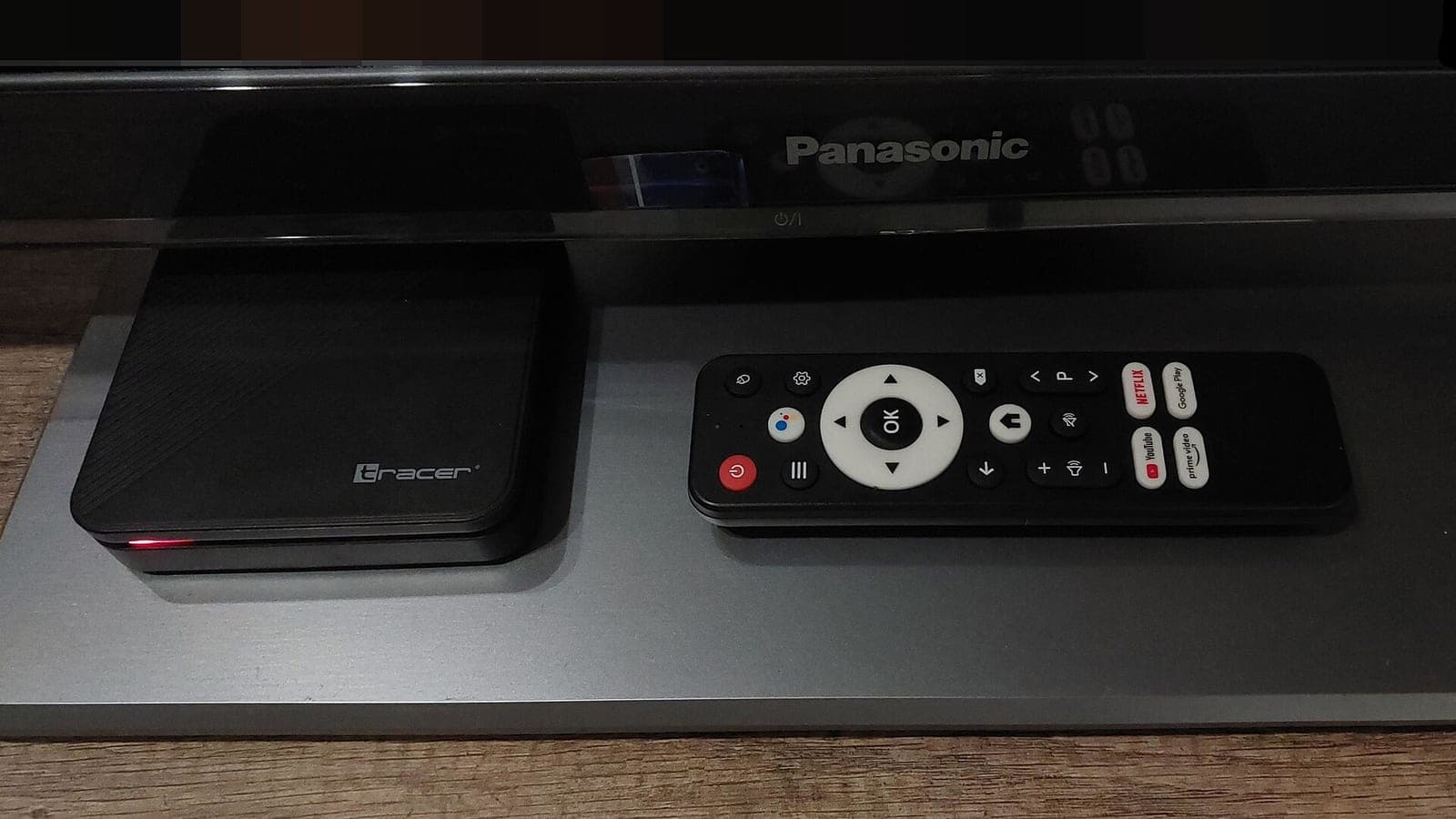
Anthropic says AI worms could soon spread through cheap smart TV boxes
Anthropic's Frontier Red Team ran a 26-billion-parameter AI model across 15 cheap Android TV boxes and found small models may be months away from copying themselves across home devices.
Anthropic opens its strongest hacking-capable AI to more security teams
Anthropic merged Project Glasswing into a bigger Cyber Verification Program with three access tiers, so more vetted defenders can use Claude Mythos 5.1 and Opus 5.5 with fewer cyber blocks.
Hinton, Bengio and 400 scientists want a global body to keep AI contained
An open letter signed by researchers from 34 countries asks AI labs to cut risky models off from the internet for now, and asks governments to create an international body that tracks every containment failure.
More in brief
- Microsoft takes down a phishing marketplace behind 1 billion scam messagesOct 15
- UK Legal Aid Agency hackers took records going back to 1978Oct 15
- United now lets you check if your flight has Starlink Wi-FiOct 15
- Agility picks Nyobolt batteries so Digit 5 can work 20 hours a dayOct 15
- iPhone Duo pre-orders open Friday at 5 a.m. PT, starting at $1,999Oct 15
- Citizen Lab says spyware rode in on online ads, no click neededOct 15